
Mold Remediation · Springfield

Mold Remediation in Springfield, MA

When water sits, mold follows. Our crew finds it, contains it, and clears it from your Springfield home, then dries the space so it stays gone.

Free Quote

Free Mold Remediation quote.

We reply within 1 business hour. No spam, ever.

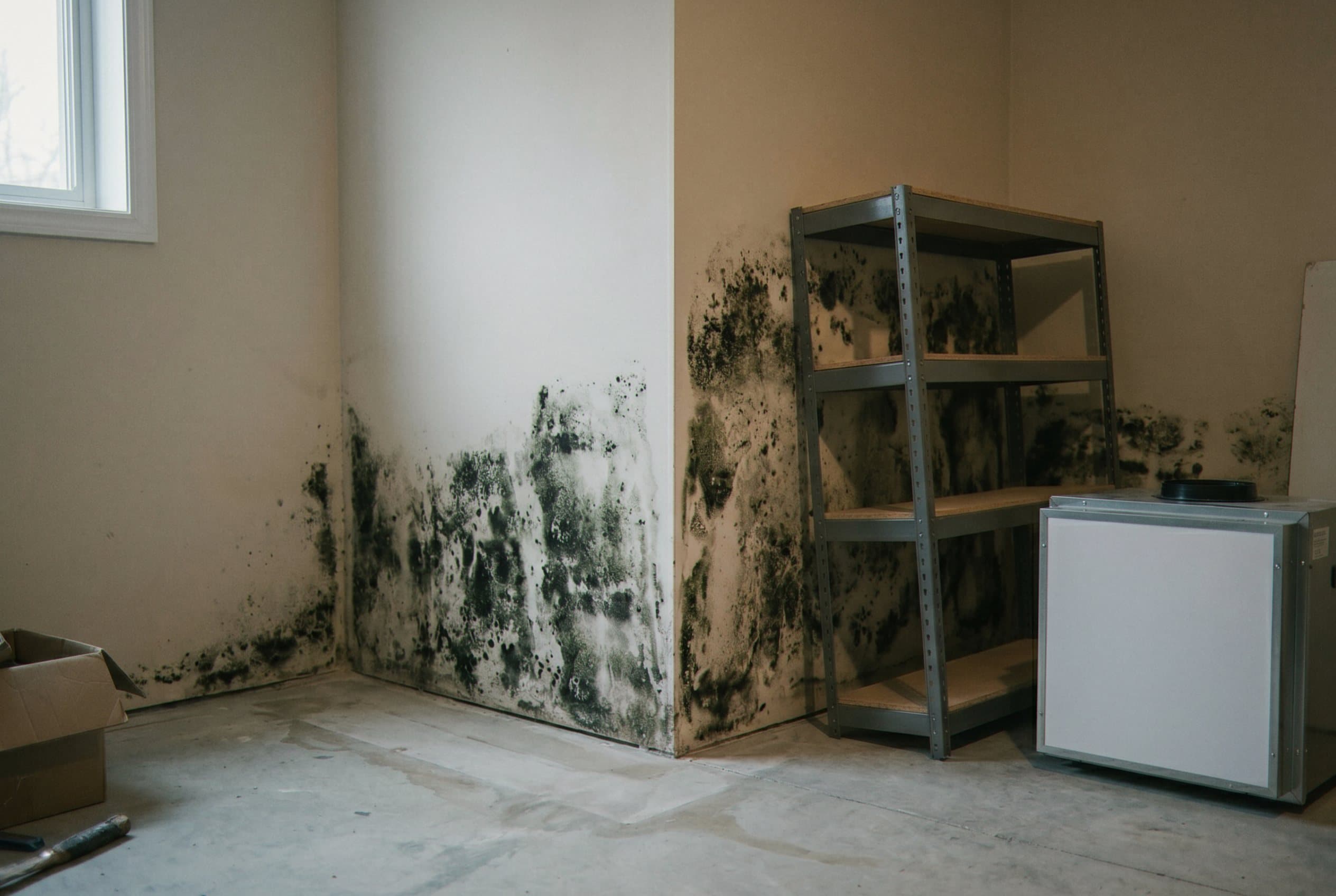
Mold growth on basement wall
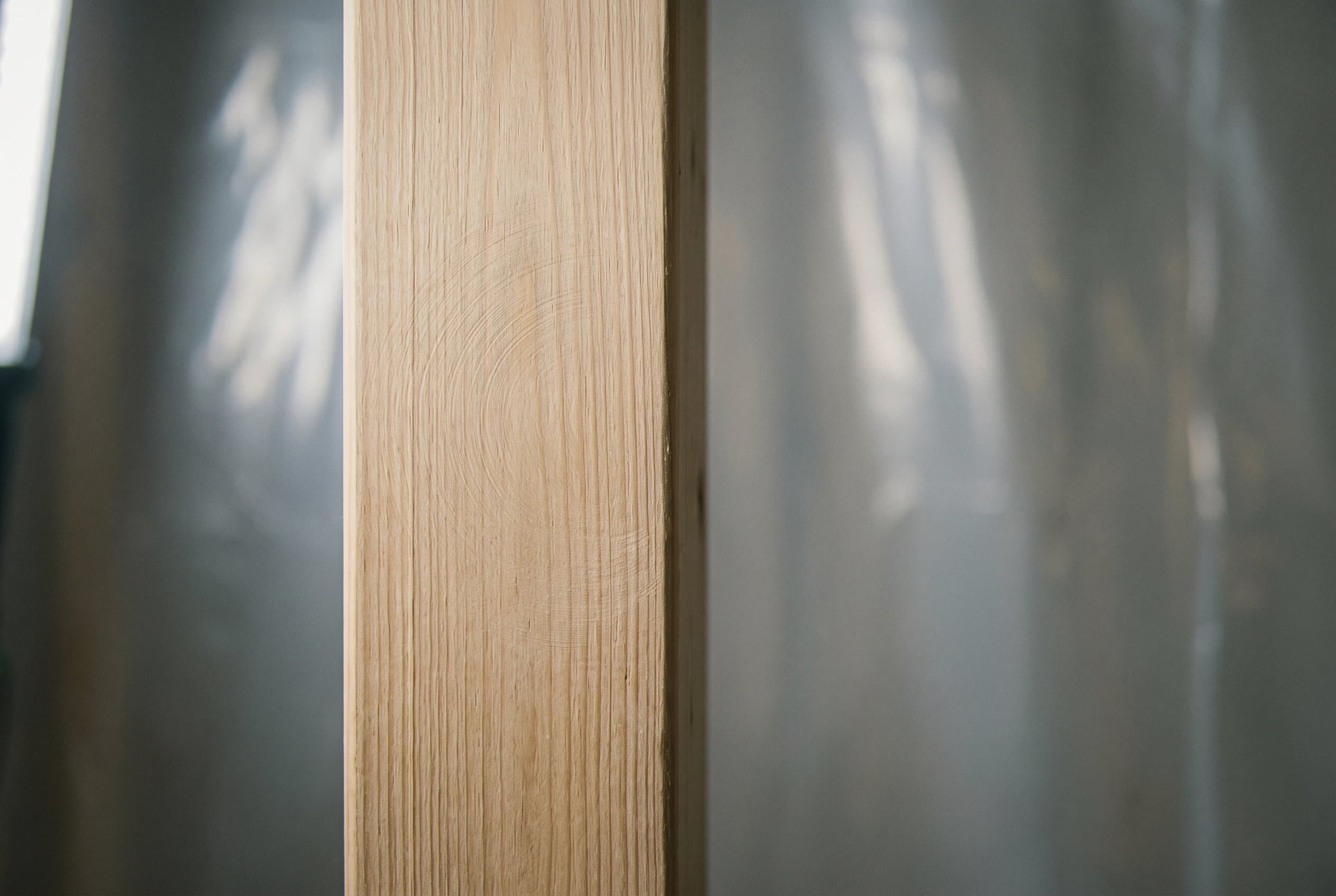
Mold infestation closeup
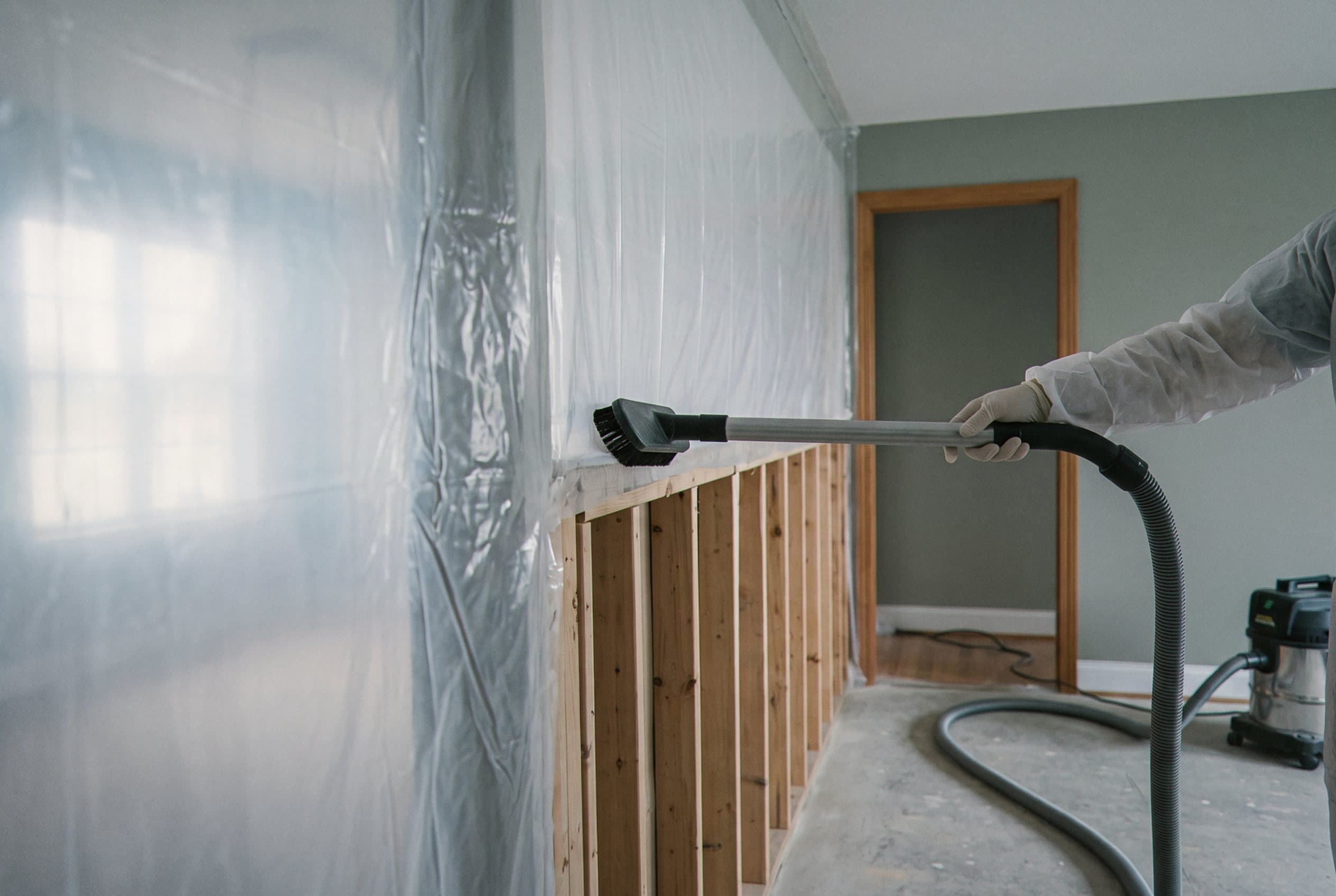
Containment and remediation equipment
What we do

Springfield mold removal done right, from the source

Mold takes hold fast after water damage. Time matters here. In a Springfield basement or behind a wall, spores can spread within a day or two of a leak, and they keep going as long as the area stays damp. We start by tracing where the moisture came from, because clearing visible mold means little if the wet source stays open. Our crew checks the spots water loves to hide: under flooring, inside wall cavities, around basement sills, and behind finished trim. Mold loves the dark, so we bring strong light to the corners most people never check. A small spot near a floor drain can hide a much bigger patch inside the wall. We measure moisture in the framing and the drywall, so we know how far the problem really reaches. We also look for the staining and the musty smell that point to growth you cannot see yet, because the sooner we catch it, the less we have to tear out and replace later. Then we lay out a plan you can follow without guesswork, step by step.

Once we map the affected area, we seal it off so spores do not drift into clean rooms while we work, and we set up containment sheeting and negative air pressure to keep the rest of your house safe. Soaked drywall and ruined insulation come out and get bagged on site. Surfaces we can save get treated and scrubbed back to sound condition, then checked again. We vacuum with filters built to trap fine spores. We follow the methods set by the IICRC and the cleanup guidance from the EPA. The work holds up. Air scrubbers run while we clear the space and pull loose spores out of the room. Before we close the walls back up, we confirm the surfaces are clean and dry. Through every step we tell you what we find, what we remove, and what comes next.

  • We trace and stop the water source first, so the mold does not just grow back after we leave.
  • Containment sheeting and negative air keep spores from spreading into the clean parts of your home.
  • We follow IICRC methods and EPA mold guidance, not the shortcuts that leave the problem half done.
  • We test the moisture in your framing and drywall, so we treat the full reach and not just what shows.
  • You get plain answers about what we remove, what we can save, and how long the cleanup will take.
Clearing mold without finding the water behind it is only a temporary fix. We handle both at once, so the same problem does not return next season.

Springfield winters push humidity and snowmelt into basements and crawl spaces, and that damp air keeps feeding mold long after the first leak has dried up and the obvious mess is gone. We see it in homes across Hampden County, from older places near the Connecticut River to newer builds in West Springfield, Chicopee, and Holyoke. The pattern repeats. After we clear the growth, we dry the structure with air movers and dehumidifiers, then watch the readings until the wood and drywall reach safe levels again. Did the trouble start with a burst pipe, a roof leak, or groundwater in a wet spring? We point you toward the fix. We work clean and protect your floors and your things. Call us, and we will walk your home, explain what we find, and get the work scheduled fast.

If you smell something musty, see dark patches creeping along a wall, or notice the air feels heavy in a downstairs room, do not wait. The longer mold sits, the more it spreads, so a quick call now saves you trouble later. Reach out to us today, and our Springfield crew will assess how far the mold has spread and start the cleanup right away.

Materials

The gear and cleaners we bring to a mold job

Mold work runs on two things, air control and containment. Most of what comes off our truck serves one of them. We hang plastic sheeting across the opening, build a zippered entry, and set a negative air machine with a HEPA filter, so the room sits under slight suction while the dirty air vents outside. Spores travel toward that exhaust instead of drifting down your hallway. Air scrubbers run inside the barrier the whole time we work. Our crew wears respirators, suits, and gloves for every hour of it. The hand tools stay simple. A moisture meter and a thermal camera show us where wet framing hides behind a finished wall, and a small scope lets us look inside a stud cavity through a hole the size of a quarter. That one trick saves a lot of drywall.

What we put on a surface depends on what the surface is made of. Drywall paper, batt insulation, ceiling tile, carpet pad, and the boxes stacked on a basement floor all hold growth deep inside, so those come out and go into sealed bags right at the wall. Framing lumber, block, and concrete are worth saving in nearly every case we see. We scrub those down, then follow with a HEPA vacuum pass that lifts whatever the brush knocked free. Where growth has worked into the grain of old wood, we may sand the face or use a soda blast to take that top layer off. An antimicrobial goes on last. It treats what is left on a clean surface, and it is not there to cover a stain or stand in for the scrubbing. Treating a soaked board does you no good at all. That is why the air movers and the dehumidifiers go in right behind us, and we read the meters each day until the numbers hold flat at a dry level.

  • Sealed containment with a zippered entry and negative air on the work zone.
  • HEPA filtered air scrubbers running from the first cut to the last wipe down.
  • Moisture meters, thermal imaging, and a scope to find wet framing behind walls.
  • HEPA vacuuming, then drying until the meters hold steady at a dry level.
What about the alternatives?

Your options for handling mold, compared

Search for mold advice and you will get everything from solid guidance to outright nonsense, often on the same page. Here is how each of the common paths actually plays out in a Springfield home, so you can pick one and move.

Have our crew remediate the whole area

We trace the water source and shut it down, seal the room, remove the material that cannot be saved, then clean and dry what stays. Before we close a wall back up we show you the moisture readings. This is the path that ends the problem instead of pressing pause on it.

Recommended

Get the leak fixed first, then call us

A smart move when water is still coming in. A plumber or a roofer stopping the flow makes our job smaller and cleaner, and it keeps you from paying twice for the same wall. Just do not let weeks slide by between the two calls, because the growth keeps spreading the entire time the wood stays damp.

Acceptable

Hire a separate company to test the air

Worth doing when you need a neutral report for a home sale, a dispute with a landlord, or a doctor asking what is in the air. Some people simply rest easier holding the paperwork. For visible growth after a leak you already know about, a test rarely changes what has to happen next.

Acceptable

Clean a small patch yourself

A spot smaller than a sheet of paper, sitting on tile or sealed block, is fair game for a homeowner with gloves and a mask. Anything on drywall, anything wider than that, or anything you cannot trace to a source belongs with us. The line is about what is under the growth, not the growth itself.

Acceptable

Spray bleach on the wall and wipe it down

Bleach lifts the color and leaves the room smelling like a swimming pool, which reads as progress. On porous material it never reaches the roots down in the board, and the water it carries feeds whatever survives. The patch tends to come back darker within a month or two.

Skip

Paint over the stain and forget it

A stain blocking primer hides the color for a few weeks. Underneath, the growth keeps feeding on the paper face of the drywall, the film starts to bubble, and now the wall is both worse off and harder to read. It also hides the trouble from the next buyer, which never ends well.

Skip
How it goes

From quote to walk-on, fast.

01

Your inquiry

Call or send the short form with what is going on at your place. A sentence or two is plenty for the first step.

02

We talk it through

We go over the situation on the phone, ask the questions that matter, and tell you what we would do next.

03

A clear plan

You get a plain-language rundown of the work, the order it happens in, and what to expect on the day.

04

The work gets done

Our crew shows up when we said, does the job, and walks you through the result before leaving.

Before you book

What Springfield homeowners ask us about mold

These questions come up on nearly every mold call we take. Here are plain answers with nothing dressed up.

Do I need a mold test before you start?
Usually not. If you can see the growth and you know where the water came from, a test mostly confirms what is already in front of you, and that budget does more good going into the removal. Testing does earn its keep in a few spots. A buyer or a seller wants a neutral report, a doctor is asking what someone in the house is breathing, or we find staining with no source we can trace. We will tell you honestly which of those you are in.
Can my family stay in the house while you work?
Most of the time, yes. The sheeting and the negative air hold the work zone apart from the rest of your home, and we set the entry so foot traffic never crosses it. We do talk it through when the growth is heavy, when it has reached a return duct, or when someone in the house has asthma or a weak immune system. In those cases a few nights elsewhere is the easier road, and we will say so rather than let you find out the hard way.
How long does the job take from start to finish?
A wet closet or a patch under a kitchen sink can be handled in a day. A finished basement with growth across several walls runs longer, because the removal, the cleaning, and the drying each need their own stretch of time, and drying is the part nobody can rush. Wood gives up water at its own pace. We give you a schedule once we have walked the space, and if something we open up changes that schedule, you hear it from us the same day.
Will my insurance pay for mold removal?
It comes down to how the water got there. A sudden failure, say a supply line letting go or a washer overflowing, is often covered. Slow seepage that ran behind a wall for a year usually is not, and a lot of policies cap what they will put toward mold no matter what caused it. We do not read your policy for you. What we do is photograph every room before we touch it, log the moisture numbers each day, and hand your adjuster a file that is easy to follow.
Is black mold different from the rest?
The dark growth people worry about has a proper name in a lab and a reputation online that runs well ahead of the science. Here is the part that matters in your house: the color does not change the plan. Any growth of real size gets contained, removed, and dried the same way, because EPA guidance and IICRC methods sort the work by how large the area is and what material it sits on. Nobody scopes a job off the shade of a stain.
How do I know it is really gone once you leave?
You get the numbers and you get to look. We show you the moisture readings in the framing and the drywall before anything gets closed up, and we walk the space with you so you can see sound material where the growth used to be. If you would rather have an outside party pull an air sample and clear the room first, tell us and we will hold off on the rebuild until that comes back.
Aftercare

Keeping mold out of your Springfield home

Mold needs three things to get going, and you only get a say in one of them. Spores are in every house on this planet and there is plenty for them to eat in wood and paper, so moisture is the only lever you actually hold. Homes around the valley make that harder than most. A good share of the housing stock here is old, with fieldstone or block foundations that pull damp up out of the ground, and our summers sit humid for weeks on end. Then winter turns around and puts warm indoor air against cold surfaces, and water forms in the places nobody thinks to look. None of the habits below take much out of your week. They only have to be steady, and they have to happen before the trouble rather than after it.

  • Run a dehumidifier in the basement from late spring through the fall, and keep the air down near fifty percent so damp never gets a foothold.
  • Once a month, take a flashlight to the low corners of the basement and look behind stored boxes and under the stairs where air never moves.
  • Make sure the bathroom fan vents outdoors and not into the attic, and let it keep running well after the last shower of the morning is done.
  • Check under every sink in the house twice a year. A slow drip at a trap can soak a cabinet floor for months before anything shows on the outside.
  • Keep the gutters clear and run the downspouts far enough out that rain lands away from the foundation, because most damp basements around here start outdoors.
  • Dry any spill or leak inside of a day or two. Growth can take hold on wet drywall about that fast, so speed beats every cleaner sitting on the store shelf.
Mold growth on basement wall
FAQ

Common questions about mold remediation in Springfield

How fast can you get to my Springfield home?
Our crew handles water damage restoration across Springfield, so most calls put us at your door within a couple of hours. If you are out toward Chicopee, West Springfield, or Agawam, the drive is short too. Storm nights get busy. When they do, we tell you a real window instead of a vague promise, and we keep you posted if it moves.
What should I do before your crew arrives?
Shut the water off at the main valve if the leak is still running. Kill the power to any room with standing water, then move rugs, shoes, and small furniture out of the wet zone. Take photos before you move much, since your insurance adjuster will want them. Skip the shop vacuum and let our gear handle the volume.
Do you work with my insurance company?
Yes. We log moisture readings, photos, and daily drying records the way adjusters expect to see them, then send that file straight to your carrier. You still own the claim and the choice of who does the work. We are glad to walk the scope through with your adjuster by phone, because the paperwork is usually the slow part of a Springfield claim.
How long does drying take?
Drying is the slow half of water damage restoration. Most homes come dry in three to five days once the water is out and the air movers are running. Wet plaster, hardwood, and the old fieldstone basements common around Hampden County can stretch that. We take meter readings every day, so the gear comes out when the structure is truly dry and not when the calendar says so.
Will there be mold after water damage?
It can, and speed is what decides it. Mold starts working within a day or two when wet material stays wet, so the faster the drying begins, the less chance it has. If growth has already taken hold, we seal off the area and clean it out following EPA guidance. Either way we tell you plainly which of the two you are looking at.
Ready when you are

Let's make your next steps easier

Tell us what is going on at your Springfield home and we will walk you through the options. One call or one short form is all it takes.

Call (413) 288-6041Make your inquiry
CallContact us