
Water Damage Restoration Springfield
When water gets into your Springfield home, every hour counts. Call day or night and our crew heads your way. We take the whole job off your hands, from the first pump to the last dry reading. One local call starts the water damage restoration and gets the water moving out of your house.
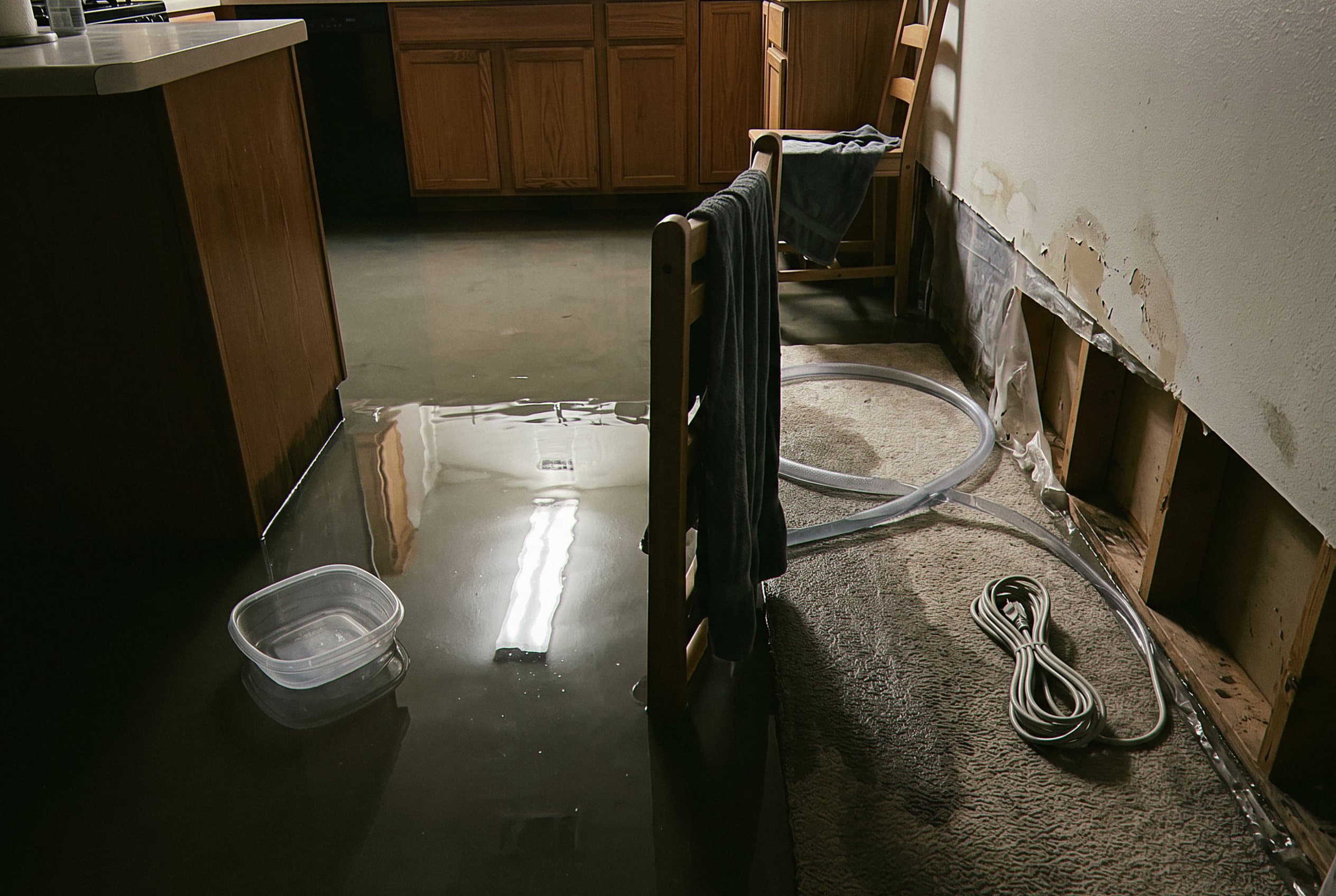
Water damage restoration is an emergency job with several steps. We stop the water, pull it out, dry the structure, and put the property back the way it was before the loss. The reason it is an emergency and not a weekend project comes down to one number. The EPA advises drying the wet areas within 24 to 48 hours to keep mold from starting, and the flood guidance from the CDC is blunter still. If it stayed wet longer than that, assume mold is already there. That window is why our line is open 24/7. It is also why we treat every water call in Springfield the same way, whether it is a split supply line in an old house off Sumner Avenue or a foot of storm water in a basement down near the Connecticut River.
A pipe lets go in the night and you wake up to a wet floor and that sour, damp smell. The sump pump quits during a hard rain and the basement starts to fill. A washer hose splits while you are at work over in Forest Park, and the water runs for hours before anyone sees it. However it starts, water spreads fast. It soaks into wood, wicks up the drywall, and hides under the carpet where you cannot see it. We are a local crew and we do the work ourselves. When you call, you reach our team right here in Springfield, not a desk in another state. We come out, we look at what the water reached, and we tell you in plain words what it will take to put your home back. Water damage restoration is our whole trade, not a sideline we picked up between other work. No script and no runaround.
Springfield winters are hard on a house. Cold snaps push deep into January and February, and the pipes along an outside wall or in an unheated crawl space freeze first. Ice builds inside the line, the pressure climbs, and the pipe splits. When it thaws, water pours out, sometimes for hours before anyone is home to catch it. Frozen pipe work is some of the most common water damage restoration we do once the temperature drops. Our Burst & Frozen Pipe Cleanup crew pumps out the water, finds the line that failed, and dries the rooms before mold has a chance to start. We also look for the soft, swollen drywall and the warped trim that a slow leak leaves behind. The faster the water leaves, the less of your home it can ruin.
Water moves down, so most of what we see starts in the basement. Plenty of homes around Sixteen Acres, Pine Point, and East Forest Park sit on full basements that hold the furnace, the water heater, and years of stored boxes. One failed sump pump during a March thaw can leave inches of standing water over all of it. You come down the stairs and the bottom step is under water. Our Emergency Water Removal crew brings truck pumps and strong wet vacuums to clear that water first. Then we lift and save what we can and haul out what the water spoiled. We pull up soaked rugs, move furniture to dry ground, and check the outlets and the furnace before anything gets switched back on. Fast water damage restoration always starts by getting the standing water gone, because nothing else in the house can dry while it is still sitting there.
Once the standing water is gone, the slow part begins. Wet drywall, soaked subfloor, and damp framing can look almost fine and still hold gallons of water. Left alone, that trapped water feeds mold and warps the wood until floors cup and doors stick. Our Water Extraction step pulls the water you cannot see, deep in the carpet pad and down under the baseboards. We use moisture meters to read how wet each wall really is, room by room. We do not guess. We do not call a room done until the numbers say it is dry. Good water damage restoration lives or dies on this step. Skip it, and the home looks fine for a month before the smell and the stains come back worse than they were.
Storms bring the other half of our work. Heavy summer thunderstorms and the tail end of a coastal storm can push the Connecticut River and its smaller streams over their banks. When that water reaches a home in the South End or along the low streets near Indian Orchard, it brings mud, grit, and whatever was in the road with it. Our flood damage cleanup crew clears the muck, washes down what stayed, and hauls out the soaked drywall and insulation the floodwater ruined. Storm water is rarely clean, so this kind of water damage restoration means we treat and sanitize every surface it touched. We do not just dry the room. We make it safe to live in again, which is the part a shop vacuum and a box fan can never do on their own.
The calls we take follow the housing stock here. Burst and frozen pipes lead the list, because so much of the city is older wood frame housing built to hold two or three families, still running on original supply lines that split in a January cold snap. Ice dams come next, backing meltwater under the shingles and down inside the walls of those same houses. Then comes storm and basement flooding, when a valley storm drops more rain than the ground or the drains can take. A sump pump that quits, a water heater that lets go, a washer hose that bursts, and a sewer line that backs up round out the list. No two of those jobs look alike, and that is the point of calling a crew that does this every day. Sometimes a few air movers and a day of drying is all it takes. Sometimes it is a full week of pumping, drying, and rebuilding. Either way, water damage restoration done right means the room ends up dry, clean, and safe before we pack up and leave.
Water Damage Restoration Springfield in Springfield
Standing water pulled out fast, before it soaks deeper into your Springfield home.
02Water ExtractionWe pull standing water out fast, down to the pad and subfloor, before it soaks deeper into your Springfield home.
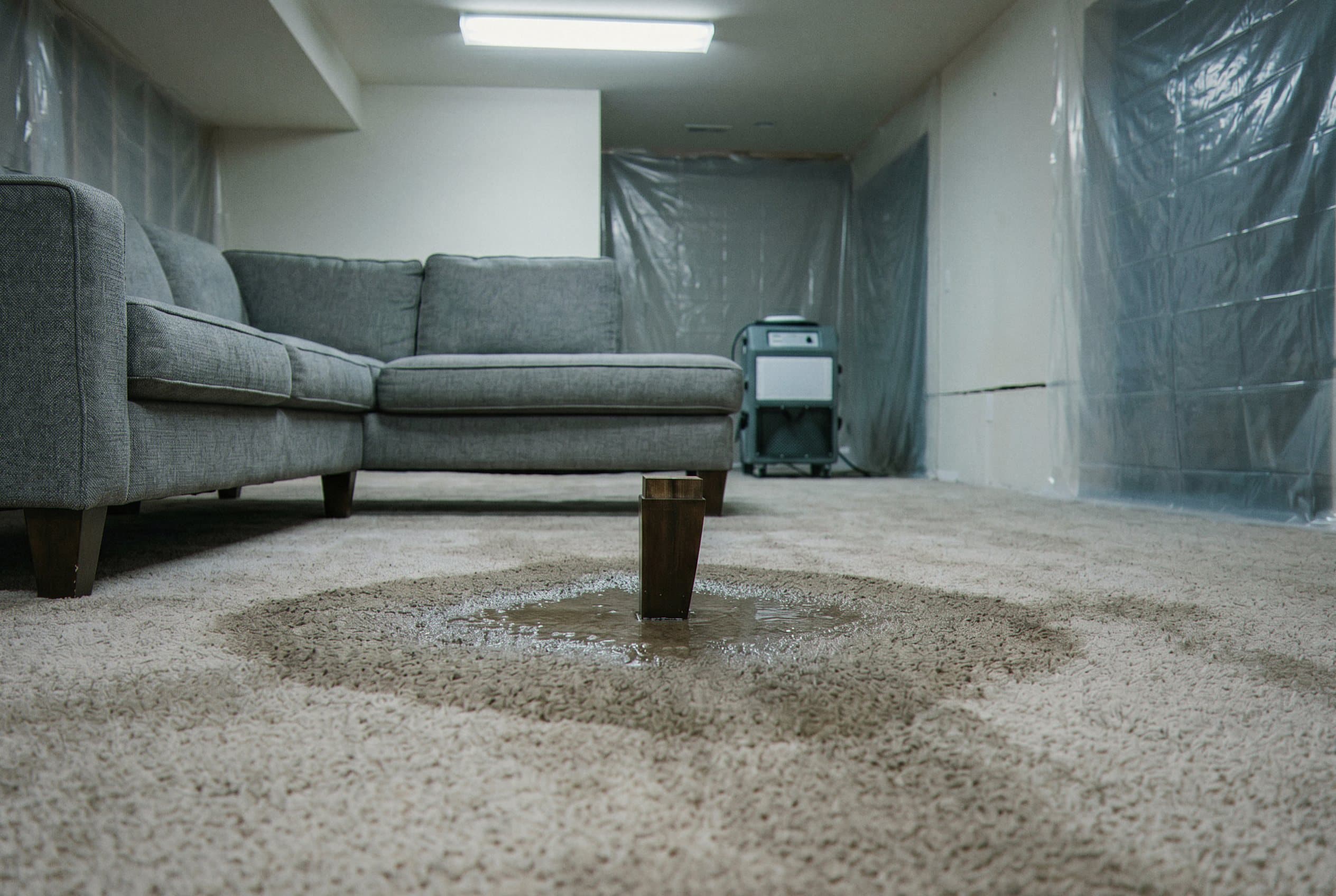 03Structural Drying & Dehumidification
We draw the hidden water out of your framing, subfloor, and drywall, so your Springfield home dries all the way through.
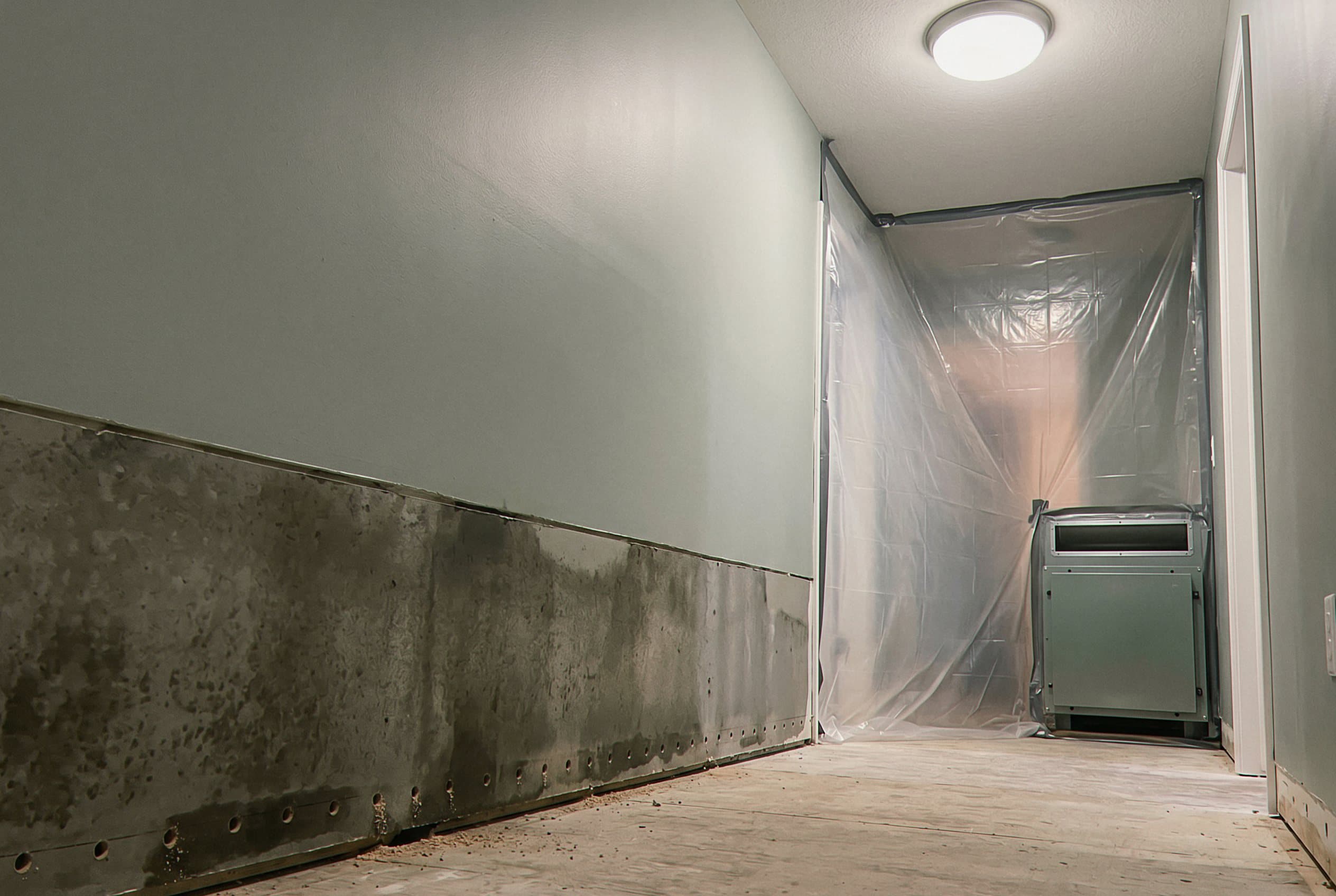 04Flood Damage Cleanup
Flood water out, structure dried, your Springfield home back in order.
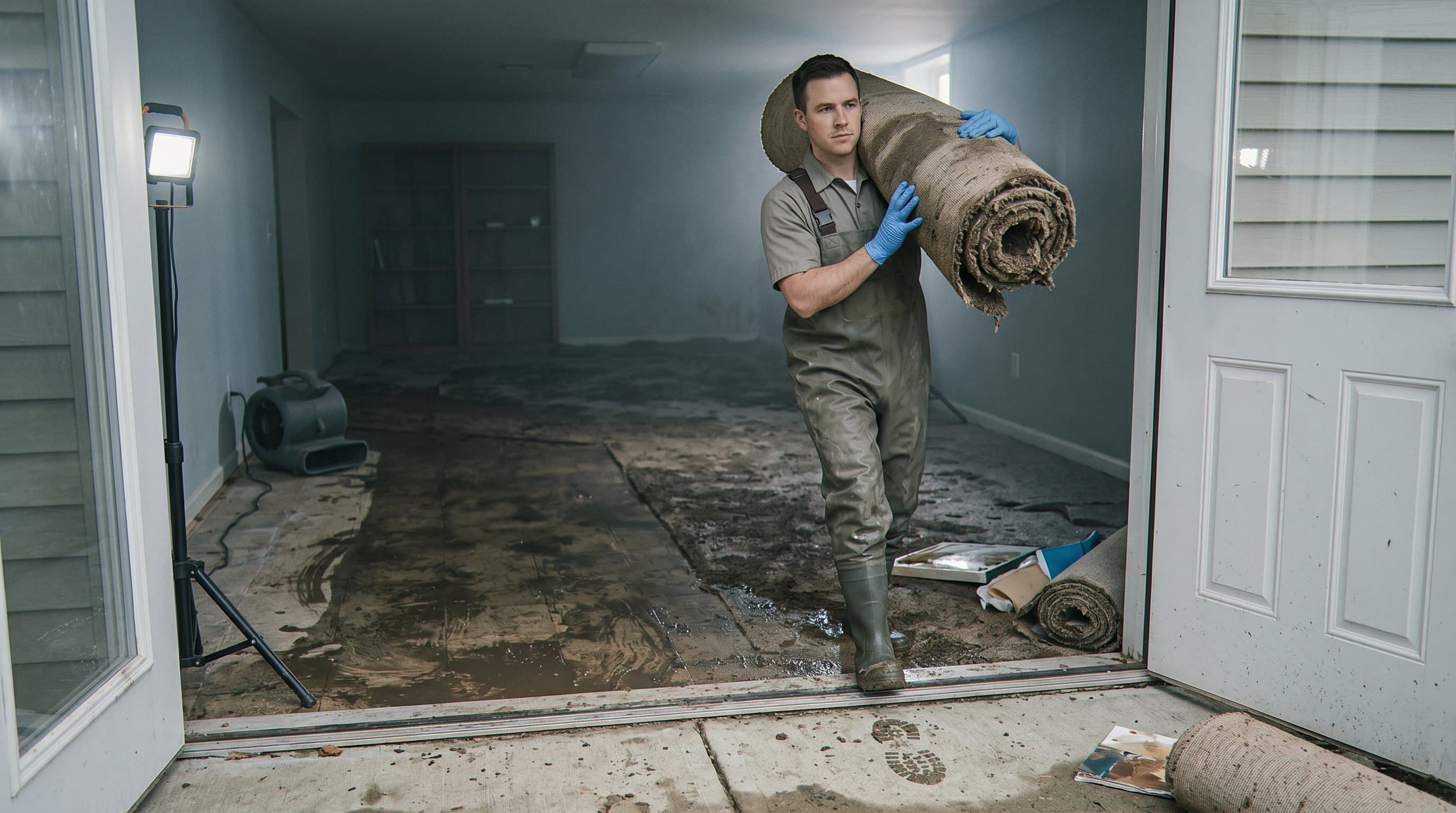 05Sewage Cleanup
Raw sewage backed up in your home? We clean it out safely and fast.
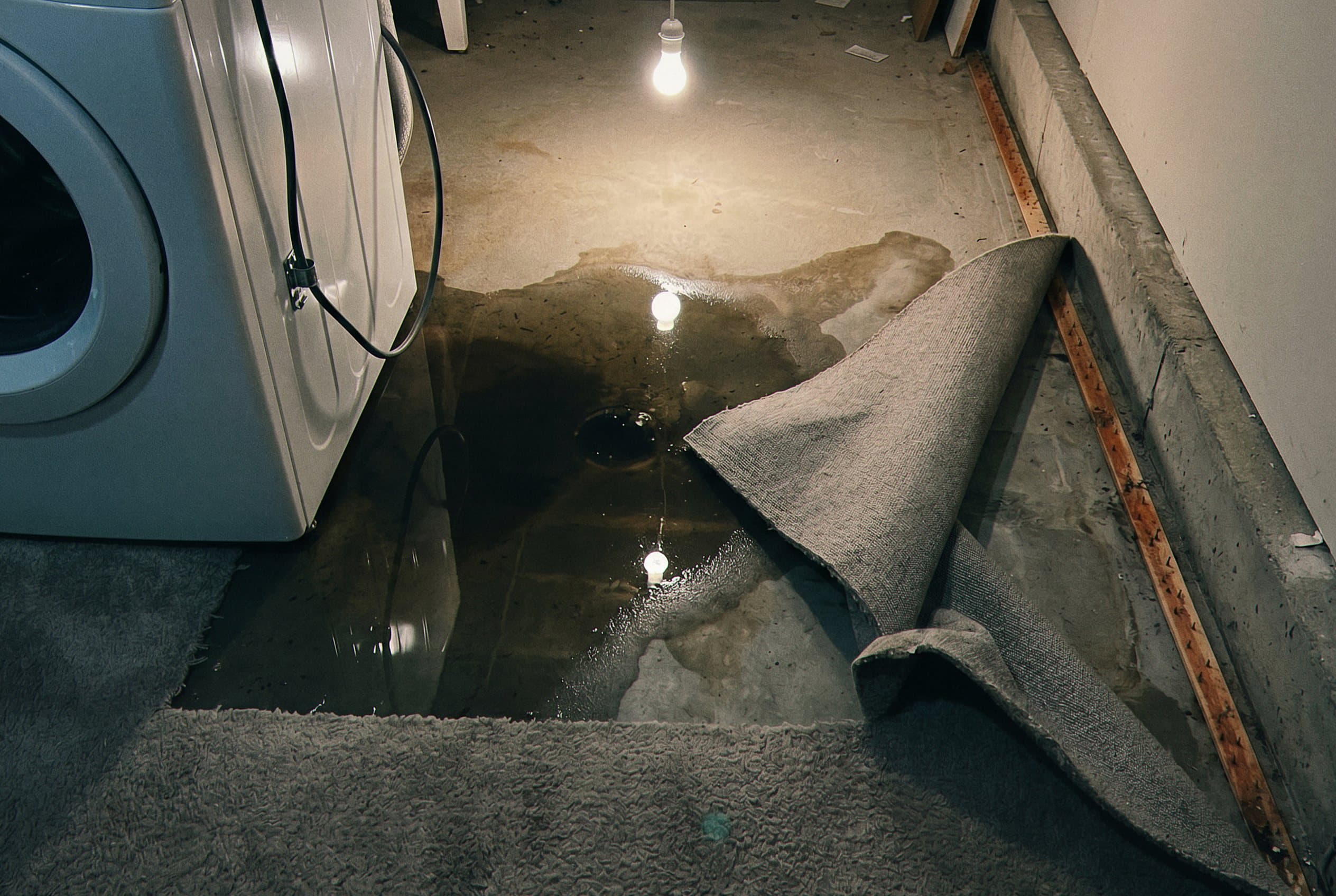 06Burst & Frozen Pipe Cleanup
Fast cleanup and full drying after a burst or frozen pipe in your Springfield home.
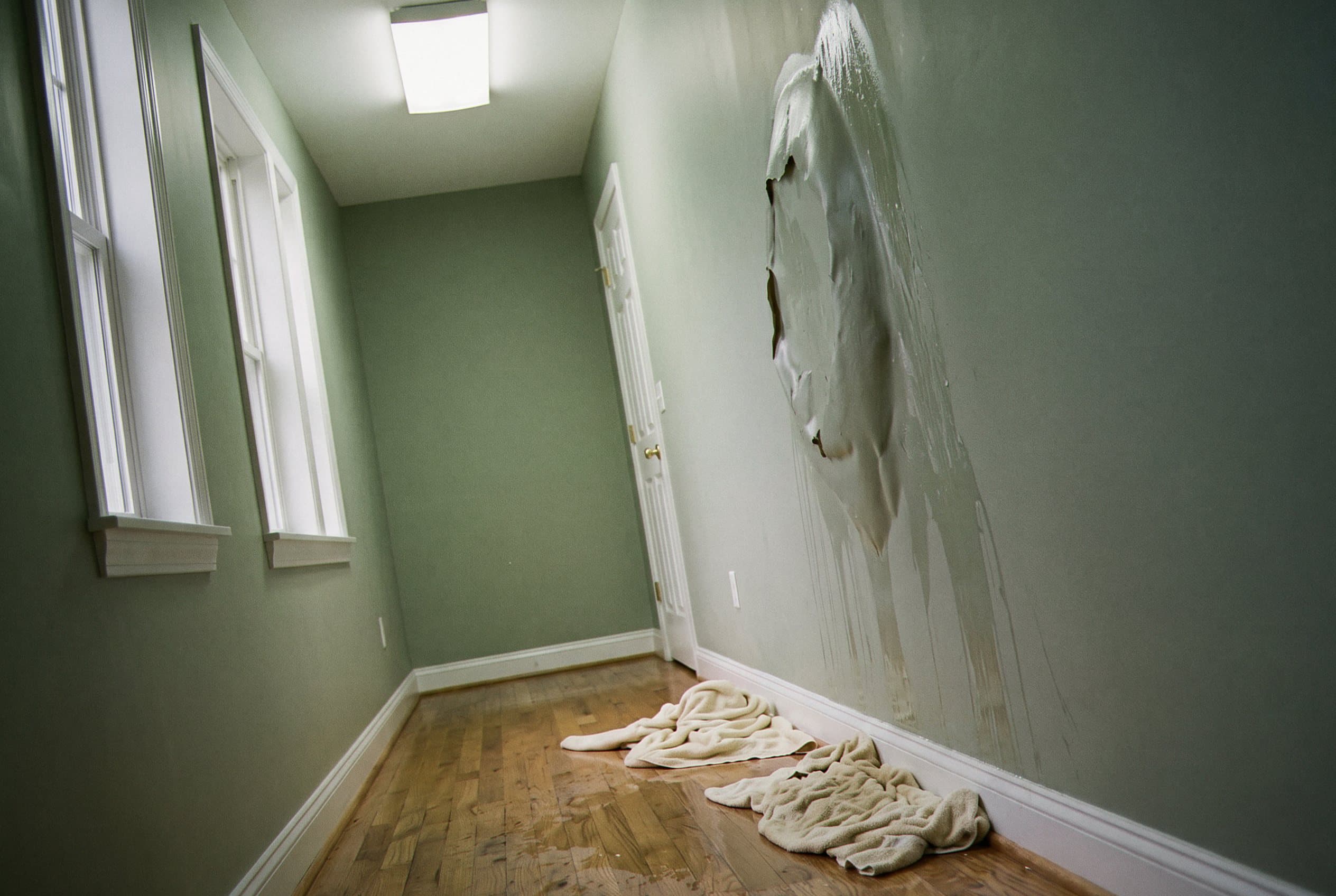 07Water Leak Detection
Find a hidden leak before it wrecks a room.
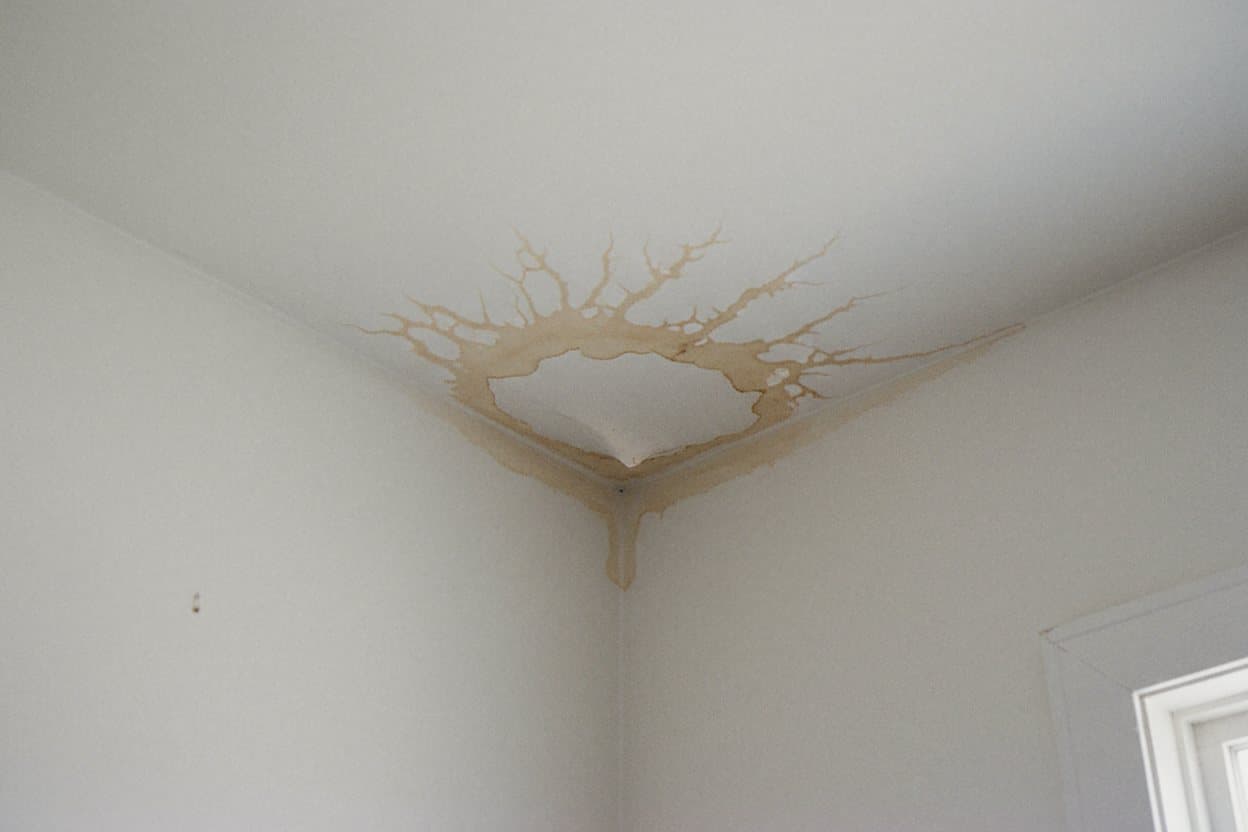 08Mold Remediation
Mold spreads fast after a leak. We find the water source, contain the spores, and clear it from your Springfield home for good.
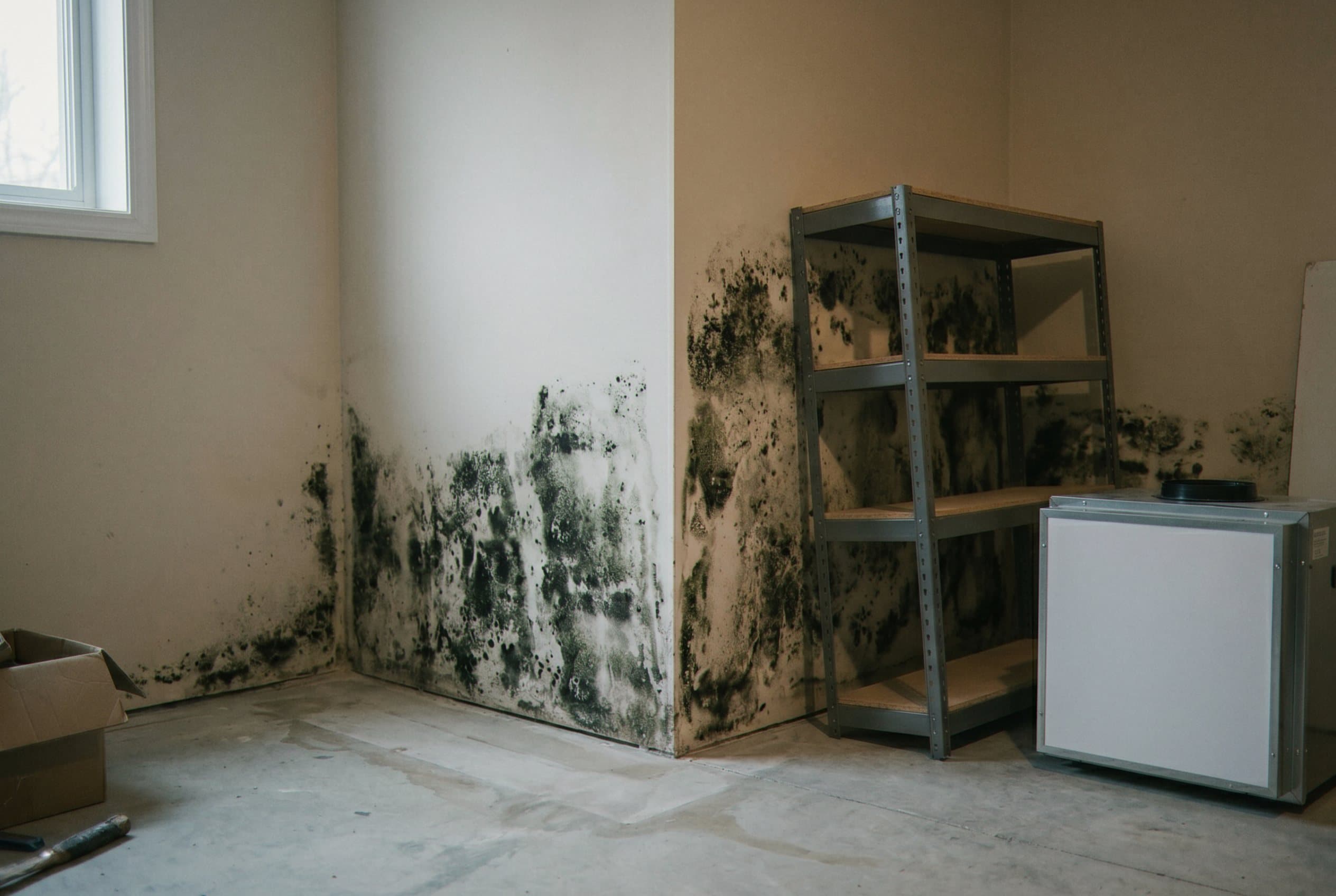
Emergency Water Removal
Speed is the whole game with water. On the first day, water is still just water, and most of what it touches can be saved. By the second and third day, drywall starts to fall apart, the musty smell sets in, and mold begins to grow on the damp wood. That is why we move fast on Emergency Water Removal and start the water damage restoration the same day when we can. Our Water Extraction crew pulls the water trapped deep in the carpet pad and the subfloor, where a mop never reaches. Every hour we cut off the water shortens the repair list and lowers what the whole job costs you in the end. Water damage compounds, and the soft materials in a house prove it. Drywall, insulation, carpet pad, and subfloor all lose their strength the longer they sit soaked. Acting fast is the cheapest move you can make on a water loss.
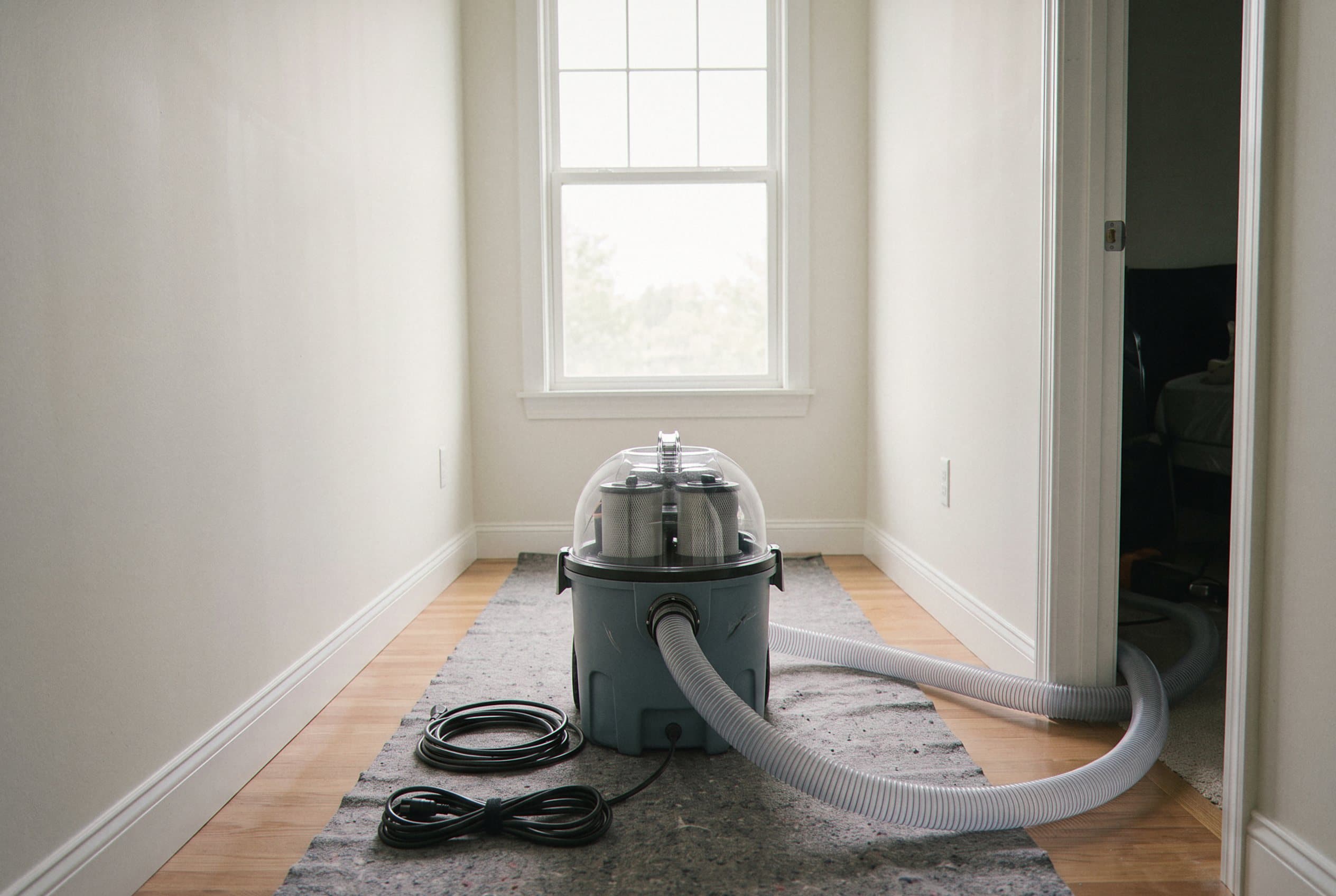
Water Extraction
Drying a house is not a couple of box fans set out in the hall. Careful drying is the heart of the job, and it is the step most people get wrong on their own. Once the water is out, we set up Structural Drying & Dehumidification to pull moisture from the air and the framing at the same time. Air movers push air across the wet surfaces while the dehumidifiers trap the water vapor and drain it away. We read the meters each day and move the gear as rooms dry at different speeds. A finished basement in Longmeadow dries far slower than an open one, so the plan bends to the home in front of us. Good structural drying is patient work. We keep at it until the framing reads as dry as it was before the water ever came in, and the meters decide that, not the calendar.
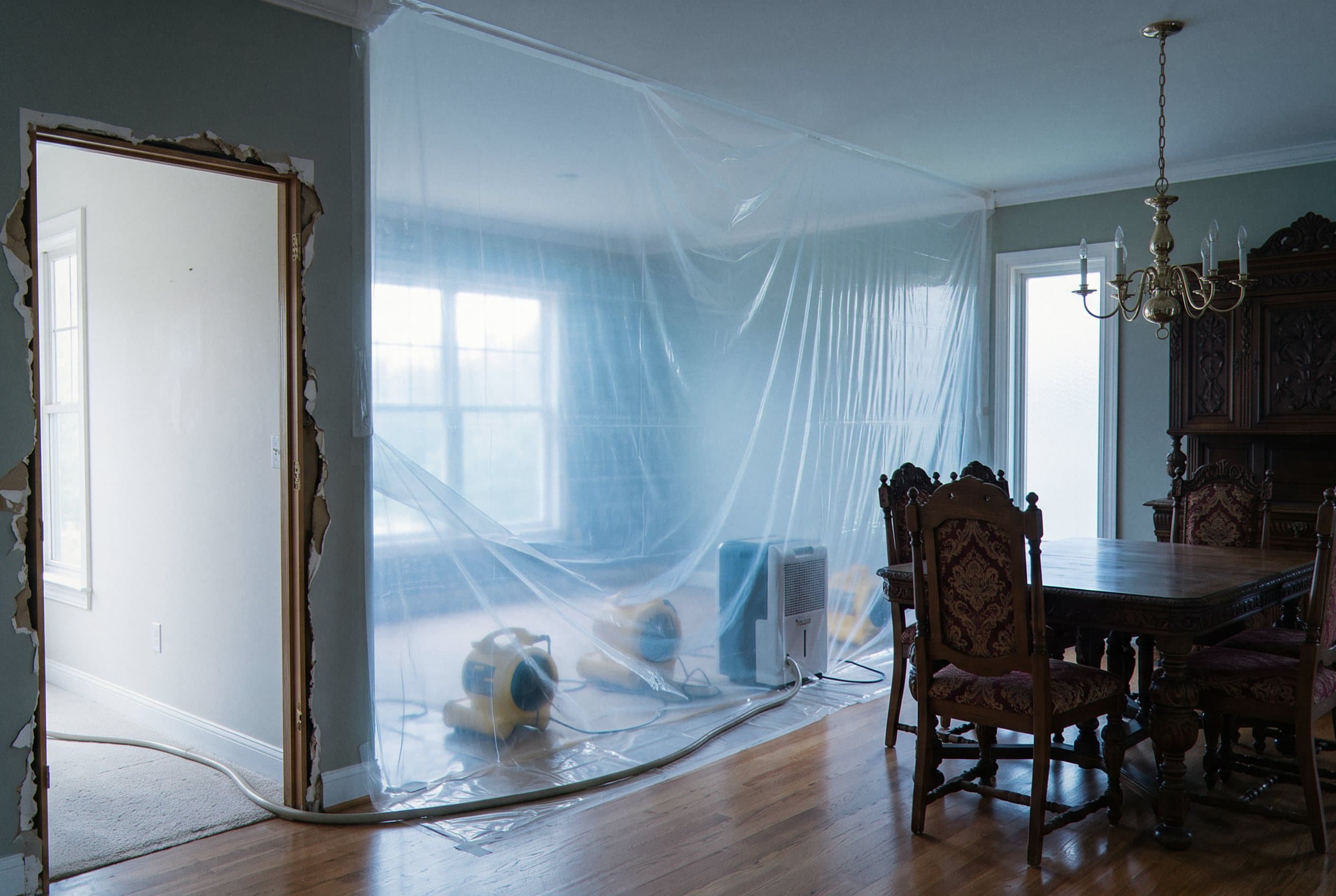
Structural Drying & Dehumidification
Mold is the quiet damage that shows up later. Springfield summers run warm and damp, and a wall that stayed wet for a few days is a fine place for mold to take hold. You might smell it before you see it, or notice dark specks along the bottom of a wall. If we find it, our mold remediation crew seals off the area, removes the ruined material, and cleans the rest under controls that keep the spores from drifting through the rest of the house. We follow the steps the EPA lays out for this kind of work. Catching it early is far easier than fighting it once it has spread deep into the walls and the framing. Mold Remediation is not a spray and a prayer. It is removal, cleaning, and drying, in that order, with the room sealed while the work goes on.
How a water damage job goes
Your inquiry
Call or send the short form with what is going on at your place. A sentence or two is plenty for the first step.
We talk it through
We go over the situation on the phone, ask the questions that matter, and tell you what we would do next.
A clear plan
You get a plain-language rundown of the work, the order it happens in, and what to expect on the day.
The work gets done
Our crew shows up when we said, does the job, and walks you through the result before leaving.
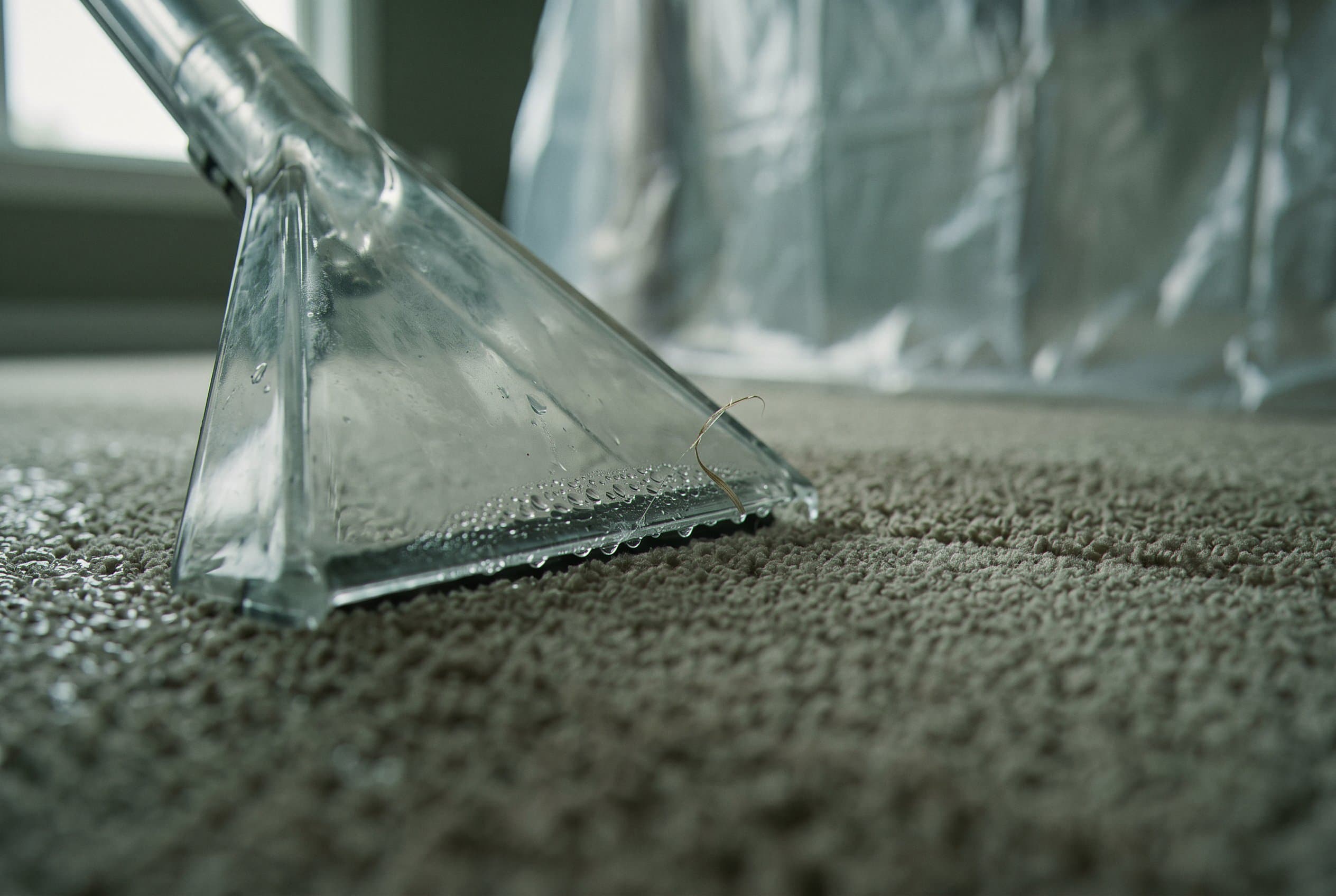
Water in your home? Call our Springfield crew now.
Tell us what is going on at your Springfield home and we will walk you through the options. One call or one short form is all it takes.
Call (413) 288-6041Make your inquiry
Looking for help at a Springfield home? Send the short form and we get back fast during open hours: .
Start the formQuestions Springfield families ask
Straight answers first. If yours is not here, call (413) 288-6041 and ask.
How fast can you get to my Springfield home?
What should I do before your crew arrives?
Do you work with my insurance company?
How long does drying take?
Will there be mold after water damage?
Is the water in my house contaminated?
What does water damage restoration cost?
Do I need to leave my house during the work?
Do you handle the repairs after the drying?
Water in your home? Call our Springfield crew now.
Tell us what is going on at your Springfield home and we will walk you through the options. One call or one short form is all it takes.
Call (413) 288-6041Make your inquiry
Looking for help at a Springfield home? Send the short form and we get back fast during open hours: .
Start the form