09 services · Springfield, MA
Restoration matched to what the water actually did.
Every service on this page is part of the same response: stop the source, pull the water out, dry the structure down with air movers and dehumidifiers, then clean, sanitize, and rebuild what got ruined. What changes between services is where we start — standing water in a flooded Springfield basement, a burst pipe behind a wall, sewage backing up into a finished room, or hidden moisture our meters catch after the obvious mess is gone. Our crew works each one the same careful way.
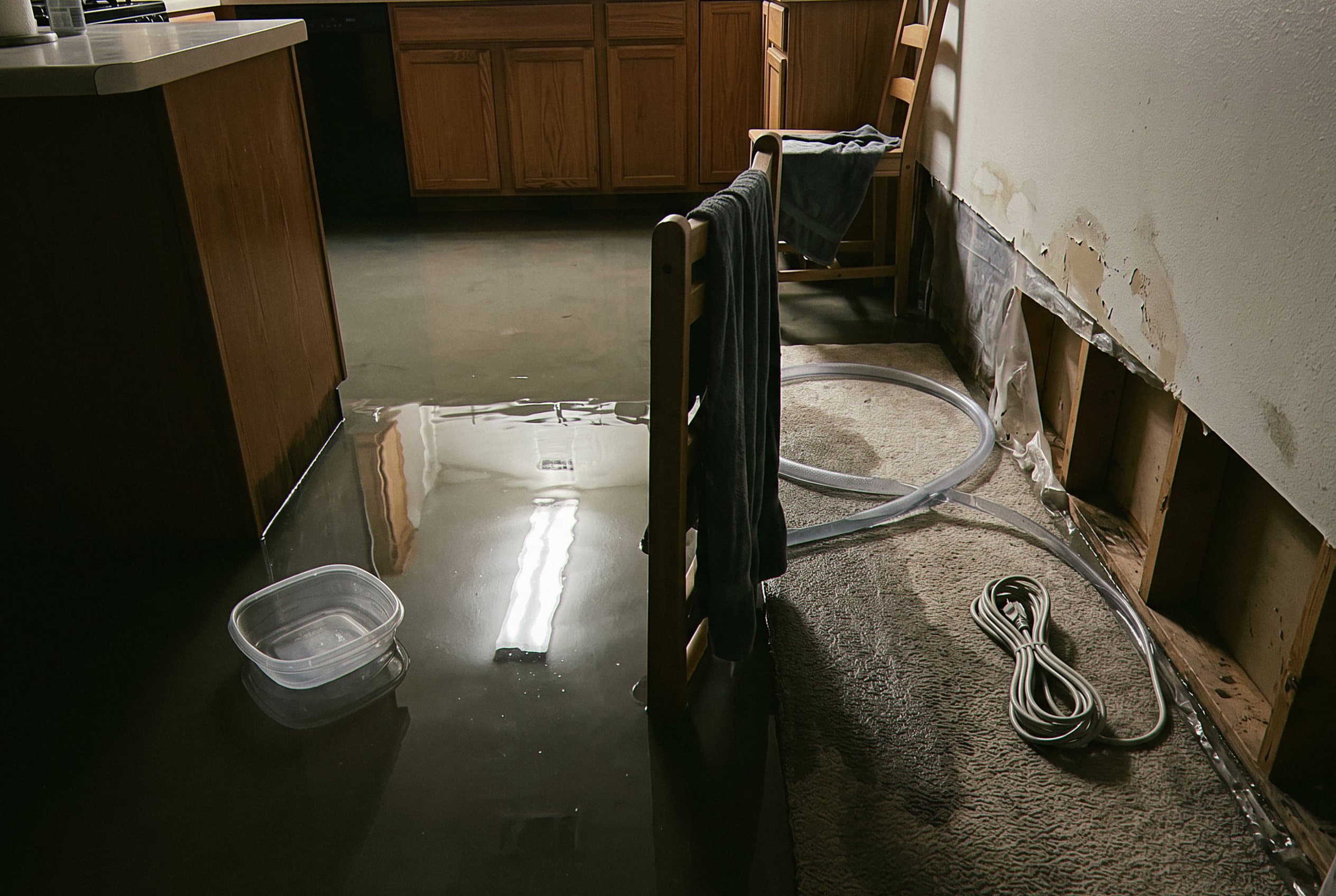
Water damage rarely stays in one lane. A frozen pipe floods a basement. The water creeps into the subfloor and soaks the carpet pad. A week later mold shows up along the framing where nobody thought to look. That is why we keep every step under one roof. We start with Emergency Water Removal and Water Extraction to get the standing water out fast. Then Structural Drying & Dehumidification pulls the moisture from the air and the walls until the framing reads dry again. If the water came in dirty, our Sewage Cleanup crew handles it safely and treats every surface it touched. We finish with Water Damage Repair & Reconstruction, so your home looks like itself again. Not sure where your problem fits? Just call and tell us what you see. We will point you to the right place to start.
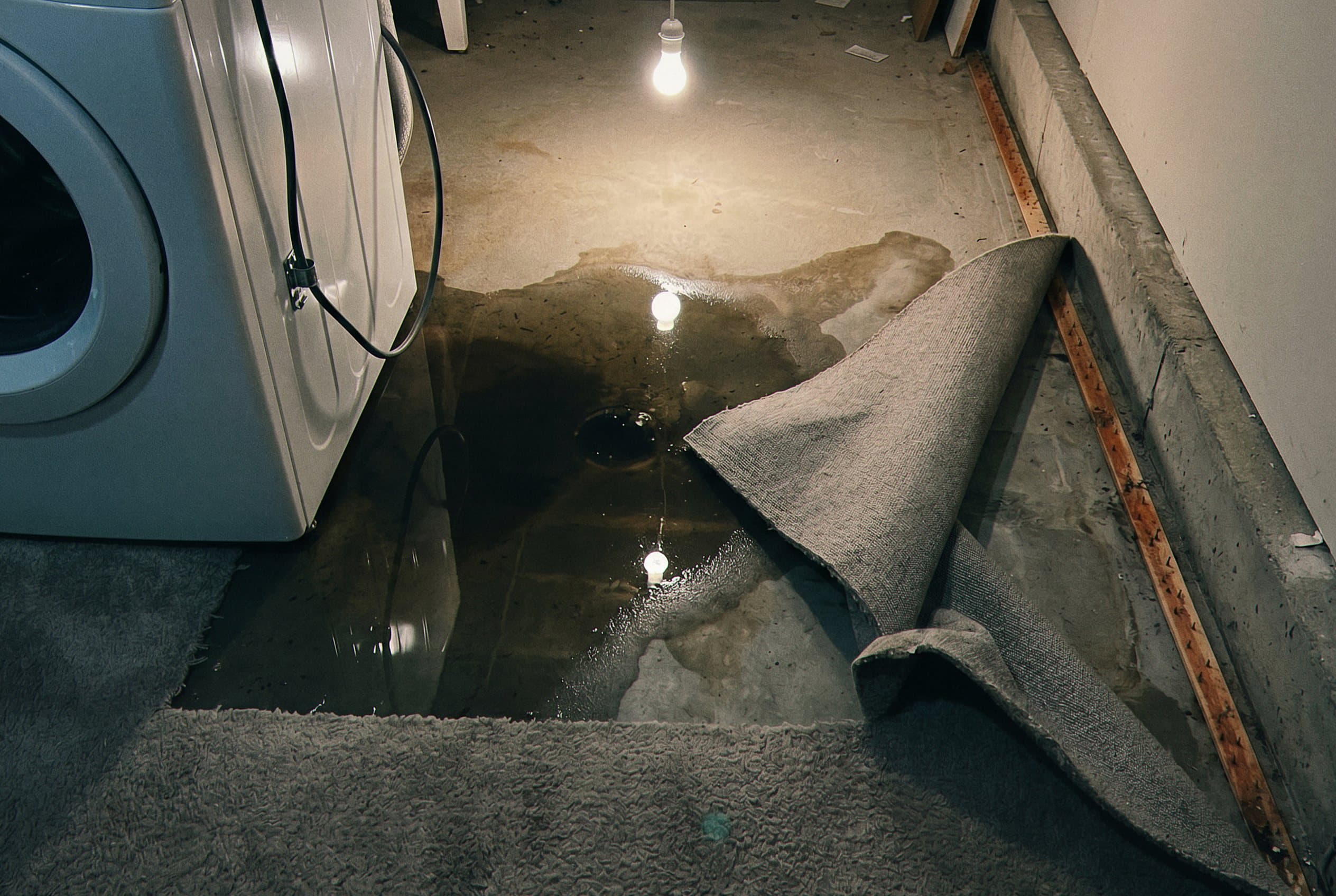
One thing shapes every job before the first pump runs. It is the kind of water we are dealing with. We follow the S500 standard from the IICRC, which sorts water into three classes. Class one is clean water from a safe source, like a broken supply line or a tub that ran over. Class two is gray water. It is dirty enough to make people sick, and it comes from places like a washer draining, a sump pump that fails, or seepage through a wall. Class three is black water. It carries waste and germs, and it comes from sewer backups, a waste line pushing the wrong way, or a river that rises into the house. Here is the part a lot of outfits get wrong. Storm water and rain pushed by hard wind are not always class three. The crew on site makes that call, not the weather report.
Why the class matters so much is simple. It sets what we can save. Clean water on a hardwood floor is often a drying job. The same amount of sewage on that floor is a removal job, because you cannot clean what you cannot reach. Calling it right is the difference between careful drying and tearing out material that could have stayed. Calling it wrong in the other direction is worse. A room dried in place after a sewer backup looks fine and is not safe. We would rather spend twenty extra minutes on the inspection than guess. You will hear the class out loud on the first visit, along with what it means for your floor, your walls, and your schedule.
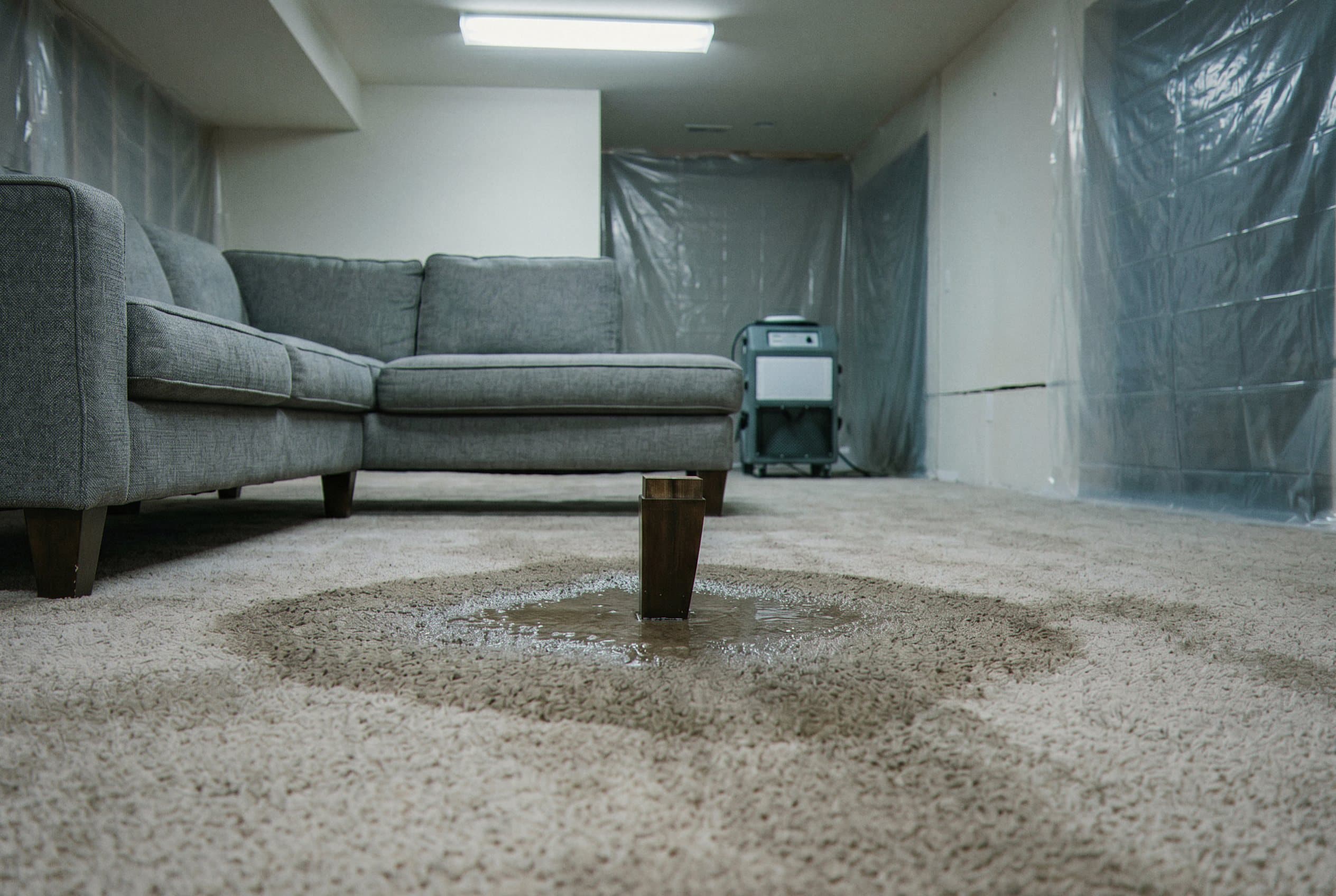
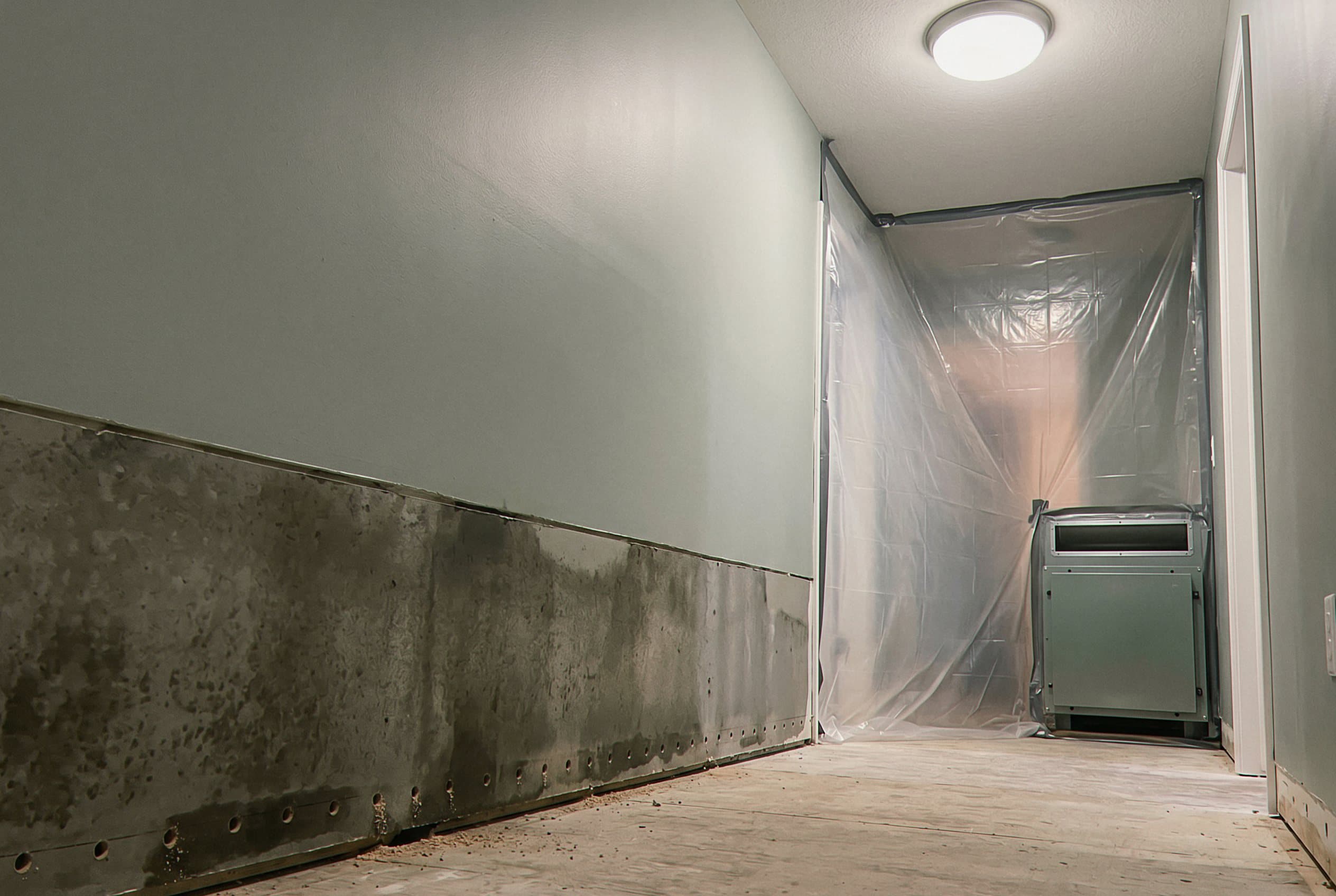
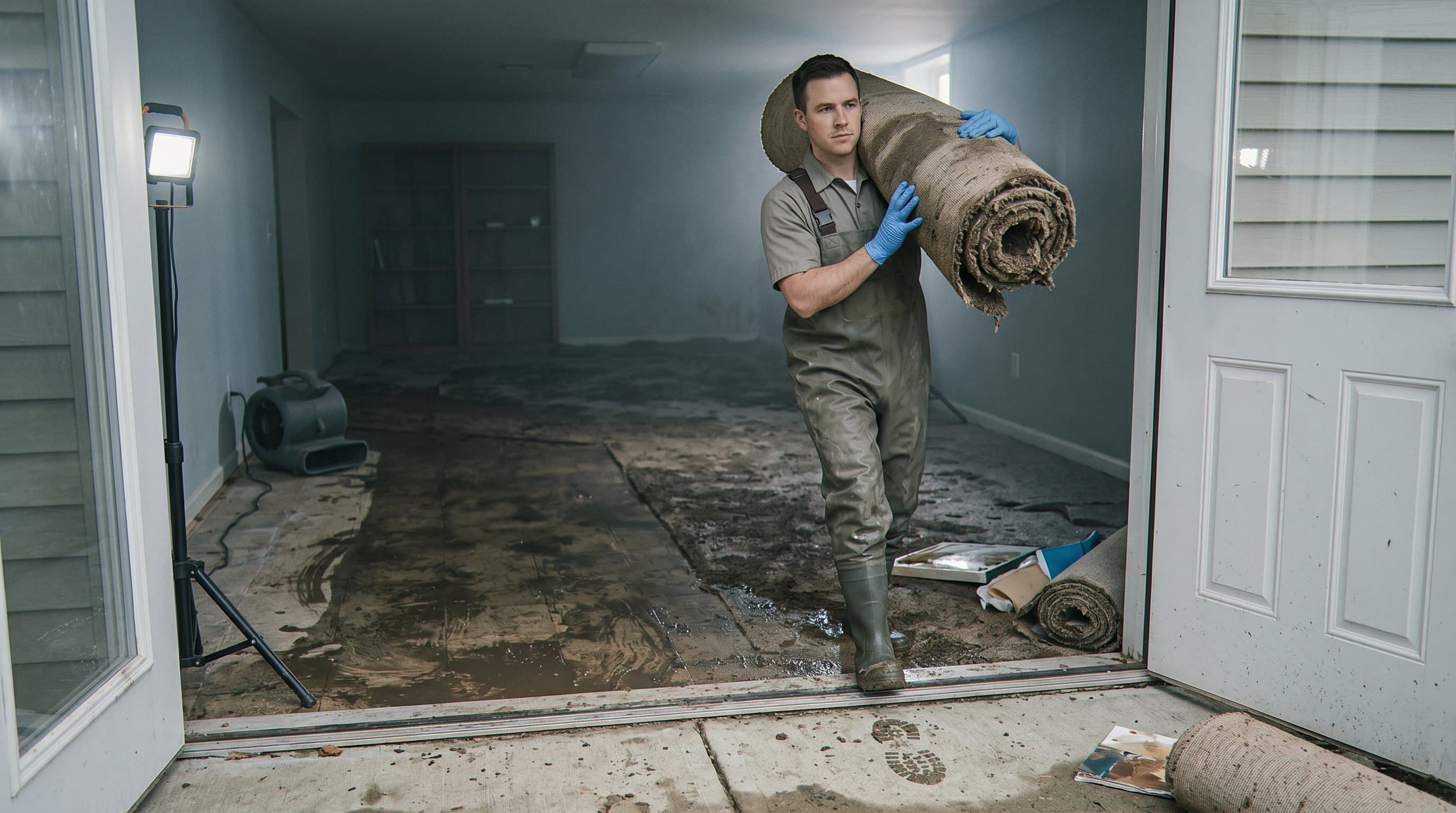
Emergency Water Removal is where most calls start. Pumps and truck mounted extractors move the standing water out from the lowest point up. Water Extraction is the quieter half of that work. It pulls what soaked into the carpet pad, the subfloor, and the base of the walls, which is water a mop will never reach. Structural Drying & Dehumidification comes next, and it is the longest stretch of the job. Air movers push air over the wet surfaces. Dehumidifiers pull the vapor out and drain it away. We read the meters daily and move the gear as rooms dry at their own speed. The readings end the job, not the clock on the wall.
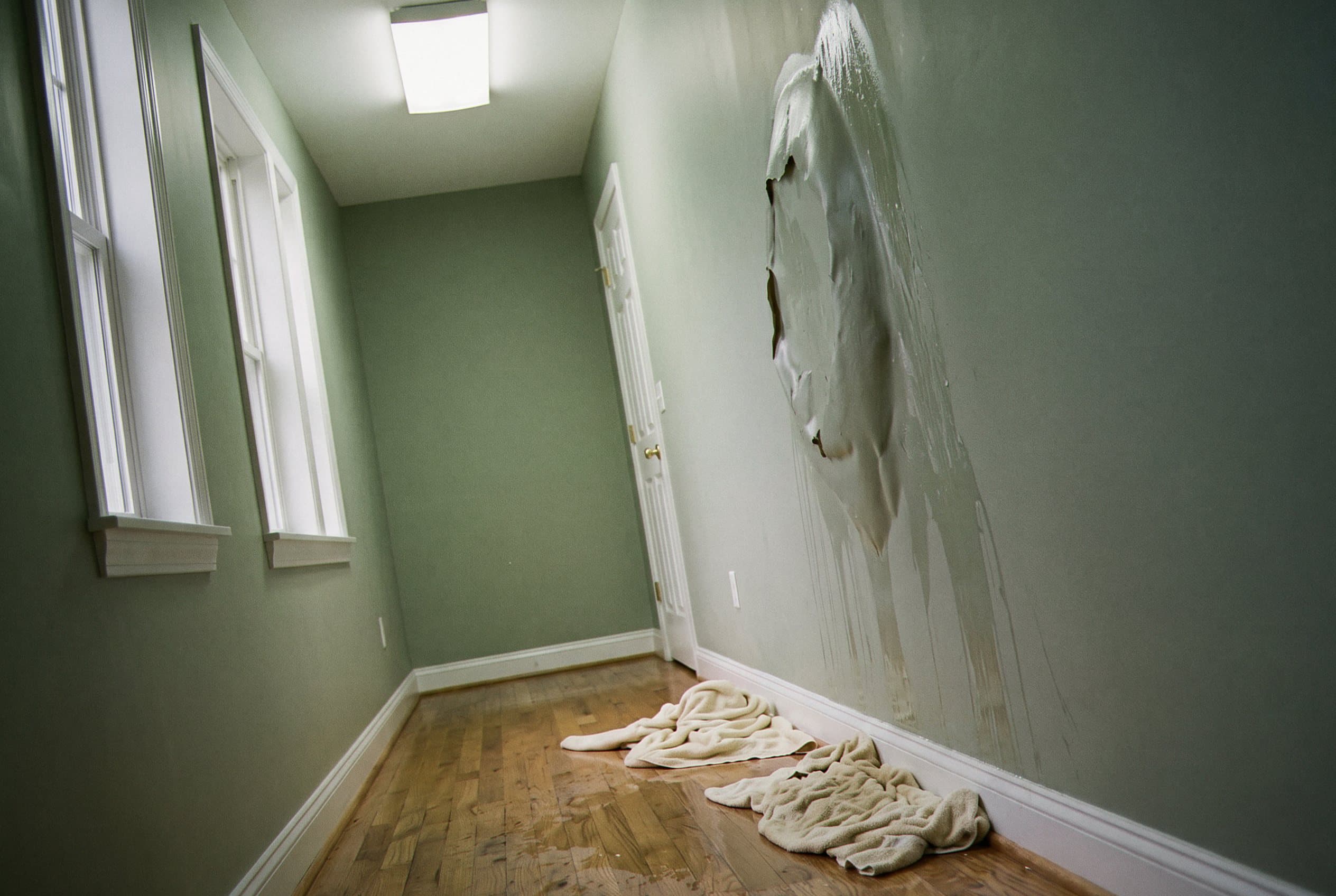
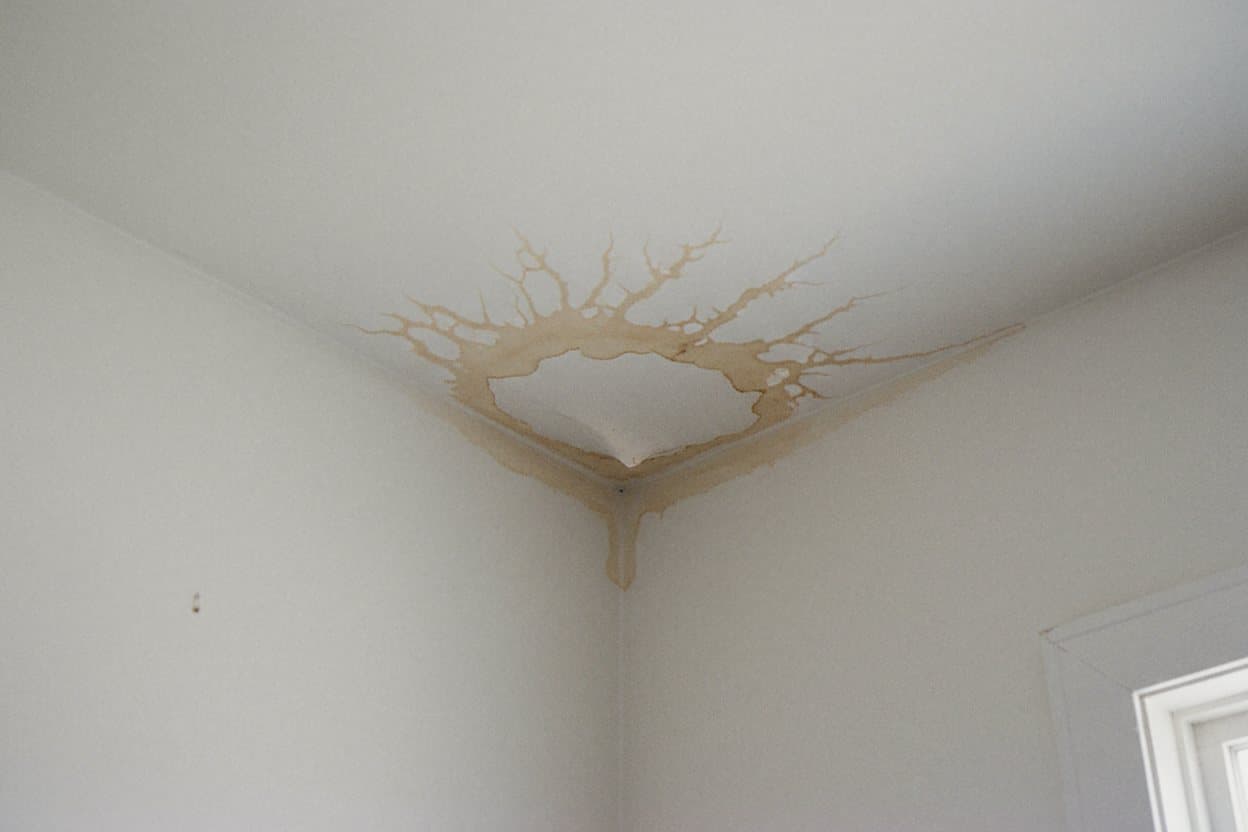
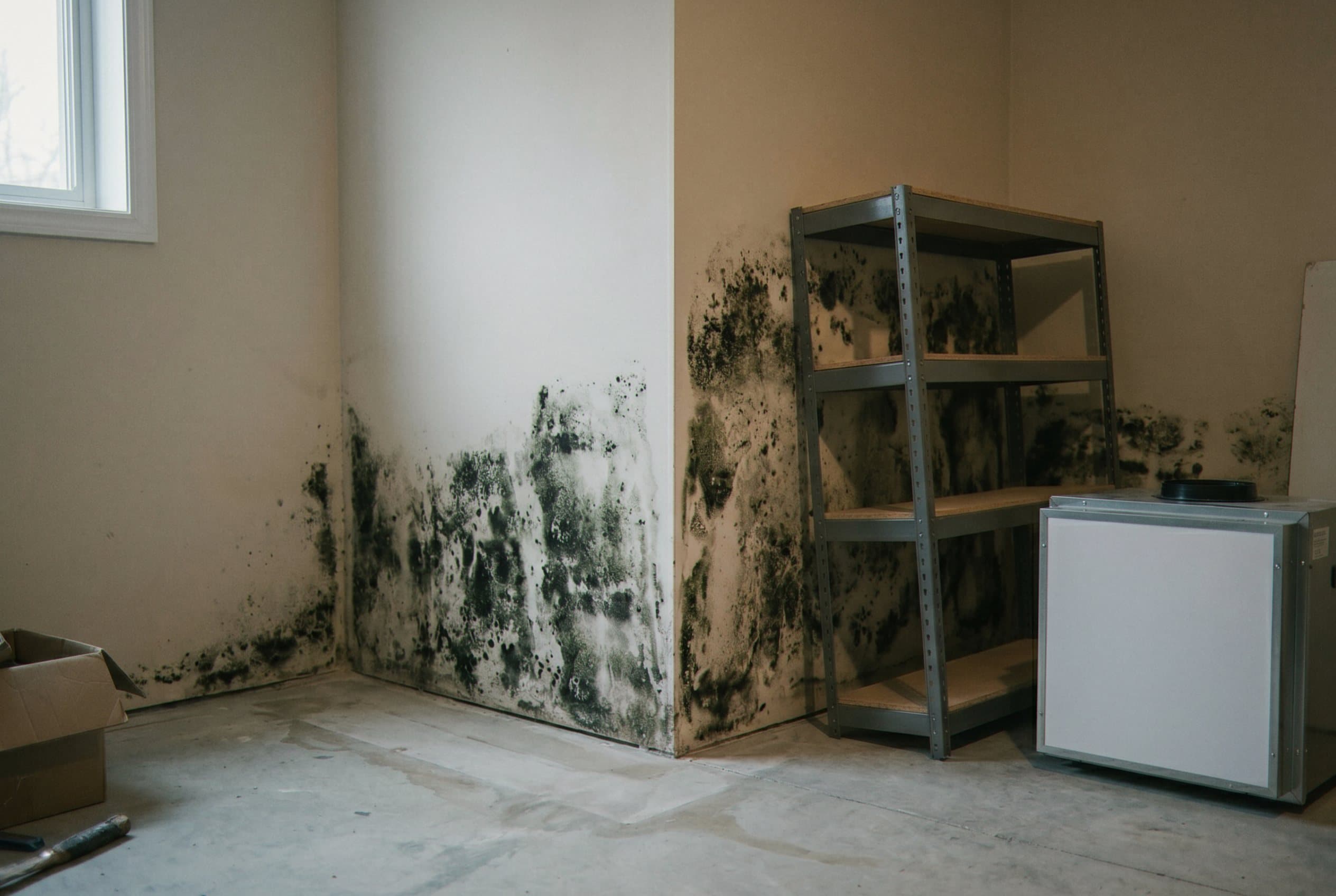
The other pages cover the jobs that come from a specific source. Burst & Frozen Pipe Cleanup is our winter workhorse in this city, where cold snaps split lines in crawl spaces and along outside walls. Flood Damage Cleanup handles storm water, the mud it drags in, and the soaked drywall and insulation it ruins. Water Leak Detection is for the slow ones, the ceiling stain in a McKnight bedroom or the soft floor by the tub, where the source hides behind a wall. Mold Remediation follows a loss that sat too long, and it means sealing the area, removing the ruined material, and cleaning under controls. Sewage Cleanup is the dirty end of the list. It is the one job on this page you should never take on yourself, no matter how small the backup looks when you first open the door.
Timing shapes which of these pages you end up on. Winter fills our calendar with Burst & Frozen Pipe Cleanup, and the worst nights come after a long cold snap when a line finally splits. Spring brings the thaw, and with it the sump pump calls from basements around Sixteen Acres and Pine Point. Summer storms push the rivers up and send us out on Flood Damage Cleanup. Slow leaks do not care what month it is. They show up as a stain, a soft floor, or a water bill that jumped for no reason. Whatever the season, the first visit looks the same. We find the source, stop it, map the moisture, and tell you which service on this list your home actually needs.
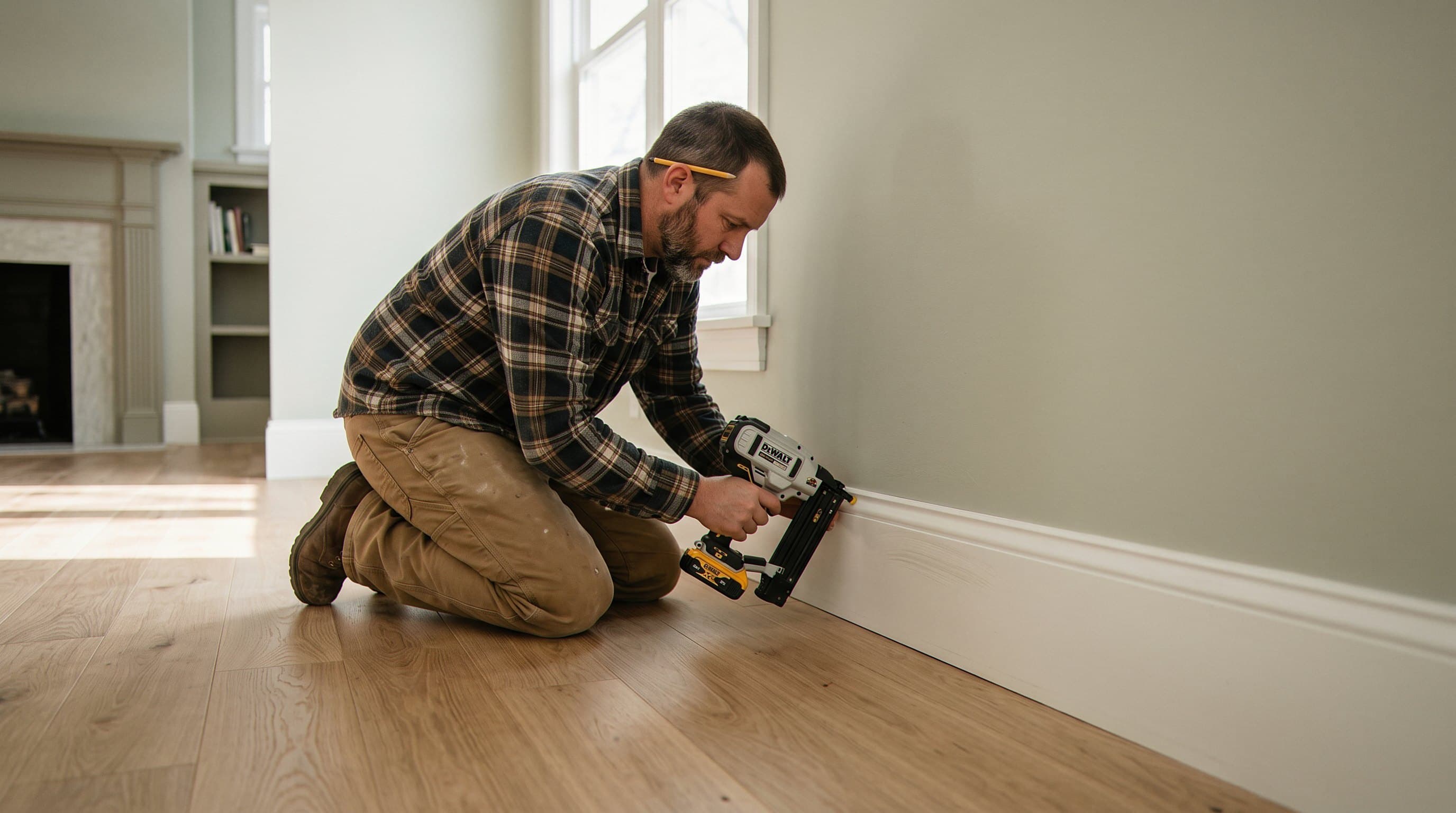
Water Damage Repair & Reconstruction closes the loop. When the drying is done, the room still has to look like a room again. Baseboards, drywall, trim, paint, and flooring all come out in a bad loss, and someone has to put them back. We do that part too. You are not left hunting for another contractor after the hard part is over, and you are not left staring at bare studs in a room your family has to live around while somebody works up a bid. Every page here links to the next step, because most losses touch three or four of these services before they are finished. If you only read one line on this page, read this one. Call early, tell us what you see, and let one crew carry the job from the wet floor to the last coat of paint.
Not sure which service fits?
Call the line, tell us what happened, get a straight answer.
(413) 288-6041Let's make your next steps easier
Tell us what is going on at your Springfield home and we will walk you through the options. One call or one short form is all it takes.
Call (413) 288-6041Make your inquiry
Looking for help at a Springfield home? Send the short form and we get back fast during open hours: .
Start the form