
Water Extraction · Springfield

Water Extraction in Springfield, MA

We pump and pull standing water out of your home fast, then check what soaked in below the surface.

Free Quote

Free Water Extraction quote.

We reply within 1 business hour. No spam, ever.

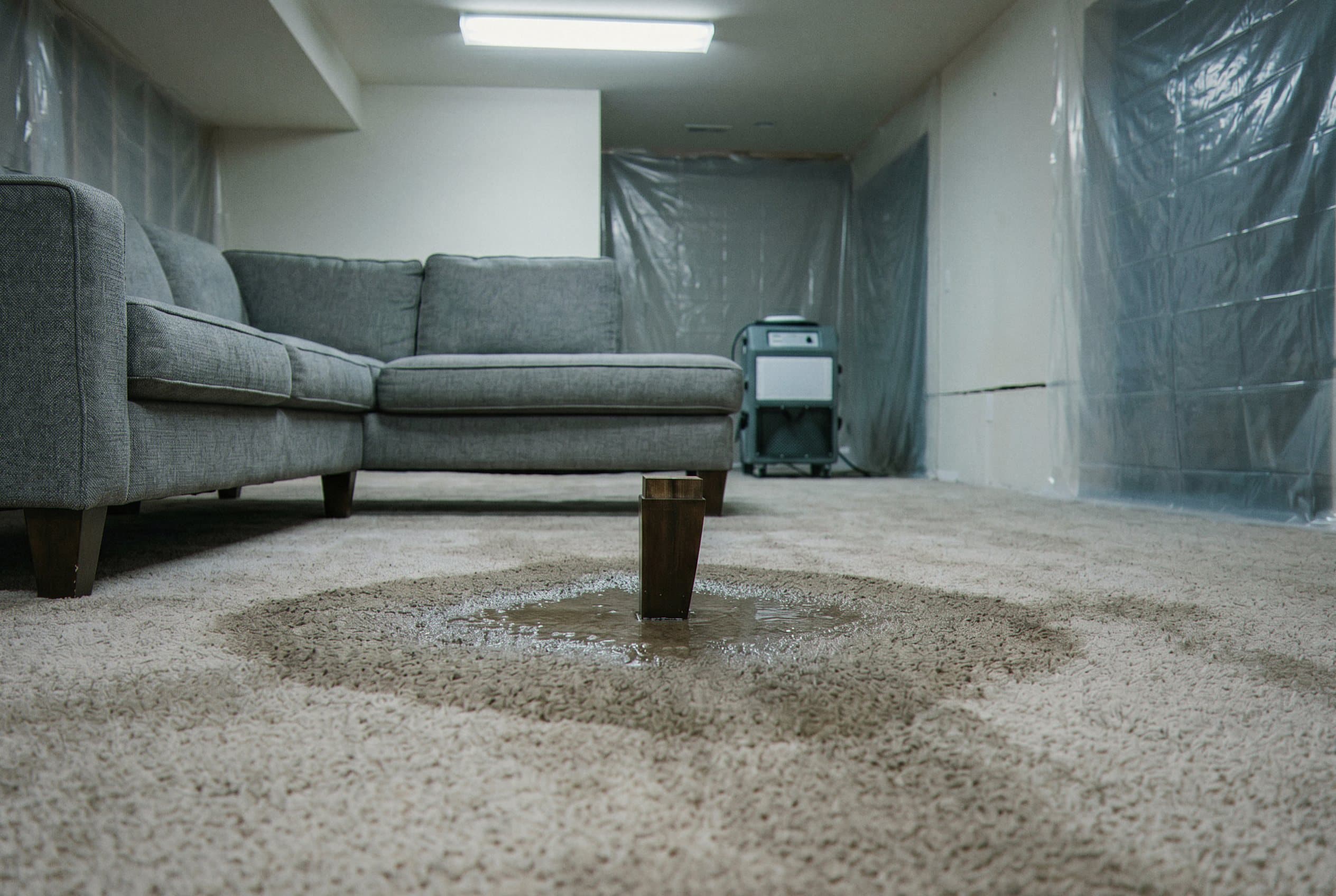
Water stains on carpeted basement floor
Standing water near basement wall
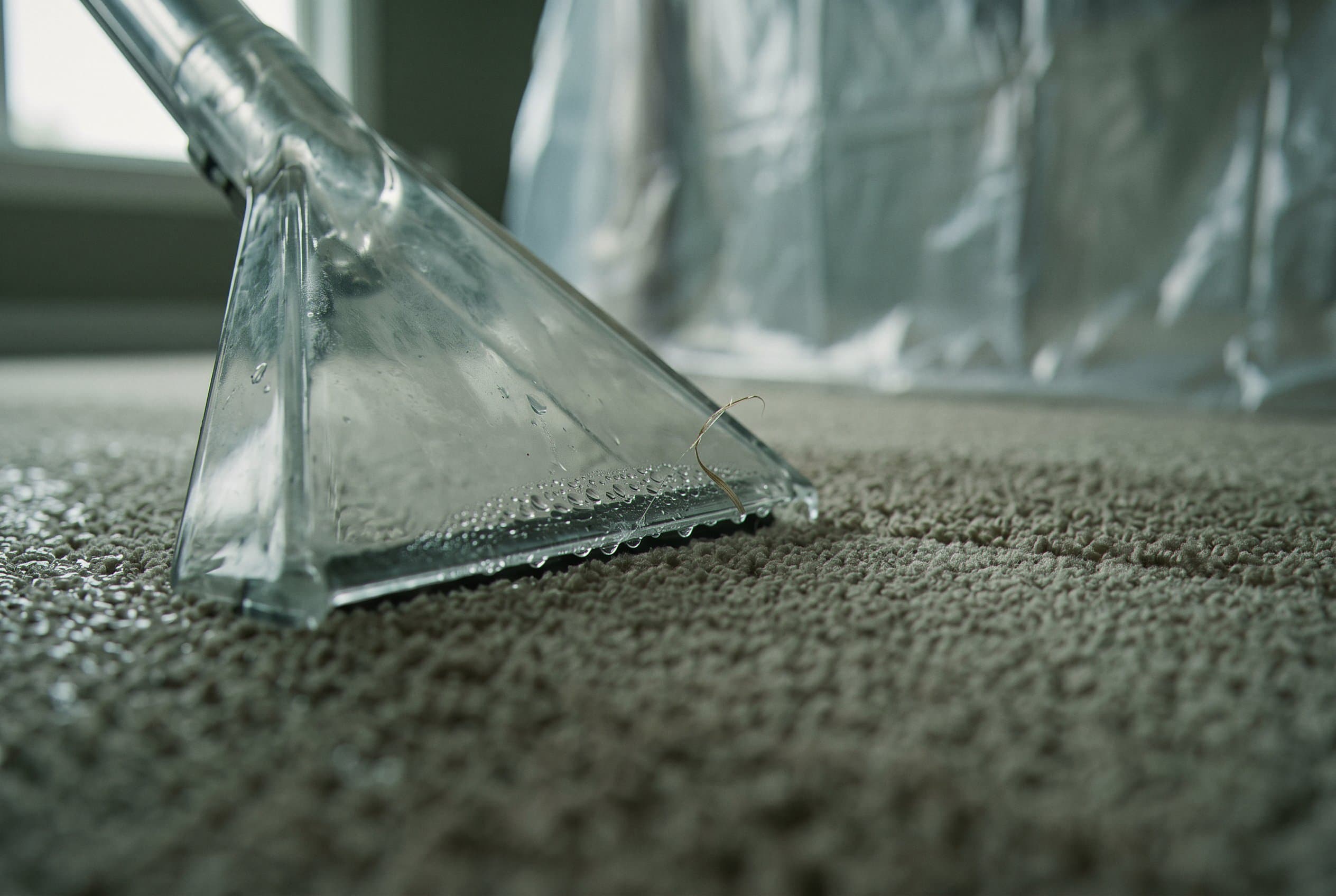
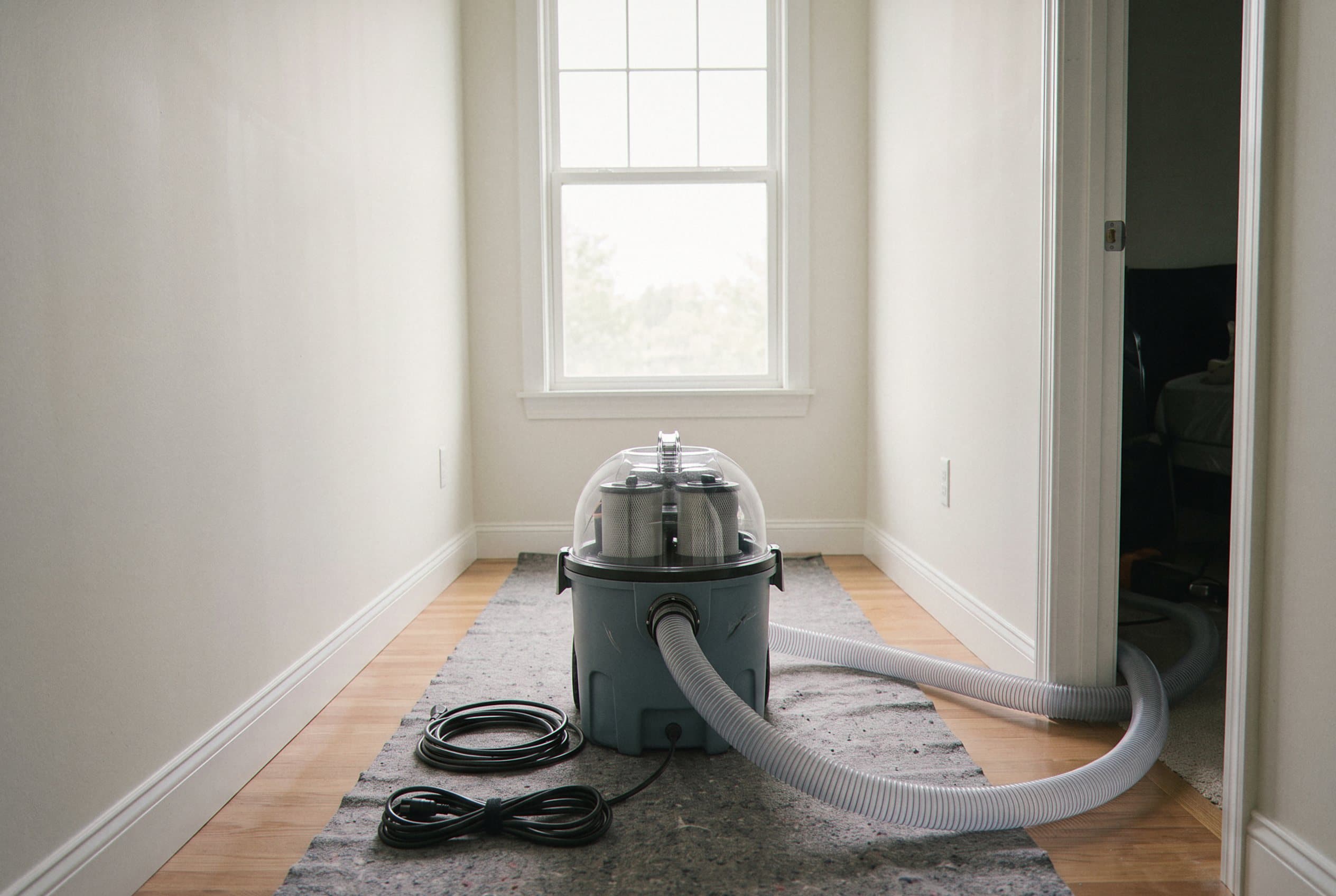
Professional extraction equipment set up
What we install

Why fast water extraction matters in Springfield

When water sits, it does not stay still. It travels. It slides under your baseboards, soaks into the pad below your carpet, and wicks up the bottom of your walls. We have pulled water out of homes all over Springfield, from Forest Park to Sixteen Acres, and the story is almost always the same. The owner mopped what they could see. Under the floor, gallons were still hiding. Water extraction is the step that removes that hidden water before it turns into a much bigger repair.

Truck size matters here. A small wet vacuum can clear a damp spot, but it cannot keep up with deeper water across a finished basement. Our crew runs strong pumps and extraction units that move many gallons a minute. We start at the lowest point, usually a basement or the first floor, and we work the water back toward the drain. Springfield sits along the Connecticut River, and a lot of the homes we visit have full basements that fill from the bottom up. The faster we get the standing water out, the less your drywall, framing, and flooring have to soak.

  • We pull water from carpet, pad, and subfloor, not just the surface you can see.
  • Strong pumps and extraction units move standing water out by the gallon.
  • We start at the lowest point so the water has nowhere new to spread.
  • Moisture readings tell us what soaked in behind walls and under floors.
  • Faster extraction means less drywall, framing, and flooring to replace later.
Get the standing water out first. Everything else in the dry out works better once it is gone.

Extraction is not the finish line. It is the setup for drying. Once the standing water is gone, we map the wet area with moisture meters and a thermal camera. That tells us where water moved that you cannot see. We pull base trim, drill small weep holes if a wall cavity is wet, and lift soaked carpet pad so air can reach the floor below. Then the drying gear goes in. Going straight to fans is a common mistake, and it leaves water trapped where mold likes to grow.

If you have standing water in your Springfield home right now, the clock is running. Call us and we will get a crew out to start water extraction. We answer the phone, we tell you what we see, and we get to work. No runaround.
Materials

The gear we use to pull water out

Water extraction comes down to suction and lift. We carry submersible pumps for deep standing water, and we switch to portable extraction wands once the pool is down to a wet floor. For carpet, we use a tool that presses down and draws water up through the pad, so we are not ripping out flooring that can be saved. The right tool depends on how deep the water is, what it sat on, and how long it was there.

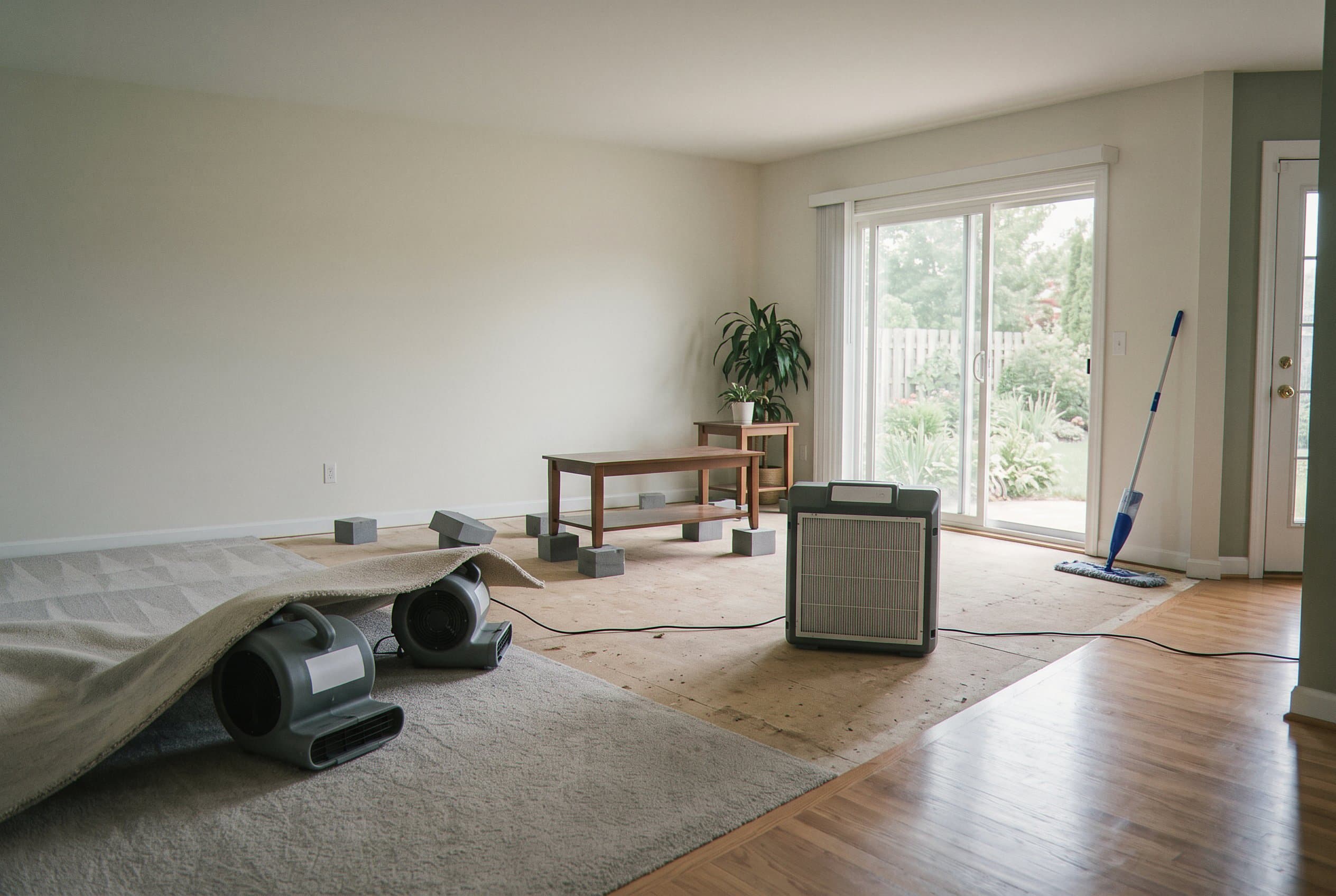
We do not push you to buy machines you will never use again. The job is ours to handle. We bring the pumps, the wands, the meters, and the power we need, and we take it all with us when the water is out. What you are left with is a floor that has been worked down to bare and made ready for the drying stage. Clear results, and no clutter left behind.

  • Submersible pumps for deep standing water in basements
  • Portable wands that draw water up through carpet and pad
  • Moisture meters and a thermal camera to find hidden water
  • Air movers staged the moment the floor is pulled clean
Basement cleaned and dried after extraction
What about the alternatives?

Ways people deal with standing water, ranked

Not every approach to standing water works the same. Here is how the common ones stack up, from what we trust to what tends to backfire.

Professional water extraction

We pump and pull from carpet, pad, and subfloor, then read moisture so nothing stays wet.

Recommended

Truck mounted extraction gear

Moves the most water the fastest, great for finished basements and large spills.

Recommended

Wet dry shop vacuum

Fine for a small damp spot, but it stalls fast against deeper water across a room.

Acceptable

Mopping and towels

Clears what you can see, yet leaves the water that soaked into the pad and floor below.

Acceptable

Fans alone with no extraction

Blowing air over trapped water is slow and lets moisture sit where mold starts.

Skip

Waiting to see if it dries

Standing water does not wait, and every hour it sits the repair only grows.

Skip
How it goes

From quote to walk-on, fast.

01

Your inquiry

Call or send the short form with what is going on at your place. A sentence or two is plenty for the first step.

02

We talk it through

We go over the situation on the phone, ask the questions that matter, and tell you what we would do next.

03

A clear plan

You get a plain-language rundown of the work, the order it happens in, and what to expect on the day.

04

The work gets done

Our crew shows up when we said, does the job, and walks you through the result before leaving.

Before you book

Straight answers before we start

A few things Springfield owners ask us before we pull the water out.

How soon can you get here?
We move fast on standing water. Tell us your address and what you are seeing, and we will get a crew rolling toward your Springfield home. The sooner we extract, the less damage you face.
Will you have to tear out my floor?
Not always. When we extract early, we can often save carpet by drawing water up through the pad. If a floor was soaked for days or hit by sewage, removal may be the safer call. We will tell you straight.
Can I just rent a pump and do it myself?
You can move some water that way, but a rental will not read what soaked into walls and subfloor. Missed water is what turns a small job into a mold problem weeks later.
Is the water under my basement slab a worry?
It can be. Water finds the low point and pools where you cannot see it. We use meters to check the slab edge and the bottom of your walls, not just the open floor.
What about the smell after a flood?
Odor usually means water is still in there somewhere. Full extraction and proper drying handle most of it. If sewage was involved, we clean and treat the area as part of the work.
Can you help with my insurance claim?
We document the loss with photos, moisture readings, and notes so you have a clear record for your claim. We focus on getting your home dry while you handle the paperwork.
Aftercare

Keep water out after the cleanup

Once your home is dry, a few habits keep the next spill from turning into another mess. Springfield winters and the spring melt off the Connecticut River put real pressure on basements. Most water trouble we see traces back to something small that went unchecked for too long. These steps help you catch it early.

  • Test your sump pump every season and keep a backup ready for power loss.
  • Clear gutters and aim downspouts well away from the foundation.
  • Check washer hoses and water heater fittings for slow drips.
  • Seal the cracks where the basement wall meets the floor.
  • Watch for a musty smell, which often means hidden moisture.
  • Know where your main shutoff valve is so you can stop a leak fast.
Water stains on carpeted basement floor
FAQ

Water extraction questions from Springfield homeowners

Ready when you are

Let's make your next steps easier

Tell us what is going on at your Springfield home and we will walk you through the options. One call or one short form is all it takes.

Call (413) 288-6041Make your inquiry
CallContact us