Burst & Frozen Pipe Cleanup · Springfield

Burst and Frozen Pipe Cleanup in Springfield, MA

A pipe lets go and water spreads fast through floors, walls, and ceilings. We answer the phone, get a crew to your Springfield home, and start pulling the water out the same day.

Free Quote

Free Burst & Frozen Pipe Cleanup quote.

We reply within 1 business hour. No spam, ever.

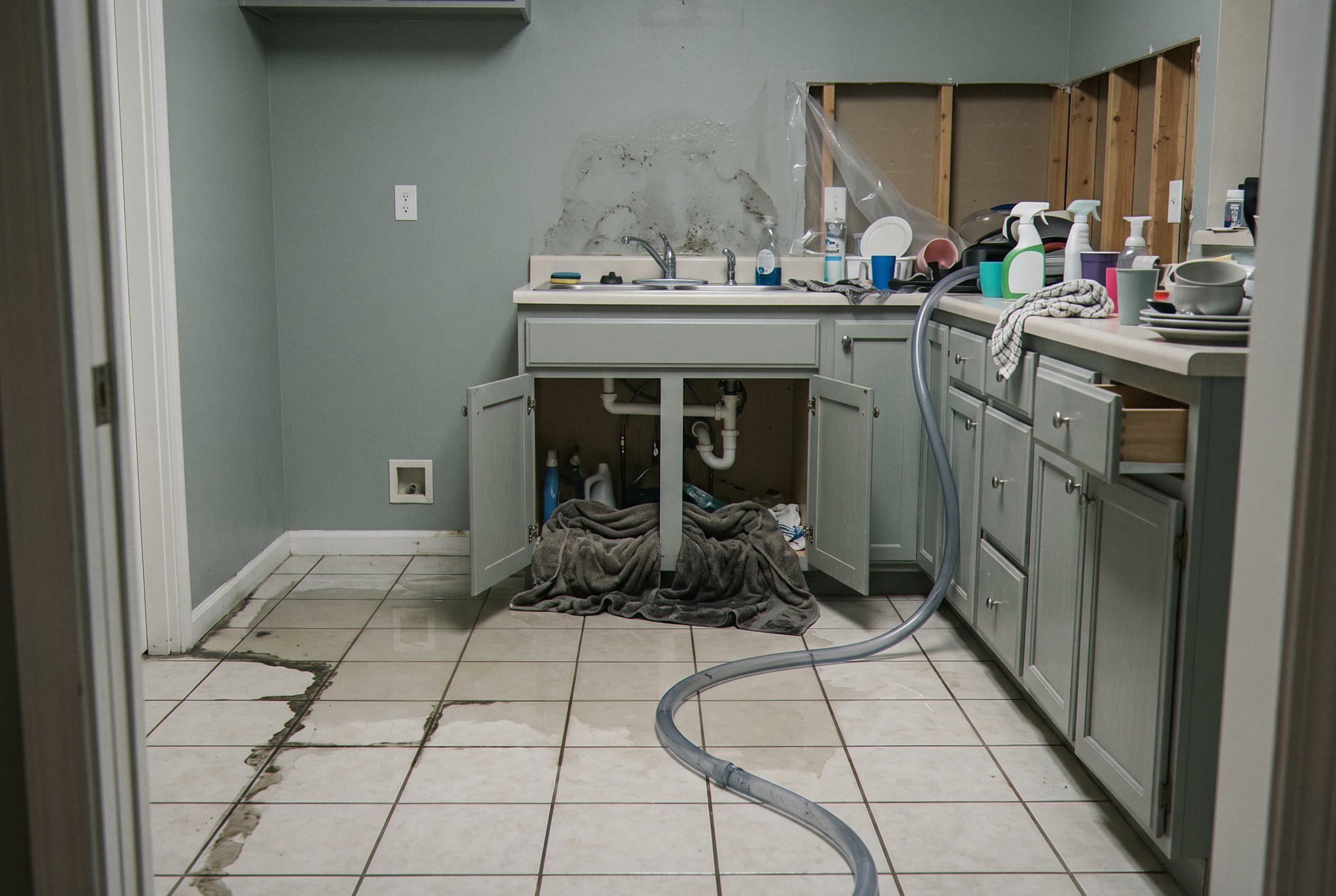
Water damage from burst pipe
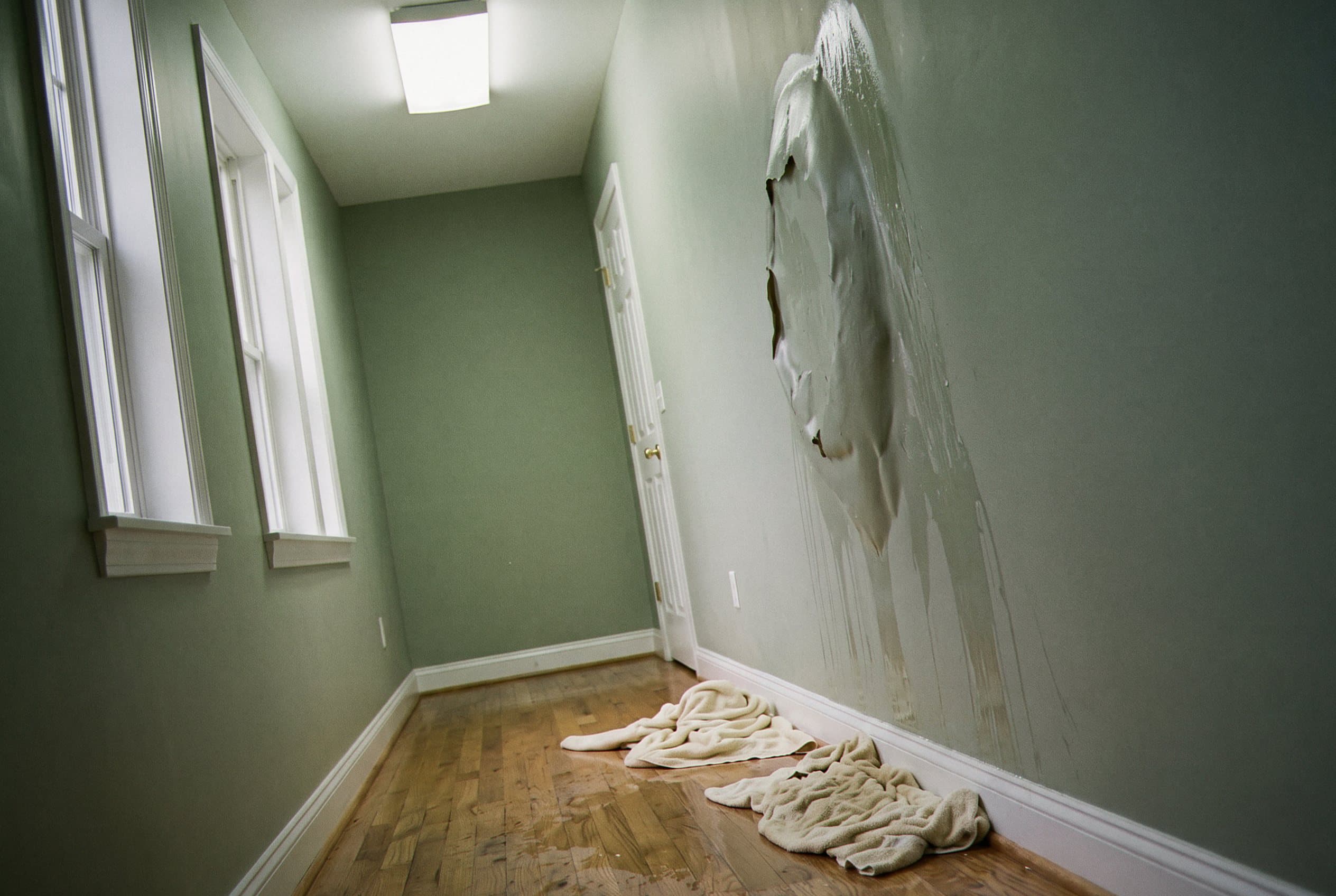
Water soaking through walls
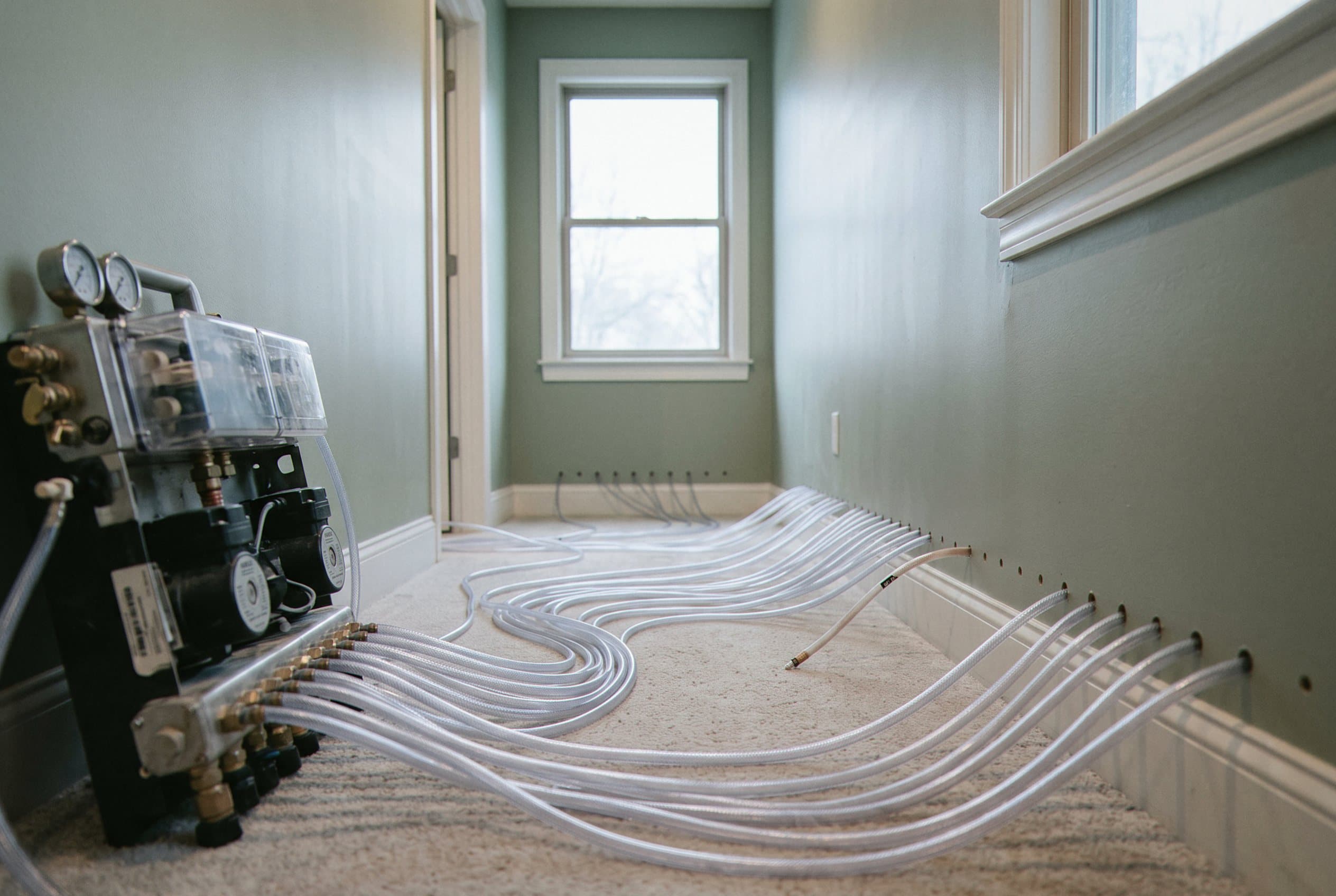
Extraction and drying equipment
What we do

What we do when a pipe bursts in your Springfield home

Springfield winters are hard on plumbing. When the temperature stays well below freezing for days at a time, the water sitting inside a pipe expands as it turns to ice. That pressure has nowhere to go, so the pipe splits. The strange part is that you often do not see the leak until things thaw. Once the ice melts and pressure returns, water pours through the crack and floods the space below. We see this every cold season across the area, from older homes near Forest Park to newer builds out in Sixteen Acres and East Forest Park. The first thing we do is find the source and shut the water off. Then we trace where it went, because a pipe that breaks inside a wall or above a ceiling can spread water far from the spot where it started.

Once the water stops, speed is everything. Standing water soaks into subfloors, drywall, and insulation within hours. A wet basement can grow mold in a day or two if nobody dries it out. Our crew shows up with pumps and extractors to pull the water out, then sets commercial air movers and dehumidifiers to dry the space all the way down to the framing. We do not rely on how things look or feel. We take moisture readings behind walls and under floors with meters, so we know what is still wet and what is not. When those readings come back to normal, the structure is truly dry, not just dry on the surface where you can touch it.

  • We pick up the phone when you call. A crew heads to your Springfield home fast, day or night, even in the deep cold of January and February when frozen pipes tend to split and give out.
  • We stop the leak at the source first. Then we trace exactly where the water ran inside your walls, under your floors, and above your ceilings, so not a single wet spot gets left behind to rot or grow mold.
  • We pump out every bit of standing water. After that, our air movers and large dehumidifiers run for as long as it takes, until the wood framing and the subfloor both read fully dry on our moisture meters.
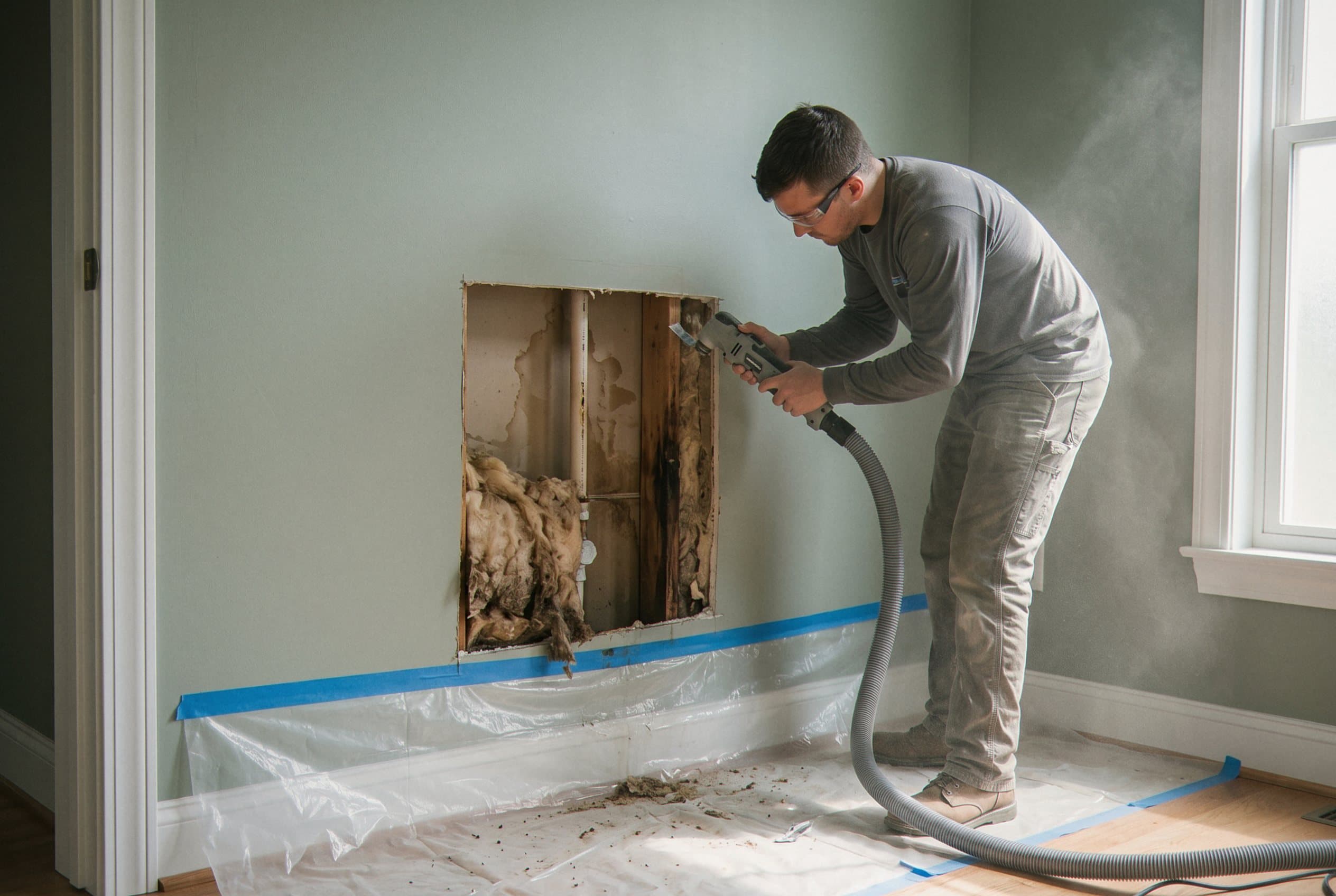
  • We pull out soaked drywall and wet insulation. That one step keeps mold from taking hold in the damp days right after a leak.
  • We log the damage with moisture readings and clear photos. That makes your claim far easier to file with your insurance company.
A burst pipe is a race against the water. The sooner we extract and dry, the less of your home we have to tear out.

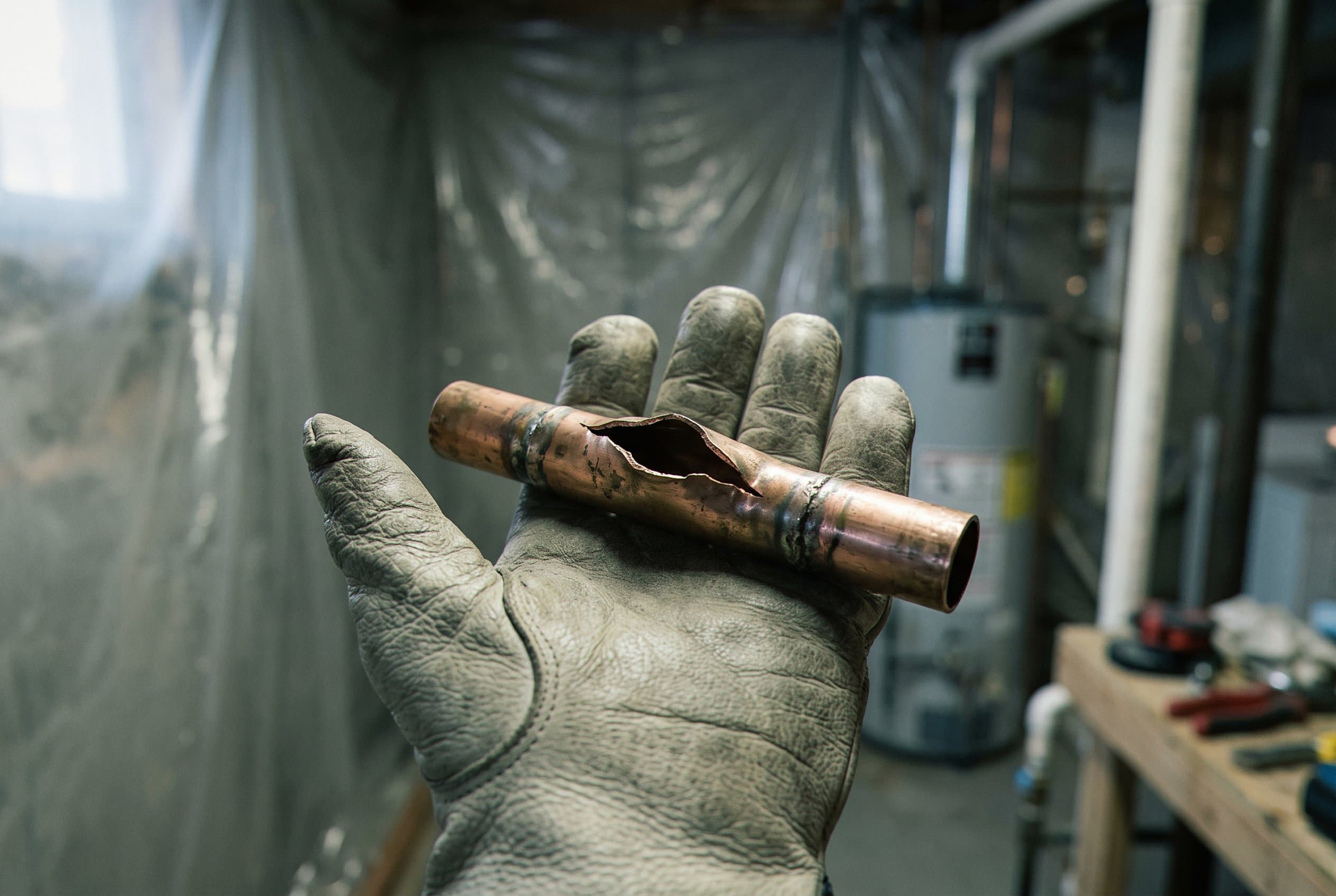
Frozen pipes tend to burst in the same weak spots year after year. The lines most at risk run through unheated basements, crawl spaces, garages, and along exterior walls where cold air reaches them. After we dry the area, we show you where the break started and what left that pipe open to the cold. If a section of pipe has to come out, we handle the wet cleanup and the full drying, then coordinate the repair so your water is back on and the room is whole again. Our goal is simple. We want your home back to normal, with no hidden moisture left in the walls or floor to cause swelling, stains, or mold weeks down the road.

If water is spreading from a pipe in Springfield or a nearby town like Chicopee, West Springfield, Agawam, or Holyoke, call us now. We will walk you through shutting off the water if it is still running, then send a crew out to start the cleanup right away. Cold weather does not wait, and neither do we. The faster we get there, the less of your home we have to take apart to make it right.
Materials

What we bring on a burst pipe call

A frozen line that splits almost never dumps its water somewhere you can reach with a mop. It runs down inside a wall cavity, tracks along the top plate, and comes out through a ceiling two rooms away from the break. So the first tools off our truck are the ones that find water, not the ones that move it. A moisture meter reads what the framing and the subfloor are actually holding. A thermal camera shows us the cool track the water left behind the paint, which tells us how far it traveled before it stopped. Only once we have that whole wet map do we decide how much of the wall has to come open and how much of it can stay right where it is. Guessing at this stage is what turns a small repair into a gutted room.

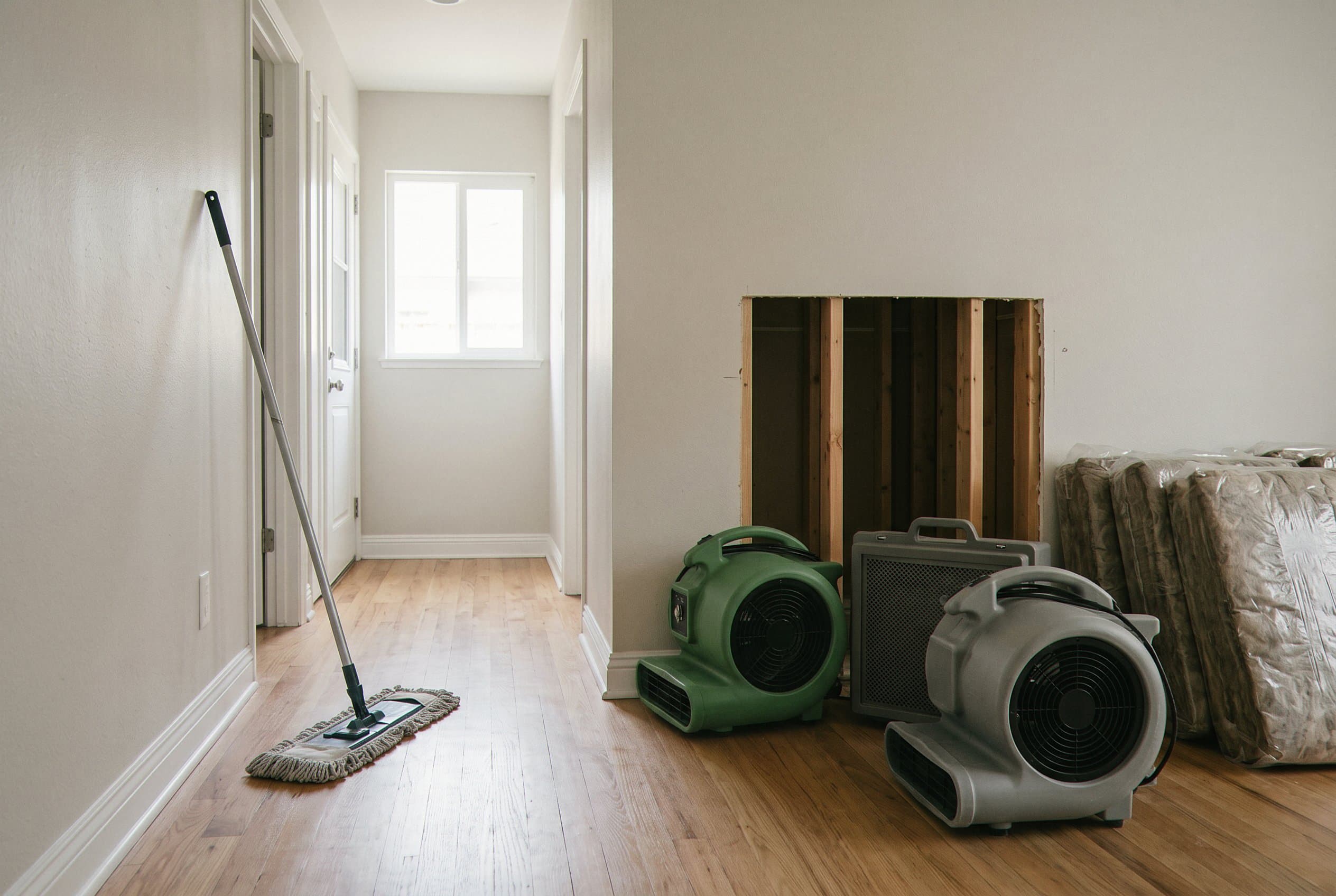
Then the water comes out. Submersible pumps handle a flooded basement floor, and extraction wands pull what soaked down into carpet and pad. After that the drying gear goes in. Air movers push a hard current of air across every wet surface while dehumidifiers pull that moisture out of the room instead of letting it drift into the next one. In a deep cold snap we watch the temperature too, because a basement sitting near freezing will barely give up its moisture no matter how many fans you point at it. When a space is too cold to dry, we add heat. Every machine we set up gets monitored while it runs, and all of it leaves with us once the readings come back where they belong.

  • Moisture meters and a thermal camera to map the full wet area first
  • Submersible pumps and extraction wands for standing water and soaked pad
  • Air movers and dehumidifiers sized to the room instead of guessed at
  • Added heat when a cold Springfield basement stalls the drying
Cleanup process in progress
Restored area after cleanup
What about the alternatives?

Ways people handle a burst pipe, ranked

When a line lets go, the choice you make in the first hour decides how much of the room survives. Here is how the common moves stack up in our experience around Springfield.

Shut the water off, then get a crew out same day

Stopping the flow and starting extraction while the water is still on the surface usually holds the damage to one room instead of three.

Recommended

Thaw a frozen line with gentle heat

This works on a line that has not opened yet, though it does nothing once the pipe is already cracked and running.

Acceptable

Open the wall yourself to hunt for the break

Sometimes it lands on the right spot, but a wrong guess leaves you with holes in the drywall and water still moving behind them.

Acceptable

Shop vacuum, towels, and a box fan

Fine for a small drip under a fixture, yet none of it reaches the water sitting inside the cavity or soaked into the pad.

Acceptable

Fans alone with the windows thrown open

Cold winter air holds almost no moisture, so open windows in February slow your drying down instead of speeding it up.

Skip

Wait and see whether the ceiling stain dries

Wet insulation and wet framing stay damp for weeks behind a surface that looks fine, and that is exactly the condition mold wants.

Skip
How it goes

From quote to walk-on, fast.

01

Your inquiry

Call or send the short form with what is going on at your place. A sentence or two is plenty for the first step.

02

We talk it through

We go over the situation on the phone, ask the questions that matter, and tell you what we would do next.

03

A clear plan

You get a plain-language rundown of the work, the order it happens in, and what to expect on the day.

04

The work gets done

Our crew shows up when we said, does the job, and walks you through the result before leaving.

Before you book

Straight answers about a burst pipe

The questions Springfield owners ask us while the water is still on the floor.

The pipe is frozen but has not split yet. Should I still call?
Yes, and call before you thaw it. A line frozen solid is under real pressure, and the crack often shows itself the moment the ice lets go and the flow returns. We would rather look at the run with you and be standing there ready than get the call at midnight after it opens.
Do you fix the pipe itself?
Our work is the water. We stop the spread, pull the water out, dry the structure down to the framing, and open up only what has to come open. When the plumbing repair needs to happen, we time it with the drying so the wall goes back together once and stays closed.
How much of my wall has to come out?
Only the part that reads wet on the meter. Very often that is a low band along the bottom of the sheet rather than the whole thing, and in a ceiling it may be two or three feet around the stain. Cutting less means putting less back, and it means your rooms are usable again sooner.
It happened while we were away for the week. Is it too late?
Not always, and we would much rather look than assume the worst over the phone. Water that ran for days does more harm, so more material comes out and the drying runs longer. Even then, a proper dry down stops the moisture from creeping into rooms that are still sound.
Will this go on my insurance claim?
That is between you and your carrier, and every policy reads a little differently. What we control is the record. Photos, moisture readings, a written note of what came out and why, and readings taken again at the end so your adjuster can see the whole job.
Can I run my own dehumidifier and skip the crew?
A household unit pulls a small amount of water out of the air in a closed room, and that is all it does. It will not reach what is sitting inside a wall cavity or under a hardwood floor. That trapped water is what causes the swelling, the dark stains, and the musty smell people call us about weeks later.
Aftercare

Keeping the next cold snap from splitting a line

Once your home is dry, the job shifts to making sure the same pipe does not go again next January. Around Springfield the breaks cluster in the same places every winter. Basements that never see heat, the crawl area under an addition, an attached garage, and any supply line that was run through an outside wall. Hampden County gets long stretches where the temperature stays below freezing day and night, and a pipe only needs one of those stretches to fail. A few hours of work on a Saturday in the fall is worth far more than another cleanup in the dark, and most of what matters is simple to do yourself.

  • Wrap the pipe that runs through unheated basement space, crawl areas, and the garage.
  • Drain the outdoor hose bibs and close the valves that feed them before the first hard freeze.
  • Keep some heat on in rooms you barely use, especially if the house sits empty for a stretch.
  • Open the cabinet doors under any sink that backs to an outside wall during a cold snap.
  • Seal the gaps where a pipe passes through the rim joist and cold air pours in around it.
  • Tag your main shutoff and check once a season that the valve still turns by hand.
Kitchen before pipe burst damage
FAQ

Common questions about burst and frozen pipe cleanup

How fast can you get to my Springfield home?
Our crew handles water damage restoration across Springfield, so most calls put us at your door within a couple of hours. If you are out toward Chicopee, West Springfield, or Agawam, the drive is short too. Storm nights get busy. When they do, we tell you a real window instead of a vague promise, and we keep you posted if it moves.
What should I do before your crew arrives?
Shut the water off at the main valve if the leak is still running. Kill the power to any room with standing water, then move rugs, shoes, and small furniture out of the wet zone. Take photos before you move much, since your insurance adjuster will want them. Skip the shop vacuum and let our gear handle the volume.
Do you work with my insurance company?
Yes. We log moisture readings, photos, and daily drying records the way adjusters expect to see them, then send that file straight to your carrier. You still own the claim and the choice of who does the work. We are glad to walk the scope through with your adjuster by phone, because the paperwork is usually the slow part of a Springfield claim.
How long does drying take?
Drying is the slow half of water damage restoration. Most homes come dry in three to five days once the water is out and the air movers are running. Wet plaster, hardwood, and the old fieldstone basements common around Hampden County can stretch that. We take meter readings every day, so the gear comes out when the structure is truly dry and not when the calendar says so.
Will there be mold after water damage?
It can, and speed is what decides it. Mold starts working within a day or two when wet material stays wet, so the faster the drying begins, the less chance it has. If growth has already taken hold, we seal off the area and clean it out following EPA guidance. Either way we tell you plainly which of the two you are looking at.
Ready when you are

Let's make your next steps easier

Tell us what is going on at your Springfield home and we will walk you through the options. One call or one short form is all it takes.

Call (413) 288-6041Make your inquiry
CallContact us