
Structural Drying & Dehumidification · Springfield

Structural Drying and Dehumidification in Springfield, MA

The water is gone, but your home is still wet inside. We set powerful air movers and dehumidifiers that pull moisture out of your walls, floors, and framing across Springfield and the Pioneer Valley.

Free Quote

Free Structural Drying & Dehumidification quote.

We reply within 1 business hour. No spam, ever.

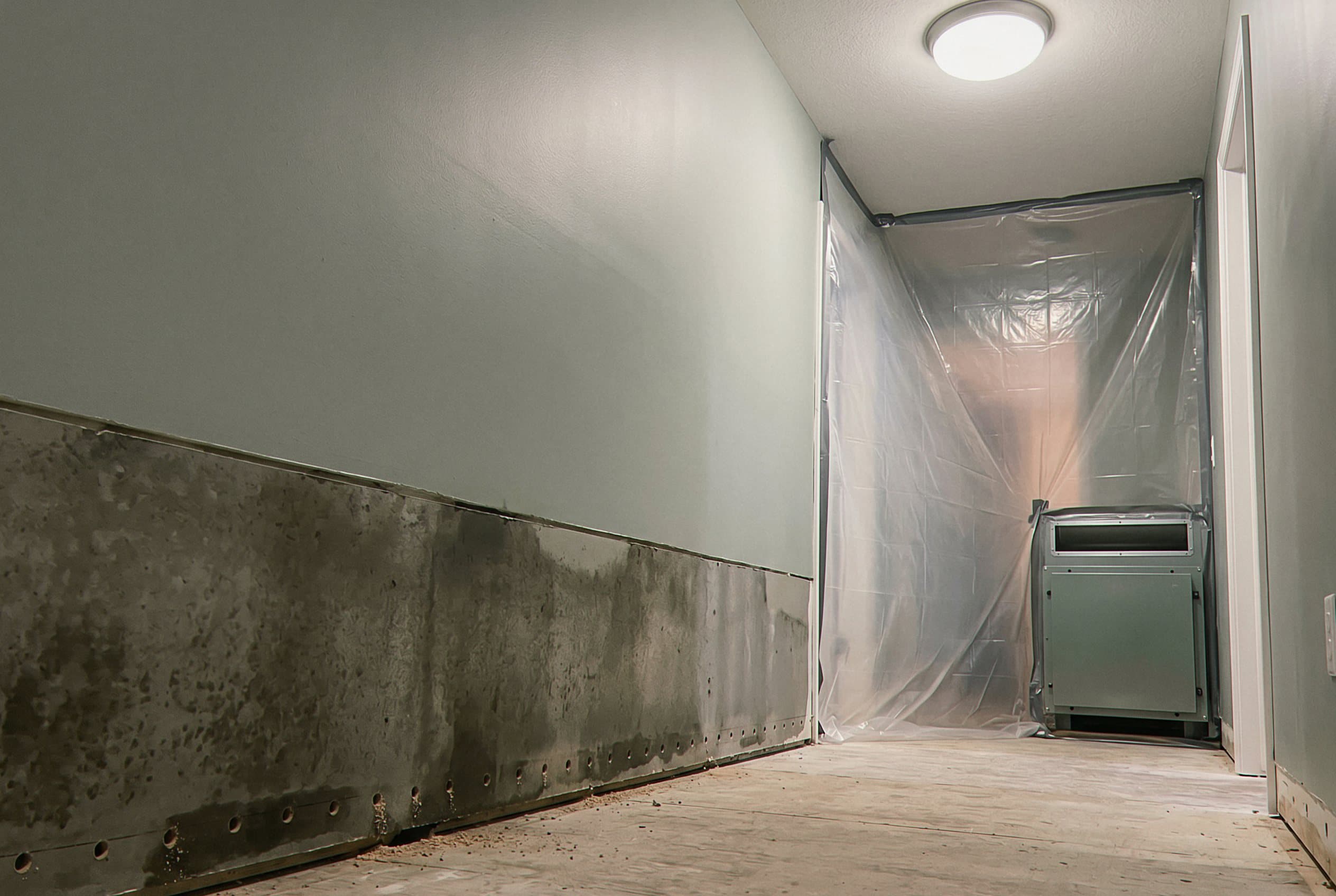
Wet drywall showing water damage
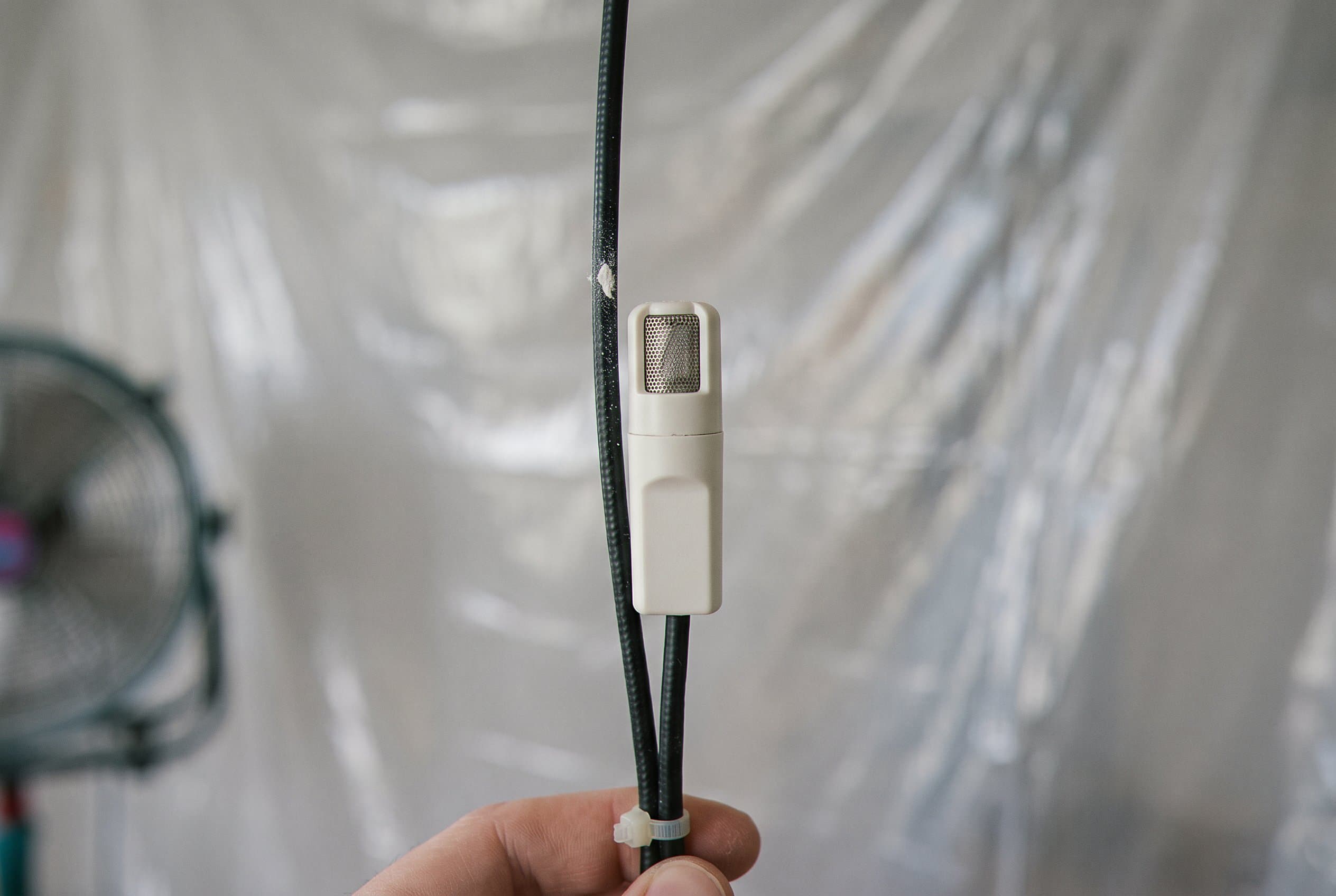
Close-up of moisture in wall cavity
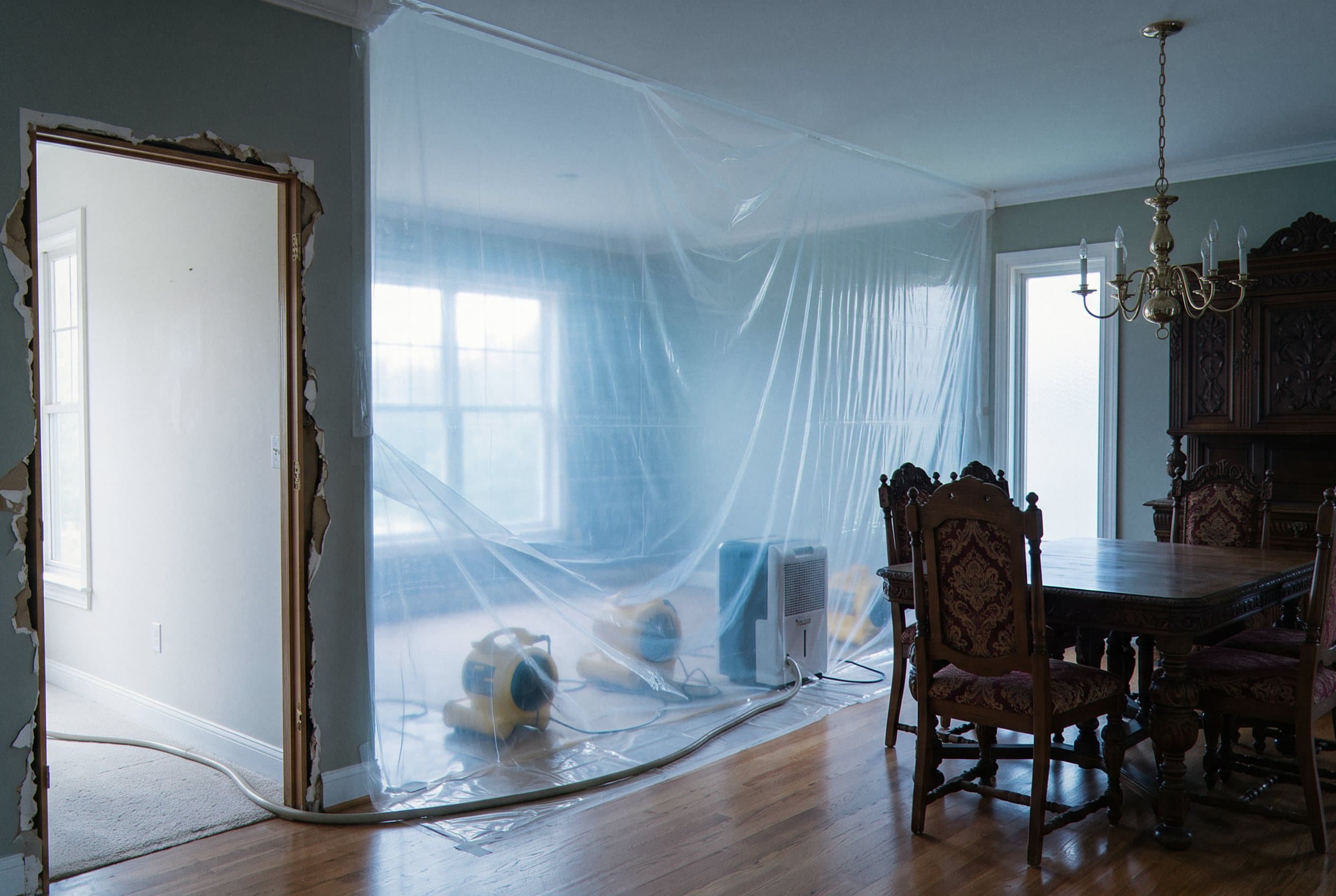
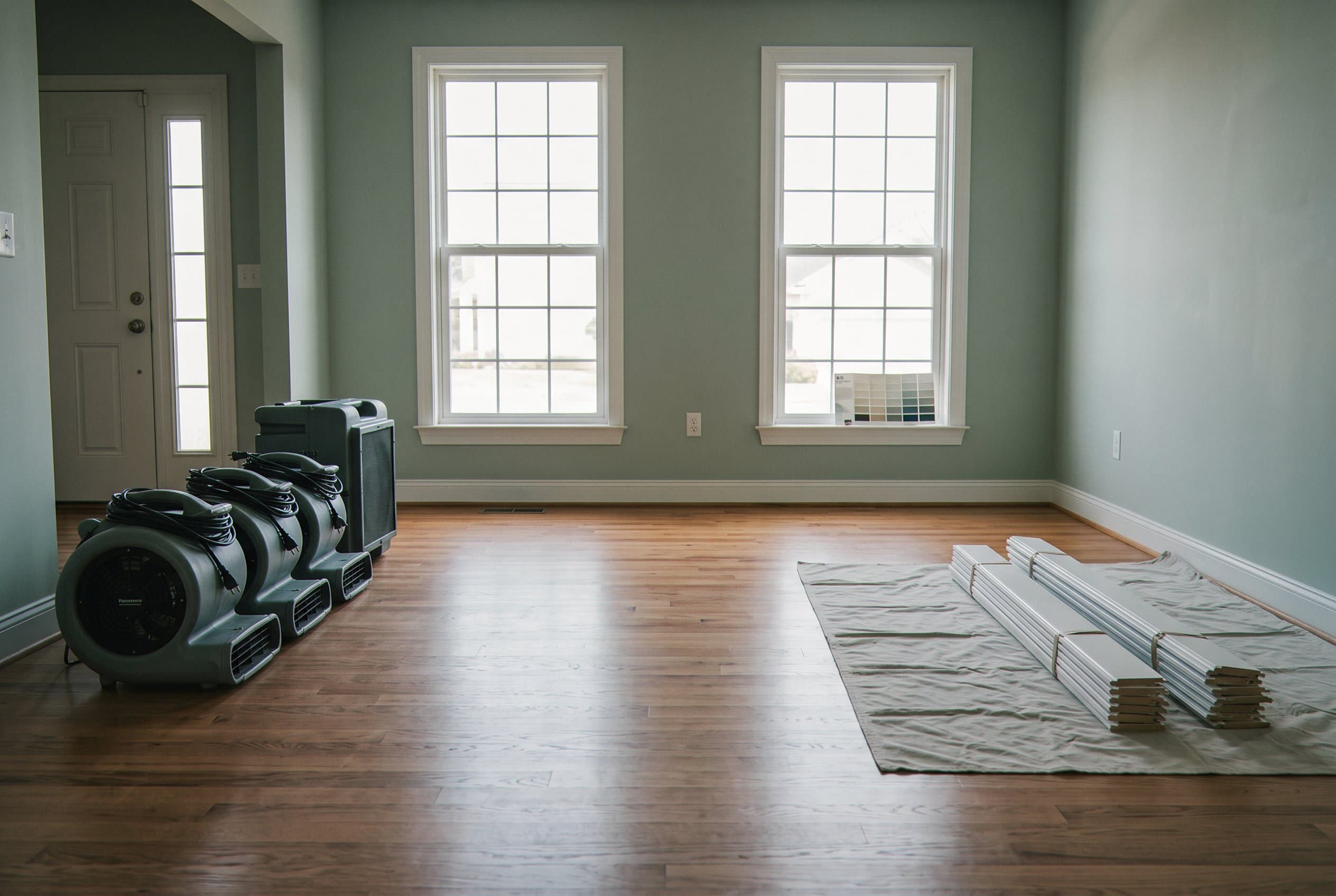
Air movers and dehumidifiers running
What we install

Why structural drying matters after the water is out

When water floods a Springfield basement or soaks a first floor, the cleanup you can see is only half the job. Water wicks deep into drywall, into the wood framing, and down into the subfloor under your feet. It hides inside wall cavities where a towel will never reach. Our crew treats that hidden water as the real threat, because it is. Left alone, trapped moisture feeds mold, warps hardwood, and rots the framing that holds your home up. Pull it out fast and you save the structure. Wait too long and small repairs turn into large ones.

Drying a home is not the same as airing it out. Open windows do little when the air outside is humid, which it often is through a Pioneer Valley summer. We measure the moisture in your materials with meters, set a target dry standard, and then build a drying chamber sized to the room. Air movers sweep the surfaces while dehumidifiers pull the released water out of the air. We check the numbers each day and adjust until the framing reads dry, not just the paint.

  • We find moisture hiding inside walls and under floors with meters, not guesswork.
  • Fast drying stops mold before it starts, often within the first two days.
  • Saving wet framing and subfloor means fewer rooms torn out and rebuilt.
  • We track the moisture readings daily and show you the progress.
  • Our crew works across Springfield, Chicopee, Holyoke, and West Springfield around the clock.
Surface dry is not the same as structure dry. We do not stop until your walls and framing read safe on the meter.

Every drying plan is shaped by the room and the water that caused it. A finished basement holds water differently than a tiled kitchen or a carpeted bedroom. The kind of water matters too. A clean supply line leak is handled one way. River water that backed up during a heavy storm is handled another. The goal stays the same in every case. We dry the structure to a safe, stable level, so your home is sound and ready for any repairs it still needs.

If your Springfield home took on water, the clock is already running. Call us and our crew will set drying equipment fast, measure what is wet, and stay on it until the readings come back clean. We answer the phone ourselves and we do the work ourselves. No runaround, just a dry home.
Materials

The drying equipment we bring and how we use it

Good drying comes down to moving air and removing water, in the right balance, for the right amount of time. We bring commercial air movers that sweep moisture off surfaces and into the air. We pair them with refrigerant and desiccant dehumidifiers that capture that water and carry it away. Heat helps too, since warm air holds more moisture and dries materials faster. None of this is magic. It is the basics done well, sized to your room and checked every day.

We do not leave a pile of rented gear running and walk away. Each machine has a job and a place. We set them by the moisture map we take on the first day. Air movers point along the wet walls, not at random. Dehumidifiers sit where they pull the most water. We come back to read the meters, move equipment as rooms dry, and pull the gear once your framing hits a safe and stable number.

  • Air movers to lift moisture off floors, walls, and framing
  • Refrigerant and desiccant dehumidifiers to capture the released water
  • Moisture meters and sensors to track real progress, not guesses
  • Containment to focus drying on the wet rooms and protect the rest
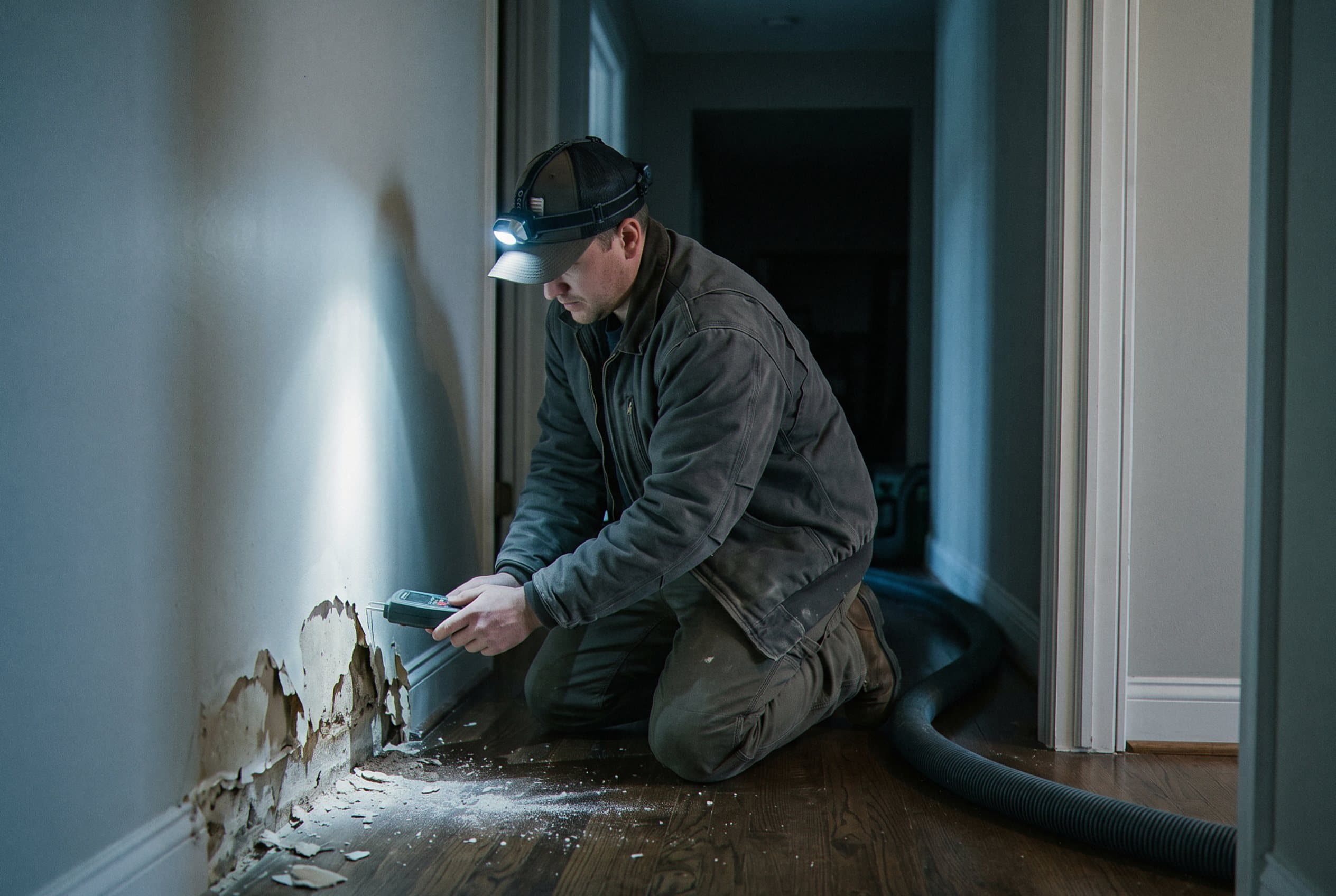
Drying process underway in basement
Structure fully dried and restored
What about the alternatives?

Ways to dry a wet home, and what we recommend

Not every drying method fits every job. Here is how the common options compare for a Springfield home after water damage.

Professional structural drying

Metered equipment sized to the room and checked daily until the framing reads dry. This is what saves the structure.

Recommended

Box fans and open windows

Helps a little on a dry day, but cannot pull moisture from inside walls or beat Pioneer Valley humidity.

Acceptable

A single rented dehumidifier

Better than nothing in a small room, yet one unit rarely dries a soaked basement on its own.

Acceptable

Home heat turned up

Speeds drying when paired with real airflow and moisture removal, though it does little by itself.

Acceptable

Tearing out everything that got wet

Sometimes needed, but ripping out framing that could have been dried wastes money and time.

Skip

Waiting to see if it dries on its own

The most costly choice. Hidden moisture feeds mold and rot while you wait.

Skip
How it goes

From quote to walk-on, fast.

01

Your inquiry

Call or send the short form with what is going on at your place. A sentence or two is plenty for the first step.

02

We talk it through

We go over the situation on the phone, ask the questions that matter, and tell you what we would do next.

03

A clear plan

You get a plain-language rundown of the work, the order it happens in, and what to expect on the day.

04

The work gets done

Our crew shows up when we said, does the job, and walks you through the result before leaving.

Before you book

Common worries about structural drying

Most Springfield homeowners have the same questions once the water is out. Here are straight answers.

Can you just rip it out instead of drying?
Sometimes removal is the right call. A lot of wet framing and subfloor can be dried in place and saved instead. We measure first, then tell you honestly what can stay and what has to go.
How long does drying take?
Most homes dry in three to five days, though a deep basement soak can run a good deal longer than that. We do not guess at it. The meters tell us when the structure is dry, and we keep the equipment running until the numbers say it is done.
Will the equipment be loud and use a lot of power?
The machines do run steadily and they draw power while they work. We place only what the room needs and pull units as areas dry. That short stretch of noise is far cheaper than the mold and rot that follow a slow dry.
Do I have to leave my home while you dry it?
Usually you do not have to leave. Most drying happens with you still living there, because we contain the work to the wet rooms and keep the rest of the house clear.
How do I know it is really dry inside the walls?
We read the moisture with meters set against a dry standard taken from an untouched part of your home. When the wet materials match that baseline, your structure is dry.
What if there is already a musty smell?
A musty smell is a warning. It often means moisture has sat long enough to start mold, so the faster we dry, the less of it you face.
Aftercare

Keeping your home dry after we leave

Once the structure reads dry and the gear comes out, a few habits keep moisture from creeping back into your Springfield home. The seasons do the testing. New England summers run humid and the winters bring snow and ice, so the threat you face changes through the year. A little attention goes a long way.

  • Run a basement dehumidifier through the humid Pioneer Valley summer and empty it often.
  • Keep your gutters clear so storm water drains away from the foundation instead of pooling against the walls of your basement.
  • Watch the roof for ice dams during a hard Springfield winter, and pull the snow back before the melt finds its way inside.
  • Check around water heaters, washing machines, and supply lines for slow leaks.
  • Grade the soil so it slopes away from the house and rain cannot pool at the walls.
  • Call early. A small stain today is far cheaper to fix than a soaked wall next month.
Wet drywall showing water damage
FAQ

Structural drying questions Springfield homeowners ask

Ready when you are

Let's make your next steps easier

Tell us what is going on at your Springfield home and we will walk you through the options. One call or one short form is all it takes.

Call (413) 288-6041Make your inquiry
CallContact us