
Sewage Cleanup · Springfield

Sewage Cleanup in Springfield, MA

A sewage backup in your Springfield home is a real health hazard, not just a foul mess in the basement. We take these calls day or night, arrive fast, and clean it out the right way so your family stays safe.

Free Quote

Free Sewage Cleanup quote.

We reply within 1 business hour. No spam, ever.

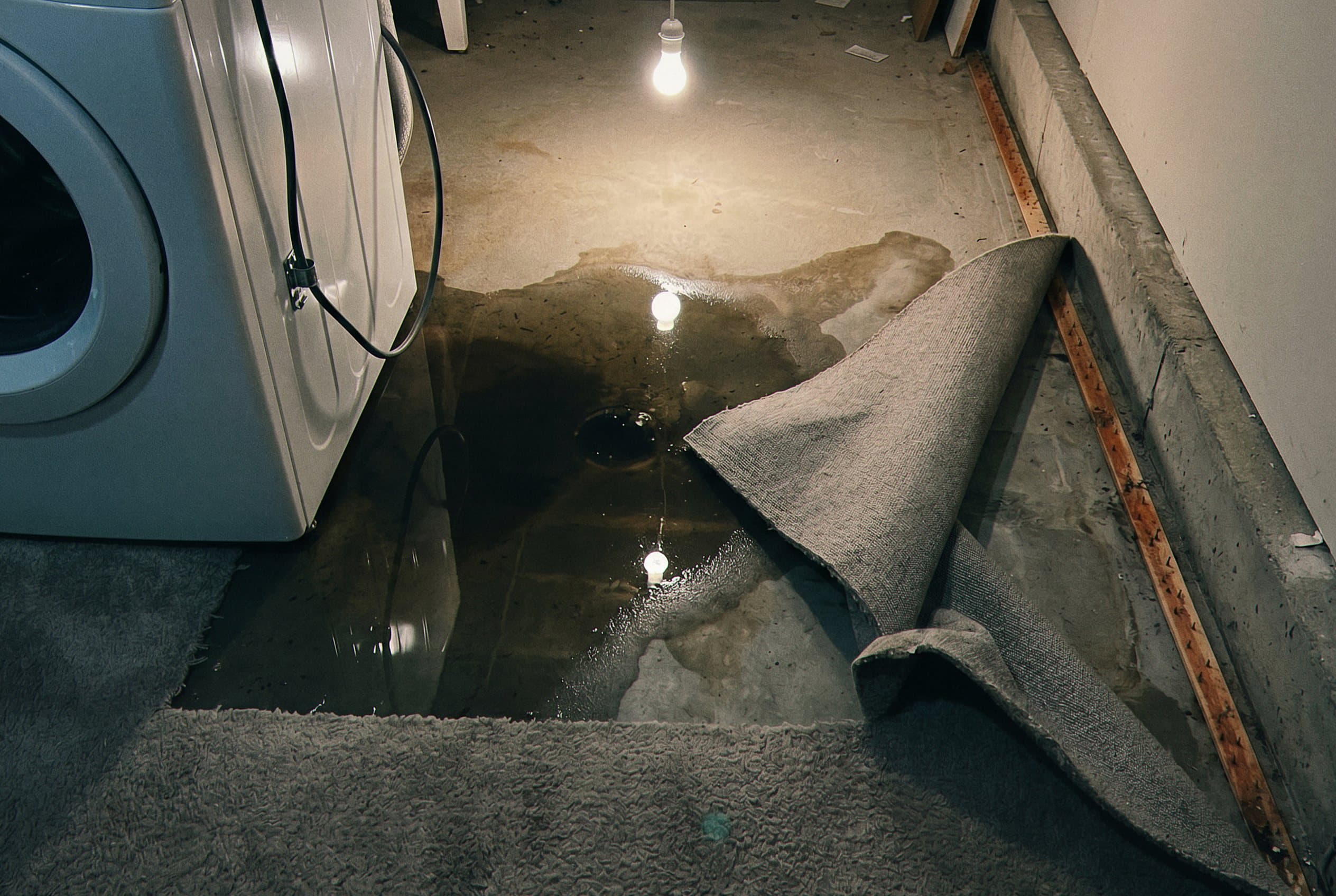
Sewage backup in basement
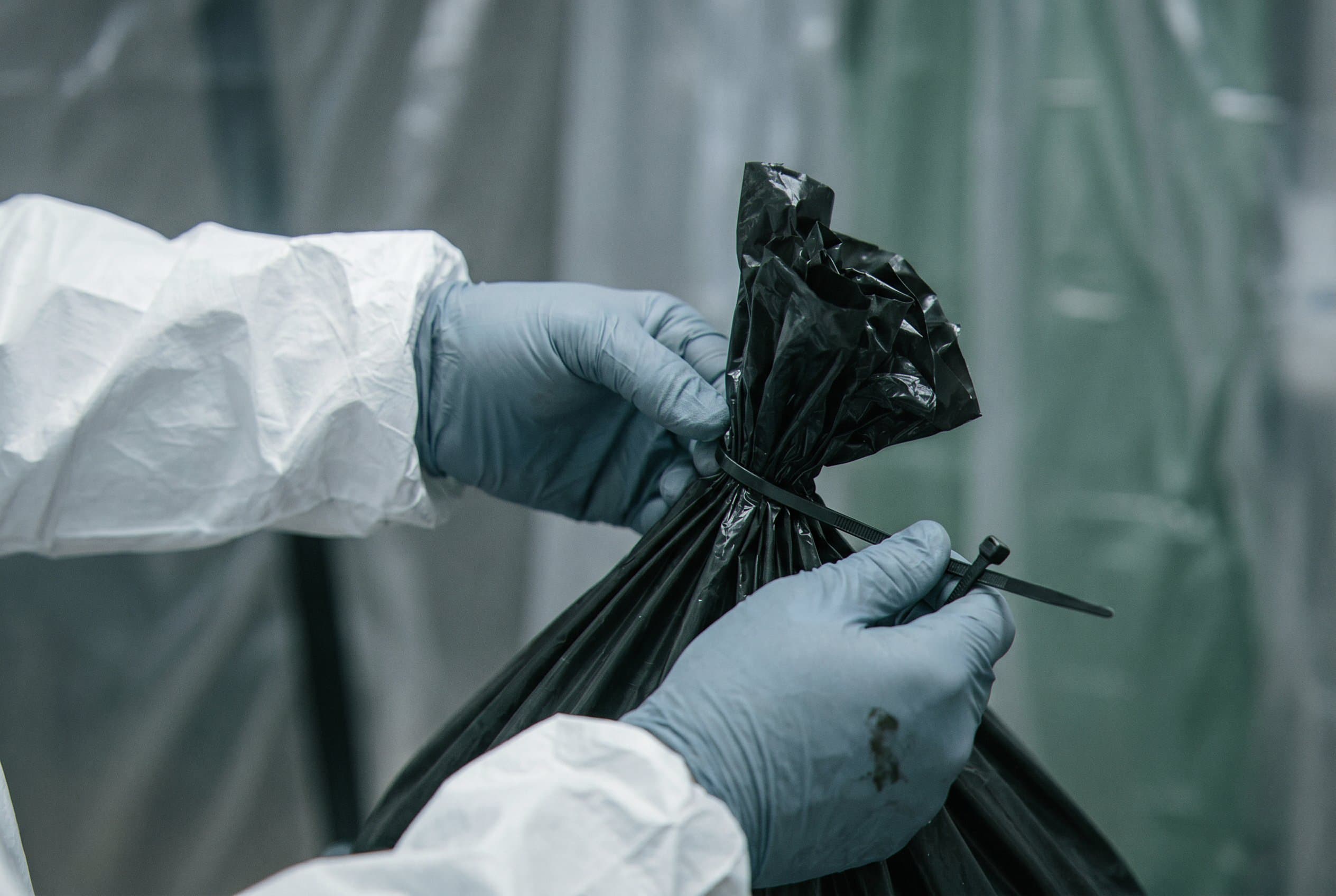
Contaminated area closeup
What we do

Why a Sewage Backup Needs a Fast, Careful Response

Sewage that backs up into your home is not clean water at all. It carries bacteria, viruses, and raw human waste, and people get sick from it fast. We treat every backup in Springfield as a biohazard from the minute we walk in the door. Heavy rain across Hampden County can overload the old city sewer, and when the main has nowhere left to go, it pushes that waste straight back into the lowest drain in your house. Usually that means the basement. Finished walls, stored boxes, and carpet soak it up. The smell hits first. The real damage is what you cannot see, because it seeps deep into block, wood, and subfloor while it sits. The longer it waits, the worse it gets. So we move quick. Speed here keeps a bad day from turning into weeks of repair work.

Our crew finds the source first and shuts it down so no more waste can get in. We pump out the standing sewage, bag the solid waste, and haul off anything too soiled to save, like soaked carpet, pad, and swollen baseboard. Then we scrub. We disinfect every hard surface the water touched, working from clean spots toward dirty ones so we never spread it back across the room. We follow IICRC rules for category three water, the dirtiest class of loss there is. Once the surfaces are clean, we run air movers and dehumidifiers to dry the rooms. We check the framing and subfloor with meters. We do not call a job done until the readings come back dry. A basement can feel dry on top and still hold water deep in the block.

  • Our line is open at any hour, and a sewage call in Springfield goes straight to the front of the list.
  • Every backup is handled as a biohazard. The whole area gets fully cleaned and treated, not just mopped over.
  • We remove the standing sewage and the soiled materials, then haul every bit of that waste off your property.
  • We dry the structure with air movers and dehumidifiers, then confirm it with moisture meters. No guesswork at all.
  • We log the loss with clear photos and daily readings, so your insurance claim has the proof it needs.
Sewage cleanup is about safety first. We never cut corners on the cleaning step, because the health of your family is what is truly on the line here.

Sewage does not stay where it lands. It wicks up baseboards and seeps under tile. It soaks into the porous block of an old Springfield basement, then hides there. We pull base trim and drill small weep holes when wall cavities are wet, so trapped water can drain out and dry instead of feeding mold later. We also watch for sewer gas. It can build up after a backup and linger in a closed basement for days. We ventilate and deodorize the space too, so the foul smell does not settle into the rest of the home. We log the loss with photos, moisture readings, and notes, which makes the insurance side much easier on you. When the job is done, we walk you through every surface we cleaned. We point out what still needs repair, and we tell you straight when the home is safe to use again.

If raw sewage has backed up into your Springfield home, do not wait and please do not try to clean it up yourself. Call us now. We will get a trained crew moving toward you and have the mess removed, treated, and dried before it spreads any further through your house.

Materials

The gear and cleaners we bring to a sewage job

Sewage work calls for gear you will not find on a hardware store shelf. We arrive with truck mounted pumps that lift the standing waste and the solids out in one pass. Our crew works in full suits, gloves, boots, and respirators, because the air over a fresh backup is not something anyone should breathe. We tape plastic across the doorways and run negative air machines with HEPA filters, so the foul air leaves the house instead of drifting up into the kitchen. Hard surfaces get scrubbed with cleaners rated for this class of loss. Then we go over them a second time. The first pass moves what you can see. The second pass is the one that makes the room safe again.

Porous material does not get saved, and we will not pretend otherwise to spare you a tear out. Carpet, pad, and the paper face of drywall hold waste deep in the fibers where no cleaner reaches, so we cut it out and bag it right at the wall. Wood framing and block are a different story. Those we can usually clean in place and dry, and we would rather save the bones of your basement than gut it. After the scrubbing we fog the room with an antimicrobial to reach the corners a rag will never touch. Air movers and dehumidifiers go in last and run until the meters read dry. We write the numbers down each day. If a wall cavity is still wet, the units stay and keep pulling.

  • Truck mounted pumps that lift standing waste and solids
  • Full suits, gloves, and respirators on every crew member
  • Negative air machines with HEPA filters to hold the foul air in one room
  • Antimicrobial fogging, then meters to prove the space is dry
What about the alternatives?

Your options after a sewer backup, compared

A backup puts you on the spot, and the advice online runs from useless to harmful. Here is a straight read on each path so you can choose fast and choose well.

Call our crew right away

We come in the right gear, pump the waste out, strip what cannot be saved, then clean and dry the space to the standards written for this class of loss. The right call for any real backup.

Recommended

Call a plumber first

A plumber clears the blocked line, and you likely do need one. Clearing the pipe stops the flow. It does nothing about the waste already soaking into your floor, your walls, and everything stored down there.

Acceptable

Report it to the city

Worth a call if several homes on your street flooded in the same storm, because the trouble may sit out in the public main. The city crew will not clean the inside of your house.

Acceptable

Mop it up and open the windows

That works for a cup of clean water by the door. Sewage soaks into block and subfloor, and moving air alone will never pull it back out or make the surface safe to touch.

Acceptable

Pour bleach on the floor and call it done

Bleach on a wet, dirty floor mostly makes fumes. It cannot reach the waste sitting under the tile or inside the wall cavity, so the smell comes back within the week.

Skip

Wait and see if the smell fades

It will not fade. Bacteria feed on what got left behind, mold can take hold in about two days, and the repair bill climbs for every day the room sits wet.

Skip
How it goes

From quote to walk-on, fast.

01

Your inquiry

Call or send the short form with what is going on at your place. A sentence or two is plenty for the first step.

02

We talk it through

We go over the situation on the phone, ask the questions that matter, and tell you what we would do next.

03

A clear plan

You get a plain-language rundown of the work, the order it happens in, and what to expect on the day.

04

The work gets done

Our crew shows up when we said, does the job, and walks you through the result before leaving.

Before you book

What Springfield homeowners ask before we start

These are the questions we field most often on a sewage call. Here are plain answers, with nothing dressed up.

Is it safe for my family to stay in the house?
Keep everyone off the flooded level, and keep kids and pets well away from it. The rest of the home is usually fine once we seal the area and run air scrubbers. If the backup is large, or the odor has already climbed the stairs, we will say plainly that a night somewhere else is the better move.
How fast can you get to my home?
Our line is open at any hour and sewage goes to the top of the board. When a hard rain hits the valley and homes across Hampden County back up in the same night, we work them by how bad the water is, and we tell you honestly where you sit in the order.
Will my insurance pay for this?
Many policies cover a sewer backup only when that rider was added, so it comes down to your paperwork. We cannot read your policy for you. What we can do is photograph every room, log the moisture numbers each day, and hand your adjuster a record that is easy to follow.
Do I really have to lose the carpet?
Carpet and the pad under it come out once raw sewage has been in them. That is not us playing it safe, it is what the standards call for, because the fibers hold what no cleaner can reach. Tile, concrete, framing, and block can usually be cleaned and kept.
Why not just clean it up myself?
People try, and a fair number of them get sick. Sewage carries bacteria and viruses, the air above it is foul, and a shop vacuum sprays a fine mist of it back into the room. Gear and training matter more on this job than on any other kind of water loss.
Will the smell come back in a month?
Not when the work is done properly. Odor returns because someone wiped the surface and left wet material sealed inside a wall. We open those cavities, dry them down to a number we can show you, then deodorize the whole level before we pack up.
Aftercare

Keeping the sewer out of your basement

Once the room is clean, the point is never doing this again. Plenty of Springfield homes still drain through clay lateral lines that went in the ground generations ago, and tree roots find every cracked joint. Heavy rain loads the public sewer through the valley, and that is the hour when waste looks for the lowest drain in the neighborhood. None of the steps below take much time or effort. They simply need to happen before the next big storm rather than after it.

  • Have your lateral line scoped with a camera every couple of years, so roots and cracks turn up long before they close the pipe off.
  • Ask a plumber about a backwater valve on the main line, because it shuts by itself the moment the sewer tries to push the wrong way.
  • Keep grease out of the kitchen sink. It cools inside the pipe, hardens against the wall of it, and narrows the line a little more every month.
  • Flush waste and toilet paper only. Wipes sold as flushable do not break apart, and they sit behind a good share of the clogs we get called out for.
  • Put a cover on the basement floor drain, and keep boxes, tools, and stored bins up on shelves or pallets instead of down on the slab.
  • Learn the early warning signs. A gurgling toilet, a slow tub, or a drain that burps when the washing machine empties all say the line is going.
Sewage backup in basement
FAQ

Sewage Cleanup Questions From Springfield Homeowners

How fast can you get to my Springfield home?
Our crew handles water damage restoration across Springfield, so most calls put us at your door within a couple of hours. If you are out toward Chicopee, West Springfield, or Agawam, the drive is short too. Storm nights get busy. When they do, we tell you a real window instead of a vague promise, and we keep you posted if it moves.
What should I do before your crew arrives?
Shut the water off at the main valve if the leak is still running. Kill the power to any room with standing water, then move rugs, shoes, and small furniture out of the wet zone. Take photos before you move much, since your insurance adjuster will want them. Skip the shop vacuum and let our gear handle the volume.
Do you work with my insurance company?
Yes. We log moisture readings, photos, and daily drying records the way adjusters expect to see them, then send that file straight to your carrier. You still own the claim and the choice of who does the work. We are glad to walk the scope through with your adjuster by phone, because the paperwork is usually the slow part of a Springfield claim.
How long does drying take?
Drying is the slow half of water damage restoration. Most homes come dry in three to five days once the water is out and the air movers are running. Wet plaster, hardwood, and the old fieldstone basements common around Hampden County can stretch that. We take meter readings every day, so the gear comes out when the structure is truly dry and not when the calendar says so.
Will there be mold after water damage?
It can, and speed is what decides it. Mold starts working within a day or two when wet material stays wet, so the faster the drying begins, the less chance it has. If growth has already taken hold, we seal off the area and clean it out following EPA guidance. Either way we tell you plainly which of the two you are looking at.
Ready when you are

Let's make your next steps easier

Tell us what is going on at your Springfield home and we will walk you through the options. One call or one short form is all it takes.

Call (413) 288-6041Make your inquiry
CallContact us