
Water Leak Detection · Springfield

Water Leak Detection in Springfield, MA

A hidden leak can run inside your walls for weeks before a single stain shows up, and we find it fast and show you where the water is coming from.

Free Quote

Free Water Leak Detection quote.

We reply within 1 business hour. No spam, ever.

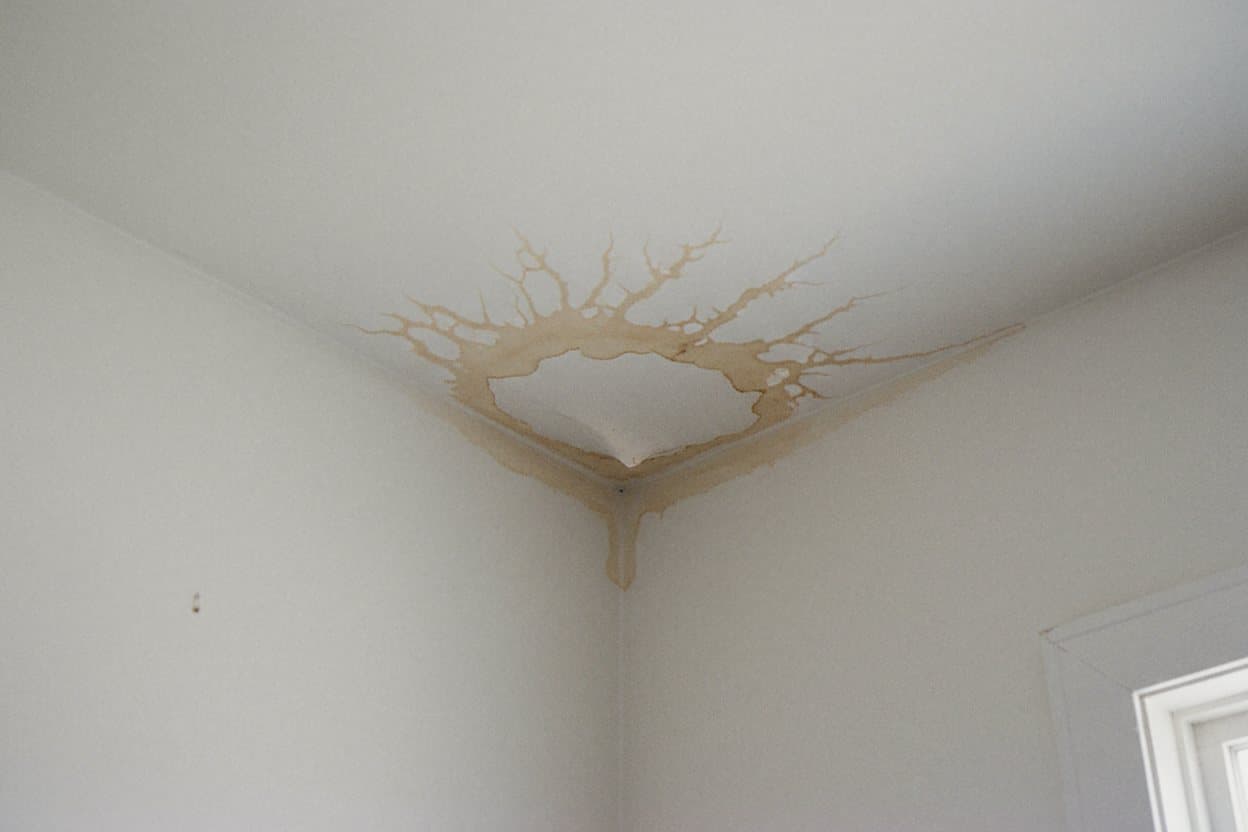
Hidden water stain on ceiling
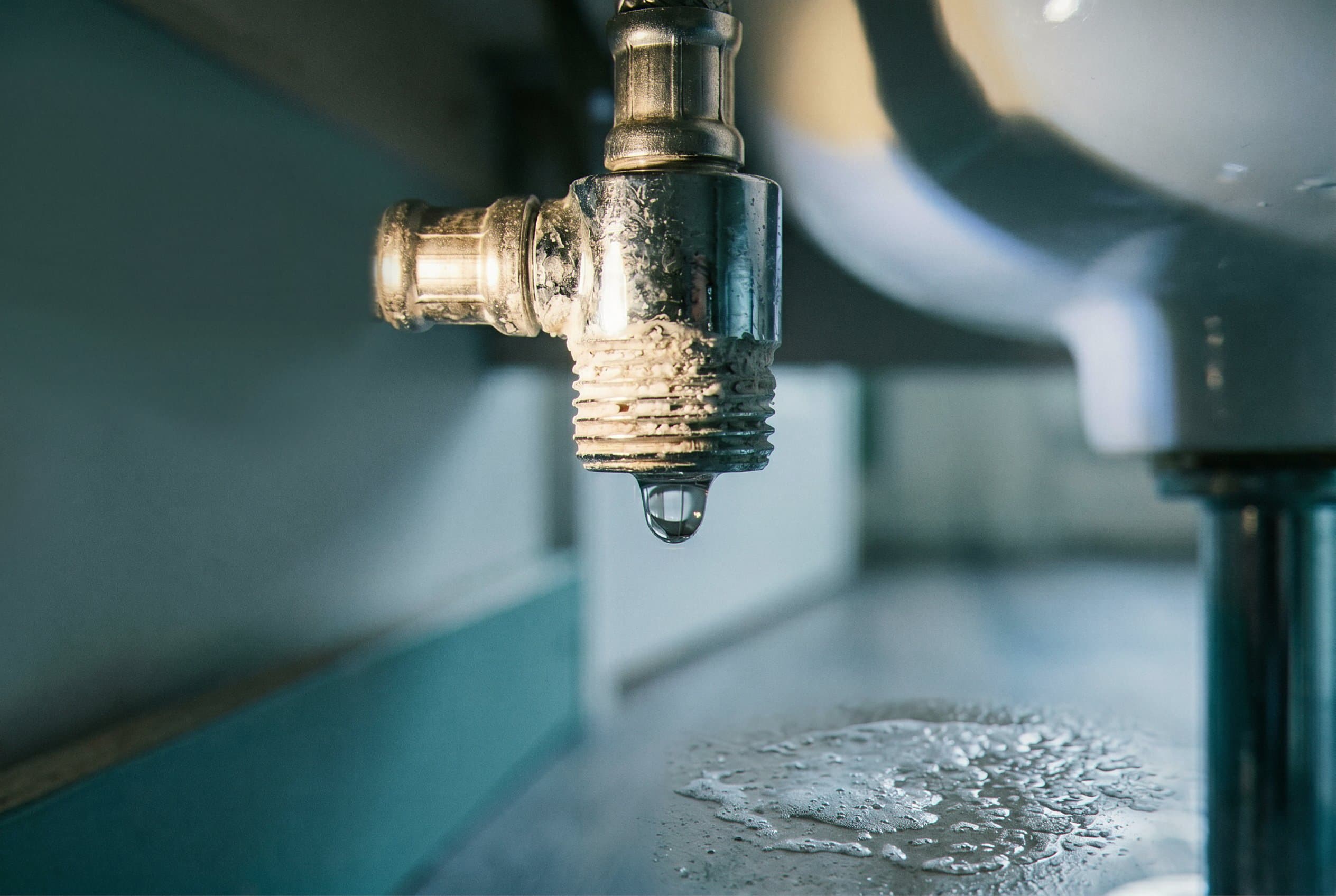
Moisture detection closeup
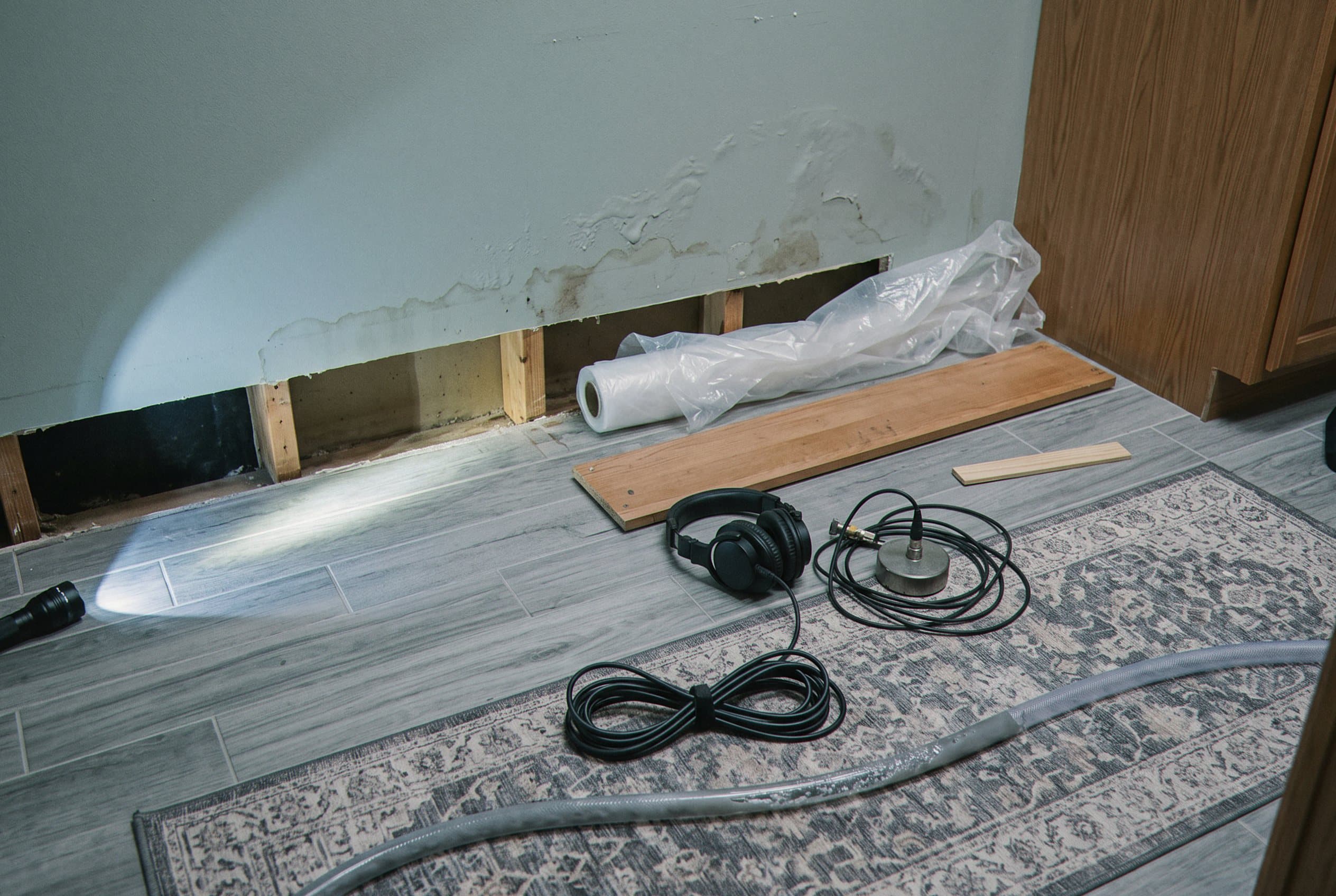
Thermal camera and detection tools
What we do

How we track down a hidden leak in your home

Most leaks we find in Springfield stay quiet. The water hides behind drywall, under the slab, or up in a ceiling, and the first clue is often a damp smell, a warm spot on the floor, or a water bill that jumped for no reason you can name. By the time a brown ring shows up on the ceiling, the leak has run for days or even weeks. We come out and listen to what you have noticed, then trace the problem back to its source before it soaks more of your home. Many homes around Hampden County still have old copper and steel pipe, and that aging pipe is just where these slow leaks like to start. We have chased them through finished basements, kitchen islands, and upstairs baths. The spot yours is hiding in is rarely a surprise to us.

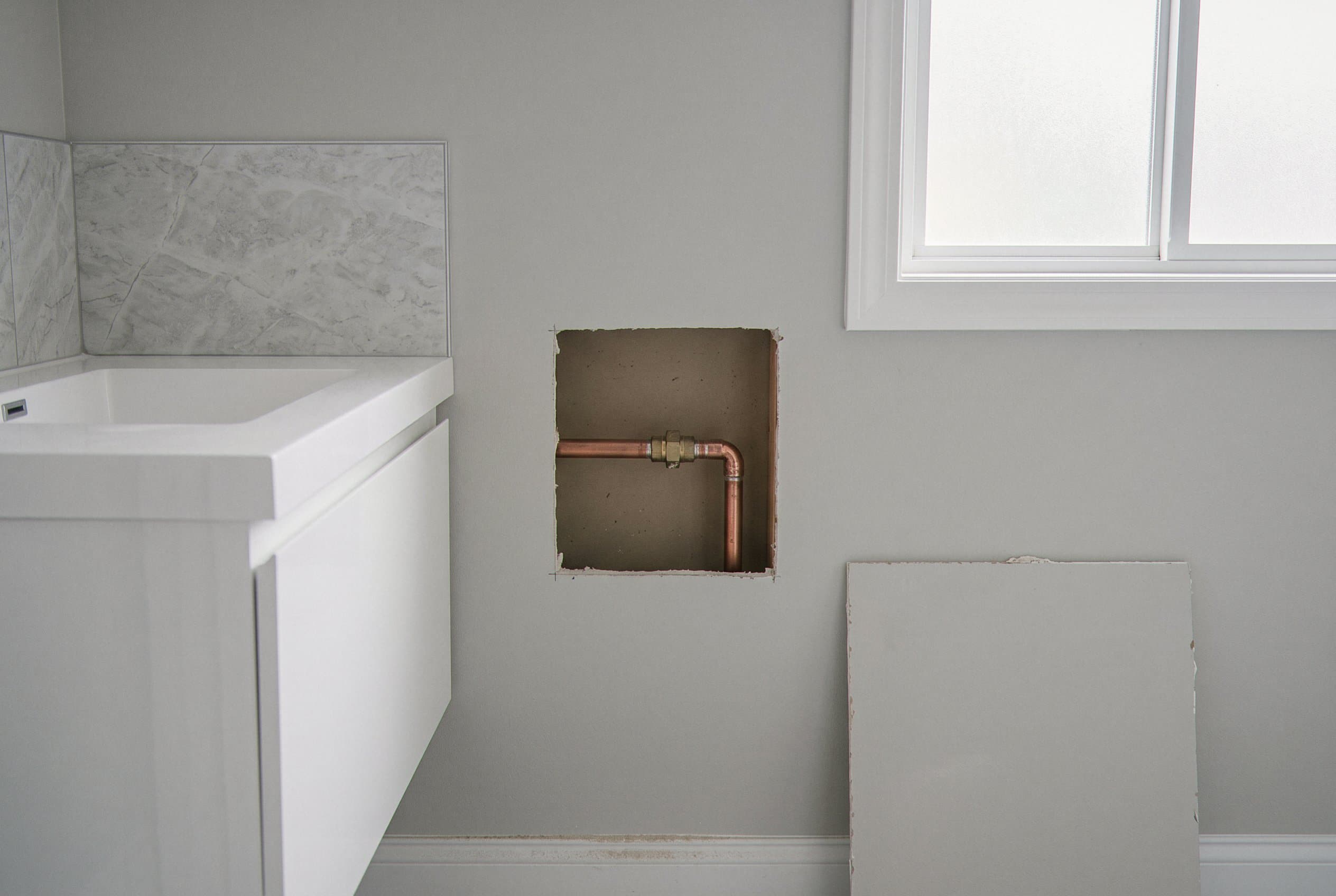
Our crew uses tools that hear and see water where your eyes cannot. An acoustic sensor picks up the faint hiss of a line that leaks behind a wall, and it works under a slab too. A thermal camera reads the cool shadow that moving water leaves on a surface, which lets us map the wet area without lifting a single tile. A moisture meter then shows how deep the dampness runs in the framing and the floor. We start with the gentlest method and open a wall only once we are sure of the spot, so you are not left with a row of holes and no answer. When we point to the leak, we show you the reading that proves it, then we explain what it means in plain words.

  • We pinpoint the leak before any wall opens, which keeps the repair small instead of a long guessing game across your house.
  • Sound gear, thermal imaging, and moisture meters let us read inside the wall. We find the source, not just the stain you can see.
  • We know the weak spots in older Springfield homes. Tired supply lines, worn water heaters, slab plumbing, and the joints under your sinks.
  • You get a clear read on where the water comes from and what it takes to stop it, said in plain words, with no pressure to decide today.
  • We answer the phone and get you on the schedule fast, because a leak you can already hear is a leak that keeps costing you money.
We do not break open a wall and hope. We find the leak first, then prove it to you with a reading you can see.

Catching a leak early is the difference between drying one small patch and gutting a whole room. Water that runs unseen will rot the wood framing, swell your subfloor, and feed mold inside the wall in just a few days. The longer it sits, the more of your home it reaches, and the repair only grows from there. Once we find the source, we can move straight into drying and fixing, or hand you a clear report to pass along to your plumber. Either way, you stop guessing and start fixing. We serve Springfield and the nearby towns of Chicopee, Holyoke, West Springfield, and Agawam, and we treat every home the careful way we would want our own handled.

If your floor feels damp, if the meter keeps moving with every tap shut, or if you smell something musty you cannot place, call us. We will find the leak. Then we tell you straight what is going on, so you can stop the water before it takes a whole room.
Materials

The gear we bring on a leak hunt

A leak hunt is mostly listening. Our crew starts with acoustic gear. Those are small, very sensitive microphones. They pick up the hiss a water line makes when it pushes through a tiny hole. That sound carries a long way through pipe and through concrete. We press a ground probe to the floor, move it a few feet at a time, and watch the signal climb as we get close. On a quiet Springfield street we can often walk a whole supply run this way in about an hour. Older homes fight back a little. Plaster walls, layers of old flooring, and mixed runs of copper and steel all bend the sound. So we take a reading from more than one side before we mark a spot. When the hiss is faint, we shut the fixtures down, let the house go quiet, and listen again at night.

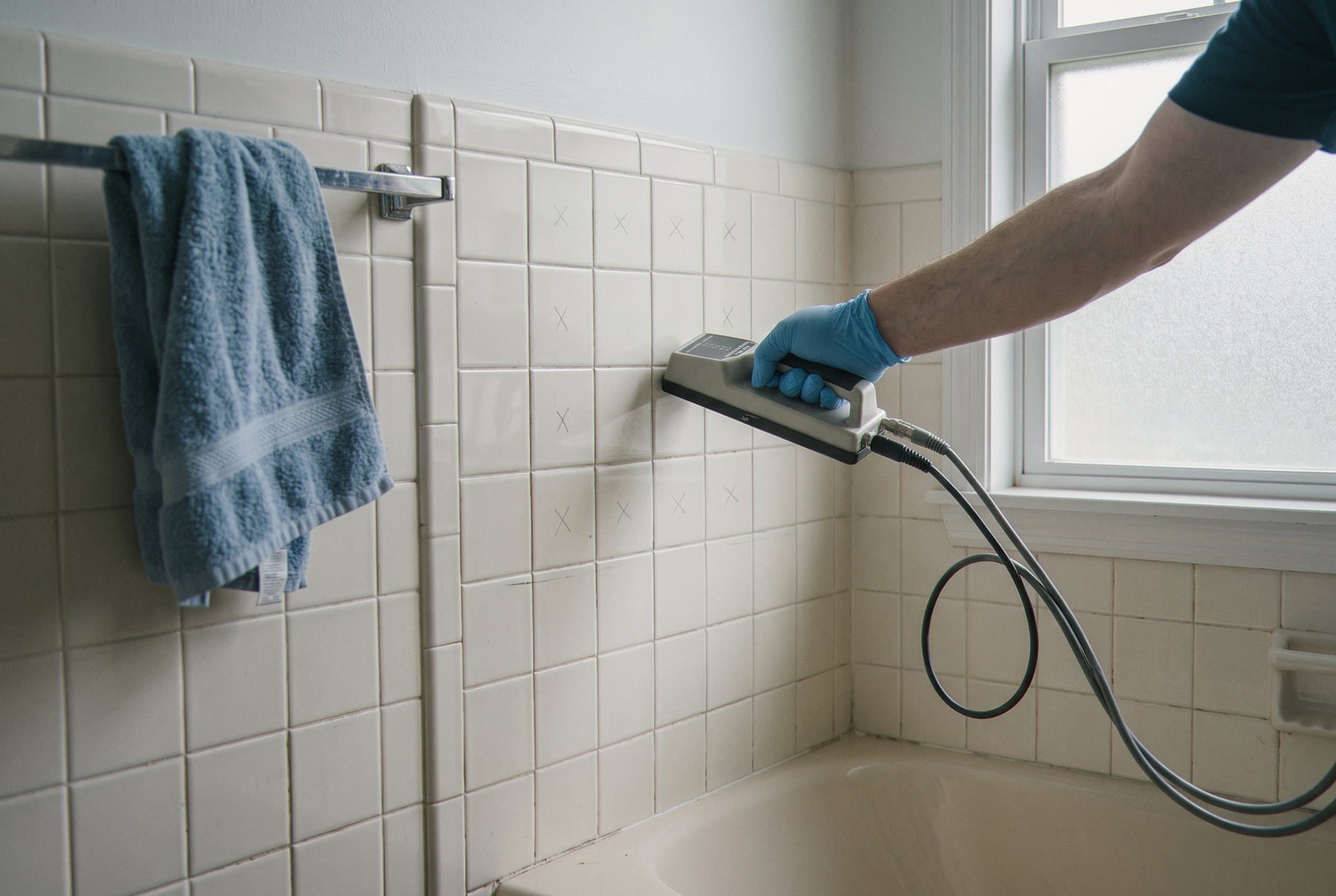
Sound alone does not crack every job, so we bring other ways to see. A thermal camera reads how warm or cool a surface is. Water on the move leaves a shadow on that screen. The shadow tells us where to point the moisture meter, which shows how deep the damp runs in drywall, wood, and subfloor. If a wall stays a question mark, we drill a small port and slide a scope inside. Then we look at the space instead of guessing at it. We can also close off one run of pipe, put it under pressure, and watch the gauge. A gauge that drops with every tap shut says the loss sits in that run. Drain lines hold no pressure at all. For those we may send a harmless trace gas through the pipe and follow it up to the break. Dye tablets in a toilet tank settle the easiest question of all. Color in the bowl means the tank has been feeding it for months.

  • Acoustic listening gear and a ground probe for slab and wall runs
  • Thermal imaging that maps the wet area before a single surface opens
  • Moisture meters that show how deep the damp reaches into framing
  • Pressure tests, scope ports, and trace gas for the stubborn ones
Leak detection underway
Leak located and marked
What about the alternatives?

Ways to find a hidden leak, compared

A damp floor sends most people straight to a search box, and the advice out there runs from useful to expensive. Here is a straight read on each path, so you can pick one and move.

Have our crew locate it first

We hunt the leak with acoustic gear, thermal imaging, and moisture readings, then mark the exact spot before anyone cuts anything. The repair stays small, and you know what you are paying a plumber to fix.

Recommended

Call a plumber before anything else

You will need a plumber for the repair, and a few carry locating gear of their own. Many do not. If yours starts opening walls to look, the search alone can run past the cost of the fix.

Acceptable

Read your own water meter

Shut every tap, then watch the dial for an hour. Movement proves water is escaping somewhere on the supply side, which is worth knowing. It will never tell you which room or which wall.

Acceptable

Drop dye tablets in the toilet tank

A cheap first check worth doing before you call anybody. Color creeping into the bowl means a worn flapper is your leak. If nothing shows, the water is going somewhere else and the hunt starts again.

Acceptable

Open the drywall under the stain

Water rides along framing and pipe before it ever drips, so the wet ceiling spot often sits well away from the break. Cut there and you have a hole, a mess, and the same leak.

Skip

Wait and see whether it gets worse

It gets worse. A slow leak feeds mold inside the cavity in about two days, swells the subfloor under your feet, and turns a simple repair into a room you have to rebuild.

Skip
How it goes

From quote to walk-on, fast.

01

Your inquiry

Call or send the short form with what is going on at your place. A sentence or two is plenty for the first step.

02

We talk it through

We go over the situation on the phone, ask the questions that matter, and tell you what we would do next.

03

A clear plan

You get a plain-language rundown of the work, the order it happens in, and what to expect on the day.

04

The work gets done

Our crew shows up when we said, does the job, and walks you through the result before leaving.

Before you book

What Springfield homeowners ask us about leak detection

These come up on nearly every call. Plain answers, with nothing dressed up.

Do you have to break open my wall to find it?
Usually not. We work from the outside in, and the listening gear, the camera, and the moisture meter handle most of the job without touching a finished surface. When a wall does have to open, we open one small spot at the mark we can prove, not a row of holes across a room. You will see the reading that sent us there.
Can you find a leak under a concrete slab?
Yes. Slab work is the reason acoustic locating exists. The probe hears water escaping through the concrete, and thermal imaging picks up the warm path a hot line leaves in the floor above it. Plenty of ranch homes and back additions around Hampden County sit on slabs, and we run those calls all the time. We narrow it down to a small patch before any concrete gets touched.
How long does the visit take?
Most homes take one to three hours. A small place with an obvious problem goes faster, and a large house with several baths and a long run of pipe takes longer. If the leak only shows itself when a certain fixture runs, we may ask you to use the house the way you normally would while we watch the readings. We tell you where we stand as we go.
My bill jumped but I see nothing wet. Is that a leak?
Often it is. A supply line under a slab or inside a wall can put out a lot of water before any of it reaches a surface you can see. Shut everything off in the house and look at your meter. If the dial still creeps, something is running, and that is worth a call now rather than after the ceiling stains.
Do you fix the leak once you find it?
We handle the water side of it, which means drying the structure, pulling out material that cannot be saved, and putting the room back together afterward. The pipe repair itself belongs to a plumber. We hand over the location, the photos, and the moisture readings, so whoever makes the repair walks in knowing exactly where to open the wall.
What if you look and there is no leak at all?
That happens, and it is good news when it does. Sometimes the damp comes from condensation on a cold line, a roof that drips down a chimney chase, or groundwater pushing through a basement wall after a wet spring in the valley. We tell you what we actually found. We are not going to invent a leak to make the trip feel worth it.
Aftercare

Catching the next leak early

Nothing on this list is hard, and none of it costs you a Saturday. Plumbing around here takes a beating from long winters and from decades of steady use, and the failures rarely show up without some kind of warning first. A little attention a few times a year is how you catch that warning. The homes we see get hurt worst are almost always the ones where nobody walked the basement between the first hard freeze and spring.

  • Read your water meter once a month with every tap and appliance off, then look again an hour later. If the dial moved, water is going somewhere it should not.
  • Walk the basement and the crawl space with a flashlight after the first hard freeze, looking for green crust on copper, rust streaks, and damp along the sills.
  • Trade the rubber supply hoses behind your washing machine for braided steel lines, because a hose that lets go can dump gallons a minute onto the floor.
  • Look under every sink twice a year. Feel the shutoff valves and the trap for damp, and press on the cabinet floor to find any soft or stained patch.
  • Keep an eye on the water heater. Rust around the base, a puddle in the drip pan, or a tank past about a dozen years old all say a failure is on the way.
  • During a cold snap, leave the heat on in rooms you rarely use and open the cabinet doors under sinks on outside walls so warm air can reach the pipes.
Hidden water stain on ceiling
FAQ

Common questions about water leak detection in Springfield

How fast can you get to my Springfield home?
Our crew handles water damage restoration across Springfield, so most calls put us at your door within a couple of hours. If you are out toward Chicopee, West Springfield, or Agawam, the drive is short too. Storm nights get busy. When they do, we tell you a real window instead of a vague promise, and we keep you posted if it moves.
What should I do before your crew arrives?
Shut the water off at the main valve if the leak is still running. Kill the power to any room with standing water, then move rugs, shoes, and small furniture out of the wet zone. Take photos before you move much, since your insurance adjuster will want them. Skip the shop vacuum and let our gear handle the volume.
Do you work with my insurance company?
Yes. We log moisture readings, photos, and daily drying records the way adjusters expect to see them, then send that file straight to your carrier. You still own the claim and the choice of who does the work. We are glad to walk the scope through with your adjuster by phone, because the paperwork is usually the slow part of a Springfield claim.
How long does drying take?
Drying is the slow half of water damage restoration. Most homes come dry in three to five days once the water is out and the air movers are running. Wet plaster, hardwood, and the old fieldstone basements common around Hampden County can stretch that. We take meter readings every day, so the gear comes out when the structure is truly dry and not when the calendar says so.
Will there be mold after water damage?
It can, and speed is what decides it. Mold starts working within a day or two when wet material stays wet, so the faster the drying begins, the less chance it has. If growth has already taken hold, we seal off the area and clean it out following EPA guidance. Either way we tell you plainly which of the two you are looking at.
Ready when you are

Let's make your next steps easier

Tell us what is going on at your Springfield home and we will walk you through the options. One call or one short form is all it takes.

Call (413) 288-6041Make your inquiry
CallContact us