Water Damage Repair & Reconstruction · Springfield

Water Damage Repair and Reconstruction in Springfield, MA

After the water is gone and the structure is dry, your home still needs repair. We rebuild it in full, from new drywall and flooring to fresh trim and paint. When we finish, your Springfield home looks like the damage never came.

Free Quote

Free Water Damage Repair & Reconstruction quote.

We reply within 1 business hour. No spam, ever.

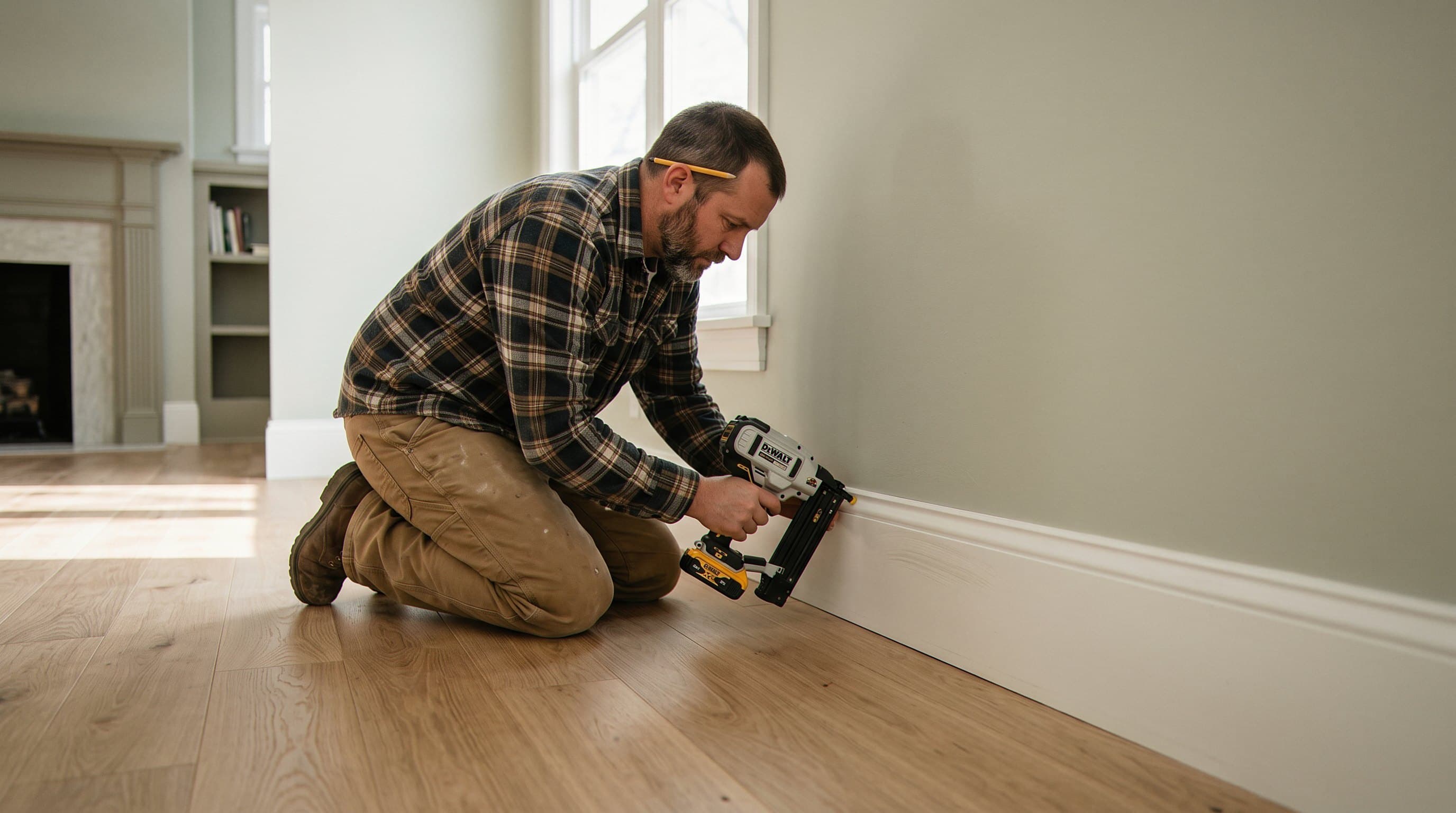
Technician repairing water-damaged wall
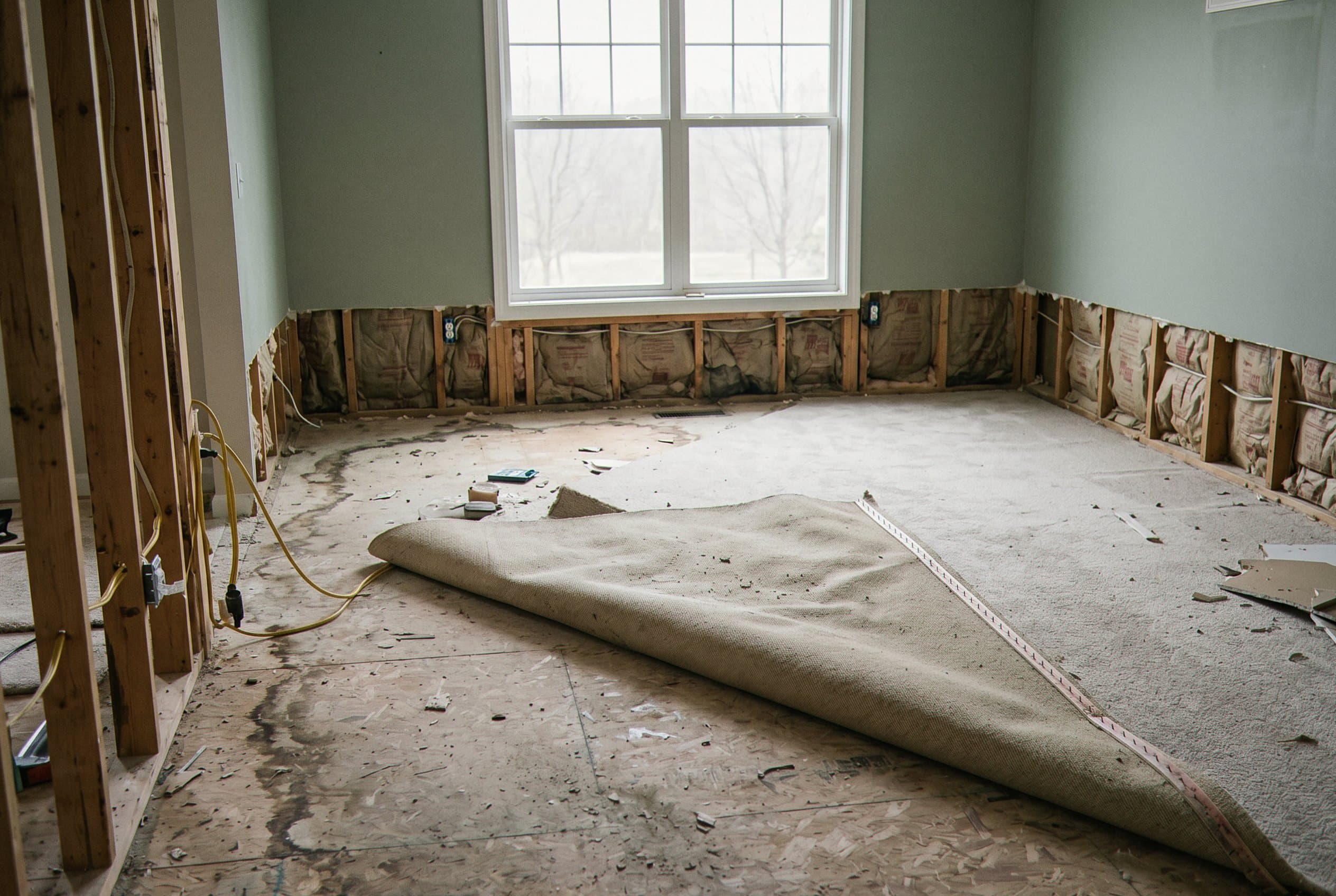
Water-damaged drywall ready for replacement
Damaged framing and insulation
What we do

How we rebuild your Springfield home after water damage

Drying out a home is only half the job. Once the water is gone and the framing reads dry, you are left with what the water ruined. Swollen baseboards. Stained ceilings, warped floors, and drywall that crumbles at the touch. Most people forget about this part until they are standing in a gutted room with no idea who is going to put it back. We handle it. Our crew rebuilds your Springfield home from the studs back out to a finished space you can live in again, and we replace the drywall we cut away, lay new flooring, set fresh trim, and paint the walls to match. Water often hits more than one room at a time, since it runs downhill and spreads through shared walls. We track every spot it touched, so the repair covers the whole loss and not just the obvious part.

We keep the cleanup, the drying, and the rebuild under one roof. That matters more than it sounds. When the same crew that dried your home also rebuilds it, nothing falls through the gap between two companies. We know exactly what got torn out and why, so the new work goes back in clean. We match the look of what was there before, from the trim profile to the floor type, so the repaired room blends with the rest of the house. For bigger jobs, we sequence the work in order. Framing repairs first, then insulation and drywall, then flooring, trim, and a final coat of paint. We keep you in the loop at every step. You always know what is happening and what comes next.

  • One crew handles your full rebuild. You never have to chase down a second contractor after we dry your home, because the drywall, the new flooring, the trim, and the paint all come from the same people who pulled the water out in the first place.
  • We put back what we took out. The drywall, insulation, and baseboards we removed during cleanup go back in, finished to match the rest of your Springfield home.
  • We lay new flooring where the water ruined it, and we walk you through the options, whether that means hardwood, laminate, tile, or carpet, picked to fit the room and how hard it gets used day to day.
  • We track every room and wall the water reached. The repair covers the whole loss, not just the spots that are easy to see.
  • We log it all. Clear photos and notes on the damage and the repair give your insurance claim the proof it needs to move.
A good rebuild is one you forget ever happened. That is the bar we hold our work to on every Springfield job.

Water damage hides in places you cannot see from the doorway. It wicks up inside wall cavities, soaks the subfloor under finished flooring, and creeps into the framing where two rooms share a wall. Skip those spots in a rebuild and the trouble comes right back. Paint bubbles. Floors cup, and a musty smell settles into the room a few weeks later when you thought the worst was behind you. We open up what we have to, dry it fully, and only then close it back in. When a hardwood floor has buckled, we check whether it can be sanded flat and refinished or whether the boards have to come out for good. We give you the straight answer either way. Our goal is a home that looks and feels like the loss never happened.

If water has torn up part of your Springfield home, you do not have to live with the mess or juggle a list of contractors to fix it. Call us. We will look at what the water ruined, walk you through the rebuild, and put your home back together from the studs out. One crew, start to finish, until the room is whole again.
Materials

What goes back into your home on a rebuild

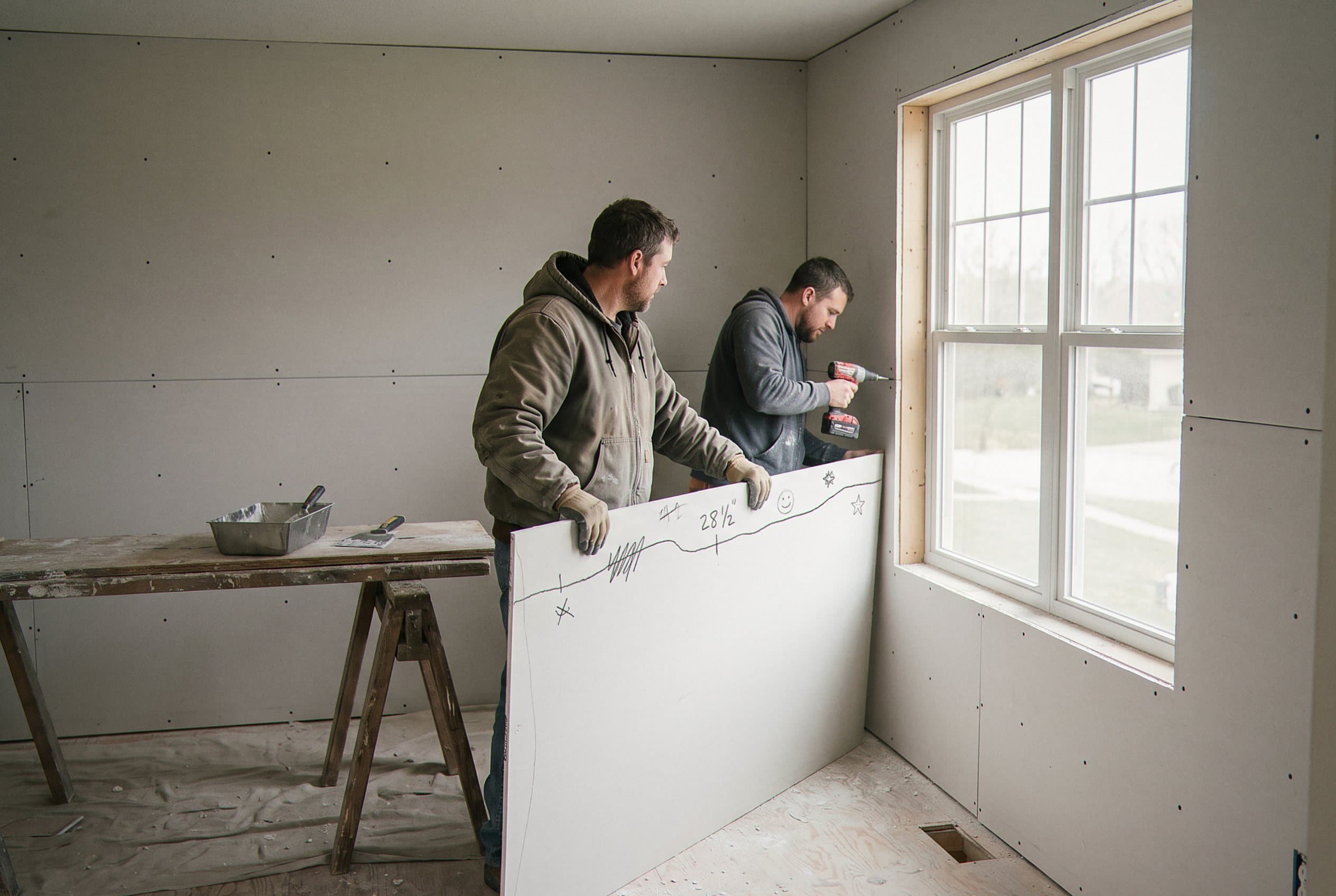
The rebuild starts with a meter, not a saw. Before new material goes on a wall we read the framing and the subfloor one more time. Fresh drywall against damp lumber is how a job comes back to haunt everybody. The IICRC standard we work to calls drying done when the wet material matches the dry material elsewhere in the house. That is the number we look for. Once the readings hold, the tools are plain carpentry gear. Saws for clean seams, a laser for level, screw guns, taping knives, and a sander with a vacuum on it so the dust stays out of your other rooms. We cut drywall back to the nearest stud instead of patching a ragged hole. A seam that lands on solid framing is the one that will not show through the paint two winters from now. Older homes here add a wrinkle. Plaster over lath, odd stud spacing, and trim nobody stocks anymore all turn up in this part of the valley. We plan the repair around what your house really is.

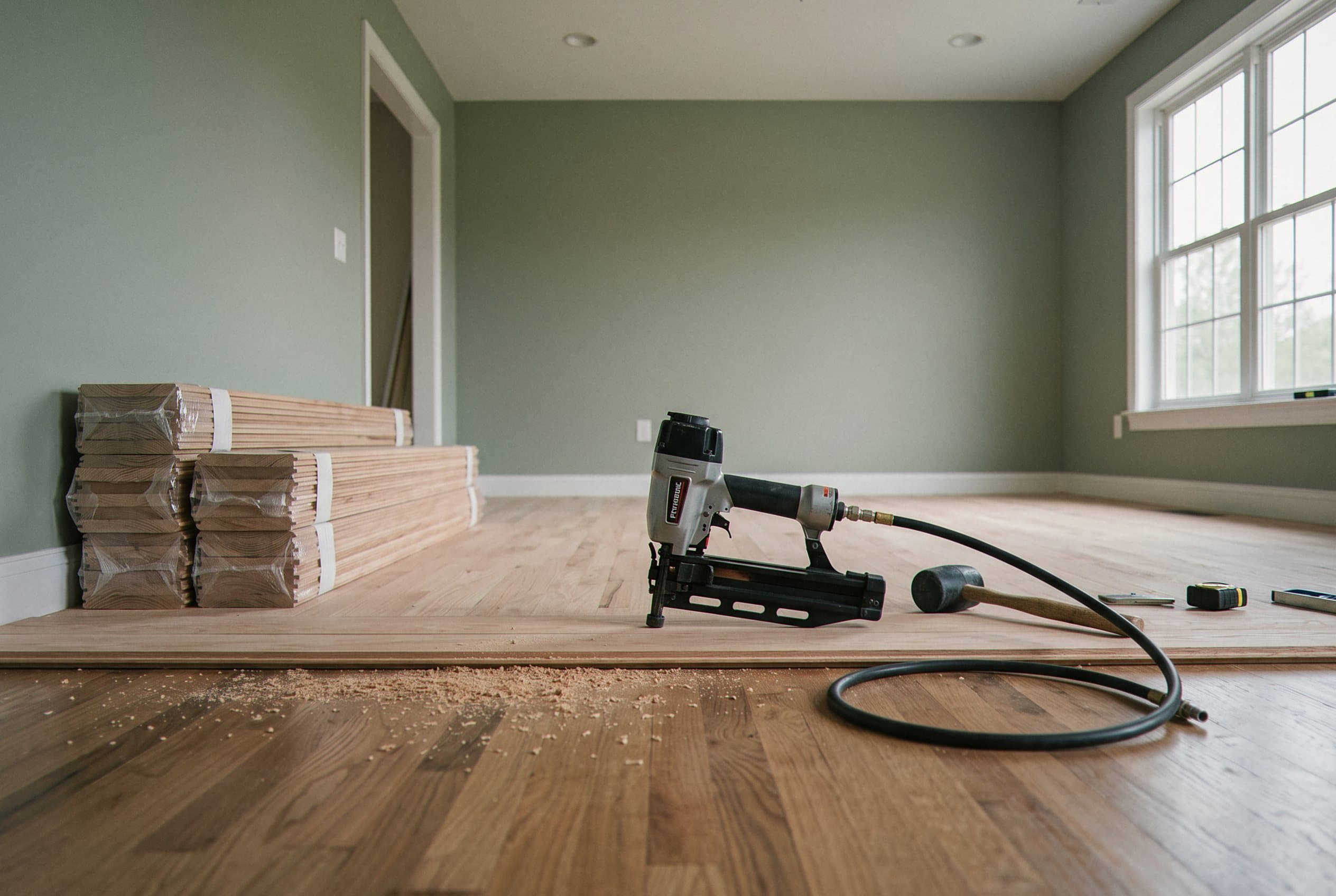
What goes back in depends on the room and how much water it may see again. In a basement or a low room near grade, we lean toward stuff that shrugs off damp. Rigid foam board in place of paper faced batt, moisture resistant board on the lower walls, and a floor that can be lifted and dried instead of one that turns to pulp. Upstairs, where the loss came from a supply line or a tub that ran over, we match what was there. Solid hardwood can often be sanded flat and refinished once the boards give up their water, and we will tell you when that is worth a try and when the cupping has gone too far. Engineered plank and laminate are a different story. The core swells and never comes back. Tile usually lives. What fails under tile is the bed or the subfloor below it, so we check there first. Trim and baseboard get replaced in kind. When a profile is out of production we have it milled to match, rather than switch your whole room over to something close. Paint goes on over a stain blocking primer so old water marks never bleed back through.

  • Moisture readings taken again before a single sheet of new drywall goes up.
  • Drywall cut back to solid framing so every seam lands where it will hold.
  • Damp tolerant material below grade, matched material in the finished rooms above.
  • Stain blocking primer under the finish coat so old water marks stay buried.
Repair and reconstruction tools
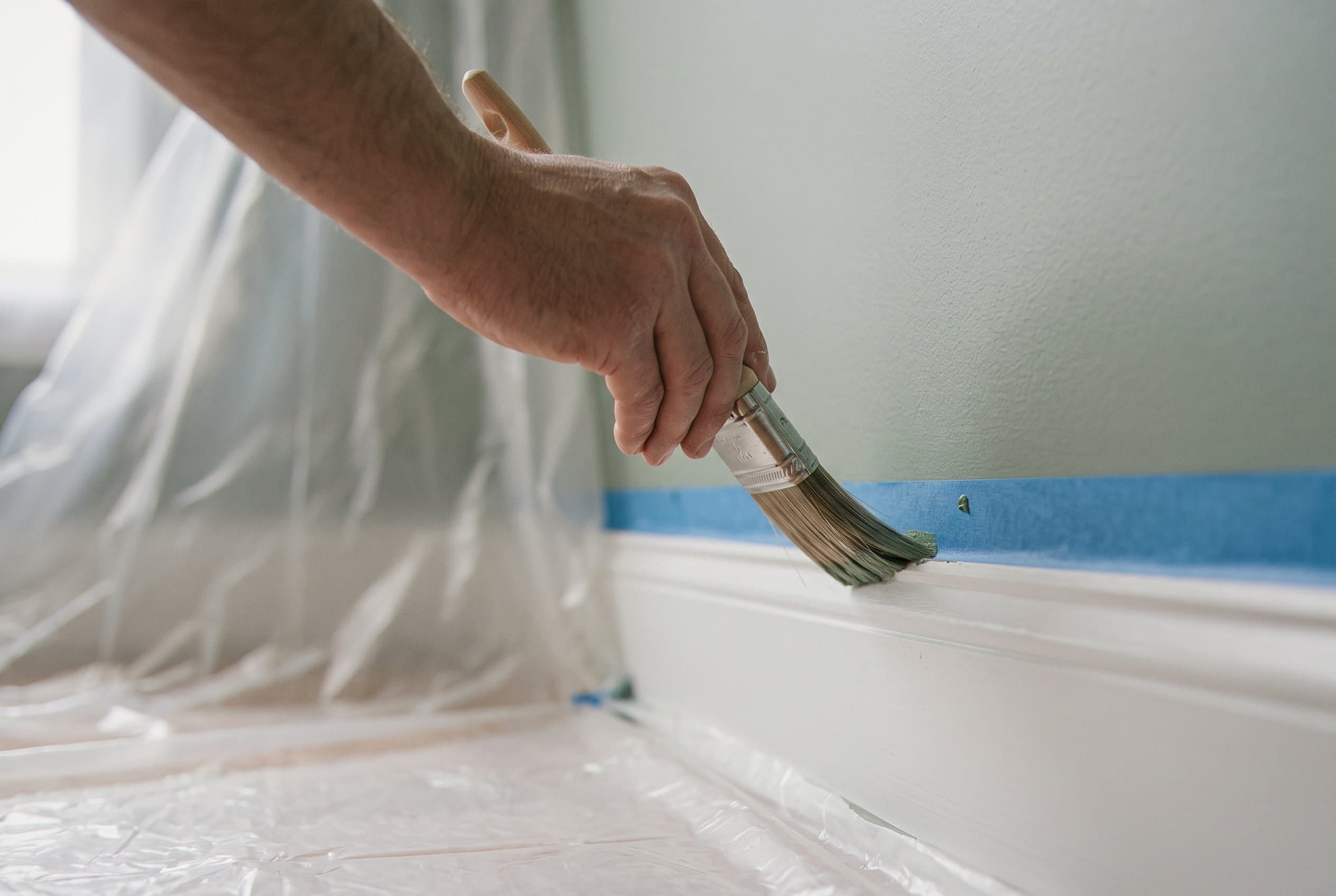
Reconstruction process in progress
What about the alternatives?

Your options for putting the house back together

Once the drying is finished you have a few real choices about the rebuild, and the right one depends on the size of the loss and how much of it you want to take on yourself. Here is how each path tends to go in a Springfield home.

Let the crew that dried it handle the rebuild

We already know which walls we opened, how far the water traveled, and what the meters read on the last day. All of that goes straight into the repair. Nothing gets lost in a handoff, nobody argues over who owns a problem, and you make one phone call instead of managing two schedules that never quite line up.

Recommended

Bring in a separate contractor for the repair phase

Plenty of people go this way and it can work out fine, especially on a large loss where you already have someone you trust. The cost is time. Whoever picks it up has to relearn the damage from photos and notes, and the gap between the drying finishing and the rebuild starting is where these projects tend to stall for weeks.

Acceptable

We do the structure, you finish the cosmetics

If you are handy and the loss is small, this is a fair split. We take the framing repairs, the drywall, and the floor, then you take the caulk, the trim paint, and the touch ups on your own weekend. Be honest about your free time though, because a room sitting at ninety percent done has a way of staying there.

Acceptable

Wait for the adjuster before any repair work begins

Reasonable when a claim is in play and you want the damage recorded before it disappears behind new drywall. We photograph everything and log readings daily for exactly that reason. Just keep the wait short. An open wall cavity through a Springfield winter is lost heat and a freeze risk on any pipe running inside it.

Acceptable

Paint over the stained ceiling and call it finished

It looks solved for about a season. A brown ring on a ceiling means the paper facing on that board took water and lost its bond, so the surface keeps softening under the fresh coat. The stain works its way back through, the seam cracks open, and now you are paying for that paint twice.

Skip

Lay new flooring over a subfloor that never dried

This is the one we get called back to fix most often. The plywood underneath still holds water, and once you seal it under vinyl or laminate that water has nowhere to go. Cupping, a musty smell, and growth in the seams show up within a couple of months, and then the new floor comes right back out.

Skip
How it goes

From quote to walk-on, fast.

01

Your inquiry

Call or send the short form with what is going on at your place. A sentence or two is plenty for the first step.

02

We talk it through

We go over the situation on the phone, ask the questions that matter, and tell you what we would do next.

03

A clear plan

You get a plain-language rundown of the work, the order it happens in, and what to expect on the day.

04

The work gets done

Our crew shows up when we said, does the job, and walks you through the result before leaving.

Before you book

Questions Springfield homeowners ask about the rebuild

These come up on almost every repair job we look at. Straight answers, no hedging.

How soon can the rebuild start after drying finishes?
Usually the day the meters say the structure is dry, as long as the materials are on hand. We order what we can while the air movers are still running so nothing waits on a delivery truck. The things that slow a start are the ones nobody controls. A trim profile that has to be milled, a flooring run that is out of stock, or an adjuster who still needs to walk the room. We tell you which of those are in play before we set a date with you.
Do I have to move out while you rebuild?
Most of the time, no. We work one area at a time, hang dust barriers across the openings, and keep a path through the house that stays clean. Where it gets harder is a kitchen with the sink pulled or the only bathroom in the home torn open. In those cases we sequence the work so the room you cannot live without comes back first, and we tell you up front which days will be rough.
Will the new work match the rest of my house?
That is the whole point of the job. We match the trim profile, the floor type, the texture on the wall, and the sheen of the paint. On an older Springfield home with plaster walls we feather the new work into the old so the transition never reads as a patch. Where a perfect match is off the table, usually a discontinued floor or an odd stain color, we lay out the honest options and let you choose.
Can you save my hardwood floor or does all of it come out?
It depends on how long the boards sat wet and how far they moved. Solid hardwood that cupped but stayed fastened down will often flatten as it dries, and then a sand and refinish brings it back to life. Boards that crowned, split along the edges, or lifted off the subfloor are finished. We give a floor time to dry and we measure before we call it, because one that looks ruined in week one can look fine by week three.
What happens to the insulation behind the wall?
It comes out anywhere it got wet. Batt insulation holds water like a sponge and stays damp long after the framing around it reads dry, so leaving it in is the fastest way to end up with growth inside a wall you just closed. We pull it back to dry material, dry the cavity, and set new insulation before the drywall goes on. In a basement we often switch to rigid board, which handles damp far better than batt ever will.
Does the repair go on the same insurance claim as the cleanup?
Normally yes. The cleanup and the repair are two phases of one loss, and adjusters expect to see both. We record the damage before we touch anything, keep daily moisture logs through the drying, and photograph the rebuild as it goes in, then hand you the whole file. What your policy pays is between you and your carrier. Our part is making sure nothing stalls because a piece of proof went missing.
Aftercare

Making the repair last through a Springfield winter

A rebuild only stays good if the water stays out. Around here, water has a lot of ways back in. Housing in Hampden County runs old, with full basements, plaster over lath, and supply lines threaded through outside walls that were never packed against a January cold snap. Pipes freeze and split here. Ice dams back meltwater up under the shingles and drop it through a bedroom ceiling, and spring runoff toward the Connecticut River lifts the water table until it finds any crack in a foundation wall. Then summer turns muggy enough that a basement will sweat on its own with no leak at all. None of that gets solved in one afternoon. A short list of habits keeps nearly all of it away from the finished work we just put back.

  • Let a slow trickle run at the fixtures on outside walls when the night turns bitter, and open the cabinet doors under those sinks so warm air can reach the pipes.
  • Walk the basement once a month with a flashlight. Look at the bottom eight inches of every finished wall, because that band shows trouble long before the middle of the room does.
  • Clear the gutters twice a year. Run the downspouts far enough out that rain lands away from the foundation, since plenty of wet basements in this city start out as a roof problem.
  • Hold the basement air near fifty percent through the muggy part of summer so the new drywall and trim never take moisture back on.
  • Rake the roof after a big storm. That keeps ice dams from building and shoving meltwater up under the shingles.
  • Swap the washer and dishwasher supply hoses on a schedule. Do not wait for one to burst, and shut the water off at the valve any week the house sits empty.
Fully reconstructed and finished room
FAQ

Water Damage Repair Questions From Springfield Homeowners

How fast can you get to my Springfield home?
Our crew handles water damage restoration across Springfield, so most calls put us at your door within a couple of hours. If you are out toward Chicopee, West Springfield, or Agawam, the drive is short too. Storm nights get busy. When they do, we tell you a real window instead of a vague promise, and we keep you posted if it moves.
What should I do before your crew arrives?
Shut the water off at the main valve if the leak is still running. Kill the power to any room with standing water, then move rugs, shoes, and small furniture out of the wet zone. Take photos before you move much, since your insurance adjuster will want them. Skip the shop vacuum and let our gear handle the volume.
Do you work with my insurance company?
Yes. We log moisture readings, photos, and daily drying records the way adjusters expect to see them, then send that file straight to your carrier. You still own the claim and the choice of who does the work. We are glad to walk the scope through with your adjuster by phone, because the paperwork is usually the slow part of a Springfield claim.
How long does drying take?
Drying is the slow half of water damage restoration. Most homes come dry in three to five days once the water is out and the air movers are running. Wet plaster, hardwood, and the old fieldstone basements common around Hampden County can stretch that. We take meter readings every day, so the gear comes out when the structure is truly dry and not when the calendar says so.
Will there be mold after water damage?
It can, and speed is what decides it. Mold starts working within a day or two when wet material stays wet, so the faster the drying begins, the less chance it has. If growth has already taken hold, we seal off the area and clean it out following EPA guidance. Either way we tell you plainly which of the two you are looking at.
Ready when you are

Let's make your next steps easier

Tell us what is going on at your Springfield home and we will walk you through the options. One call or one short form is all it takes.

Call (413) 288-6041Make your inquiry
CallContact us